United Kingdom · National Curriculum Attainment Targets
Year 3 History
Key Stage 2 History Year 3: exploring changes in Britain from the Stone Age to the Iron Age, alongside Ancient Civilisations and local history studies, aligned with UK National Curriculum attainment targets.
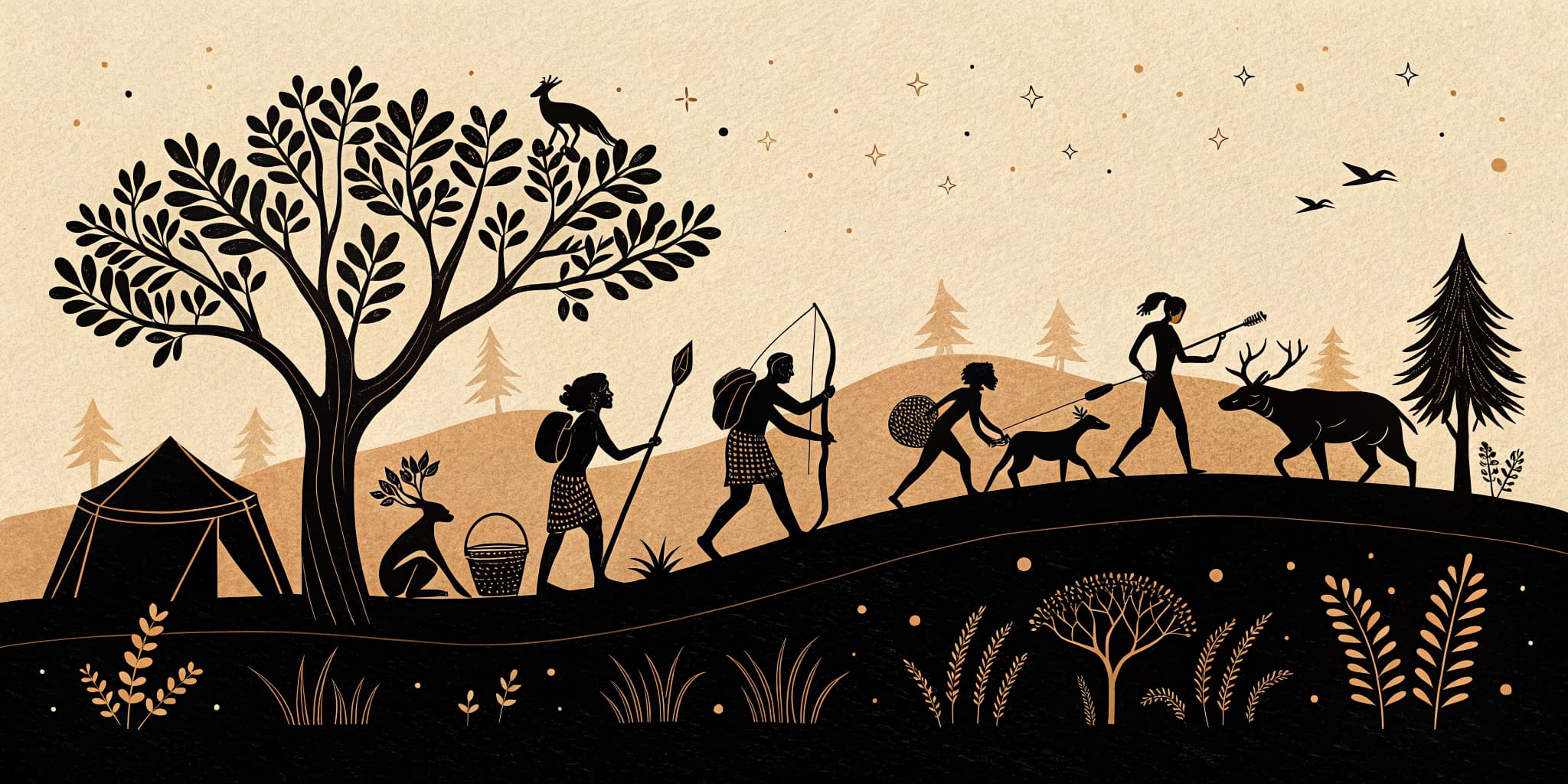
01The Stone Age: Hunters and Gatherers
Discovering how the earliest people in Britain lived as nomadic hunter-gatherers and the transition to the Mesolithic period.
Learning about the very first humans in Britain and their struggle for survival during the Ice Age, focusing on food acquisition and basic shelter.
Investigating the materials and techniques used by Stone Age people to create tools and the transformative impact of discovering and controlling fire.
Exploring how early humans expressed themselves through paintings and carvings, interpreting the messages and meanings behind their art.
Investigating the ancient land bridge that once connected Britain to Europe and how rising sea levels dramatically altered the landscape and human migration.
Examining how early humans adapted their lifestyles and technologies as the climate warmed after the Ice Age, leading to the Mesolithic period.
Examining the development of smaller, more sophisticated stone tools called microliths and their impact on hunting and daily life.
A case study of the famous Mesolithic site in Yorkshire, focusing on the archaeological finds and what they reveal about daily life and beliefs.
Investigating the routes and reasons for the first human migrations into Britain during the Palaeolithic era.
Exploring the social structures, roles, and daily interactions within small Palaeolithic hunter-gatherer groups.
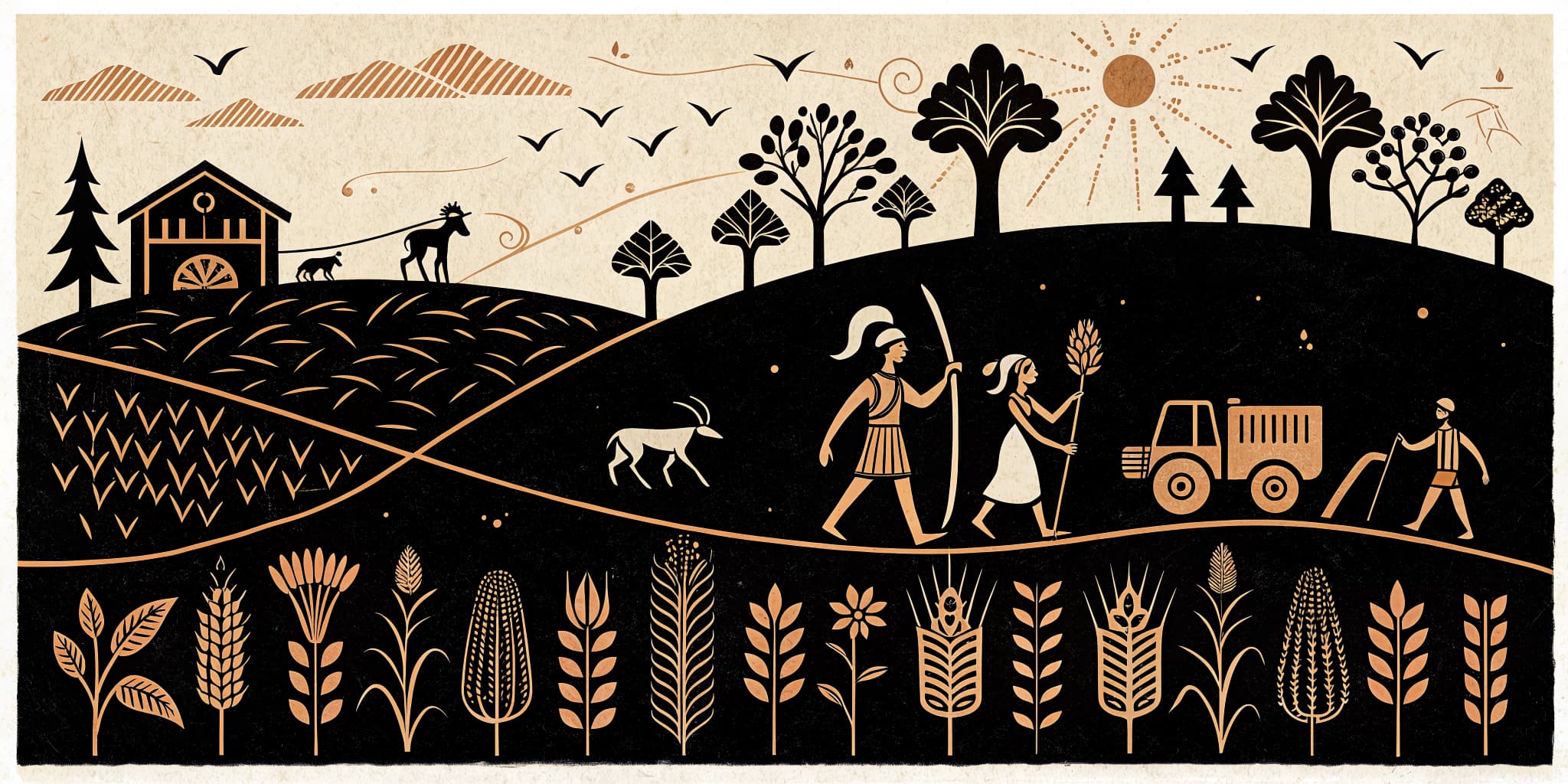
02The Neolithic Revolution: First Farmers
Understanding the massive shift from moving around to settling down and farming the land.
Exploring how people began to domesticate animals and cultivate crops like wheat and barley, marking the start of the Neolithic Revolution.
Investigating the emergence of permanent settlements and the structure of early farming villages in Neolithic Britain.
Investigating the remarkably preserved stone houses of Orkney, focusing on their unique architecture and what they reveal about Neolithic daily life.
Looking at how the need to store surplus food and cook new ingredients led to the creation of the first pottery and containers.
Analysing the engineering mystery of how and why huge stones were moved across Britain to construct monumental sites like Stonehenge.
Investigating the construction of long barrows and other burial sites, exploring Neolithic beliefs about death and the afterlife.
Examining the new types of tools developed for agriculture, such as polished axes and sickles, and their impact on efficiency.
Investigating the purpose and function of large, ditched enclosures used for communal gatherings, rituals, and trade in the Neolithic period.
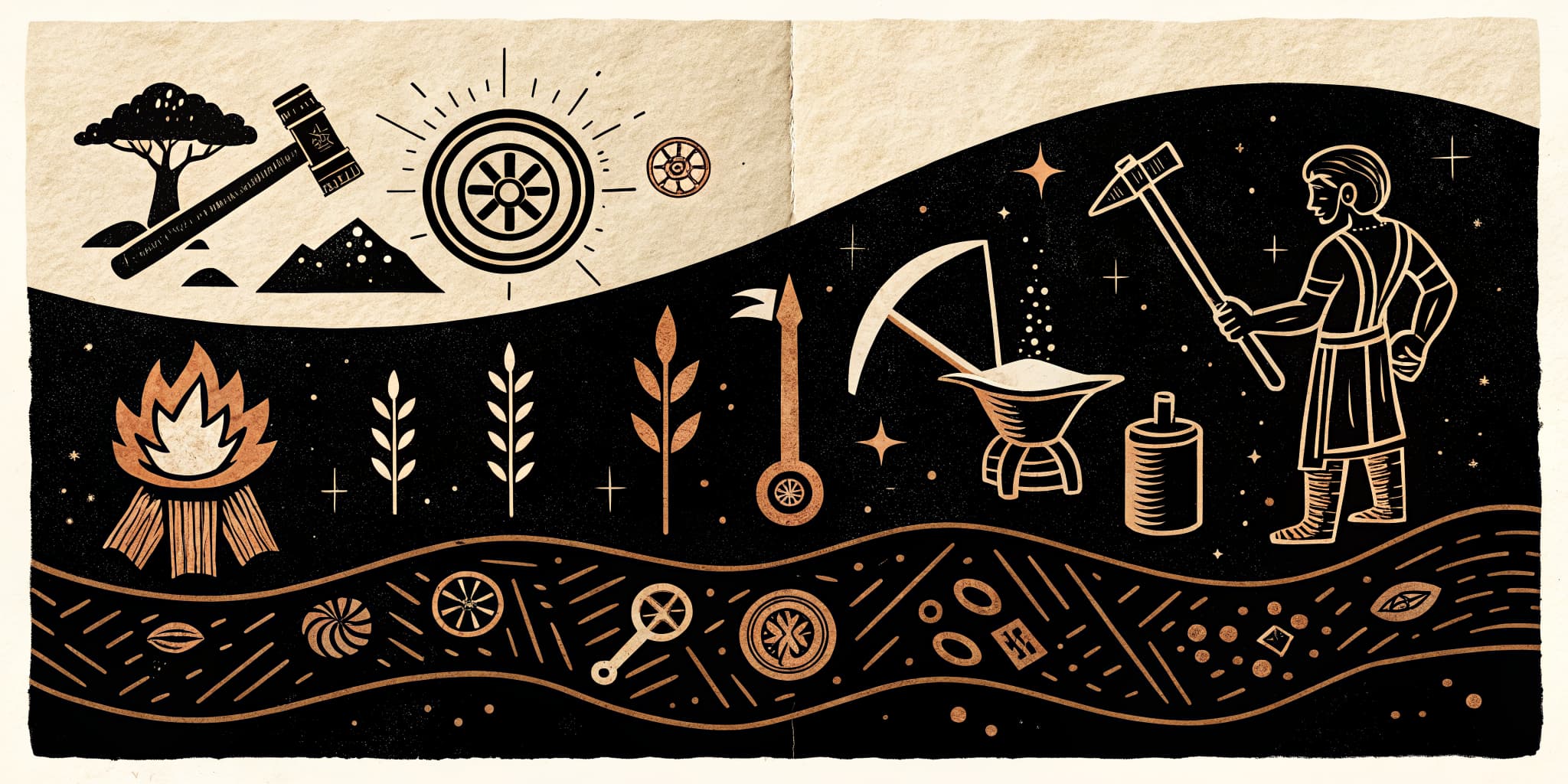
03The Bronze Age: Metal and Magic
Discovering how the discovery of copper and tin changed technology, status, and trade.
Learning about the new arrivals in Britain, their distinctive pottery, and how their culture influenced existing British societies.
Understanding the complex process of mixing copper and tin to create the much stronger alloy, bronze, and its technological implications.
Exploring the role of skilled metalworkers (smiths) in Bronze Age society and how their craft contributed to social hierarchy and power.
Exploring how the demand for tin and copper created extensive trade networks across Britain and Europe, leading to cultural exchange.
Examining the design and construction of Bronze Age roundhouses and the layout of their settlements, understanding family and community life.
Investigating why people buried valuable bronze items in bogs or rivers and built 'barrows' for the dead, exploring beliefs and rituals.
Exploring the development of bronze weapons like swords and spears, and their impact on warfare and social power.
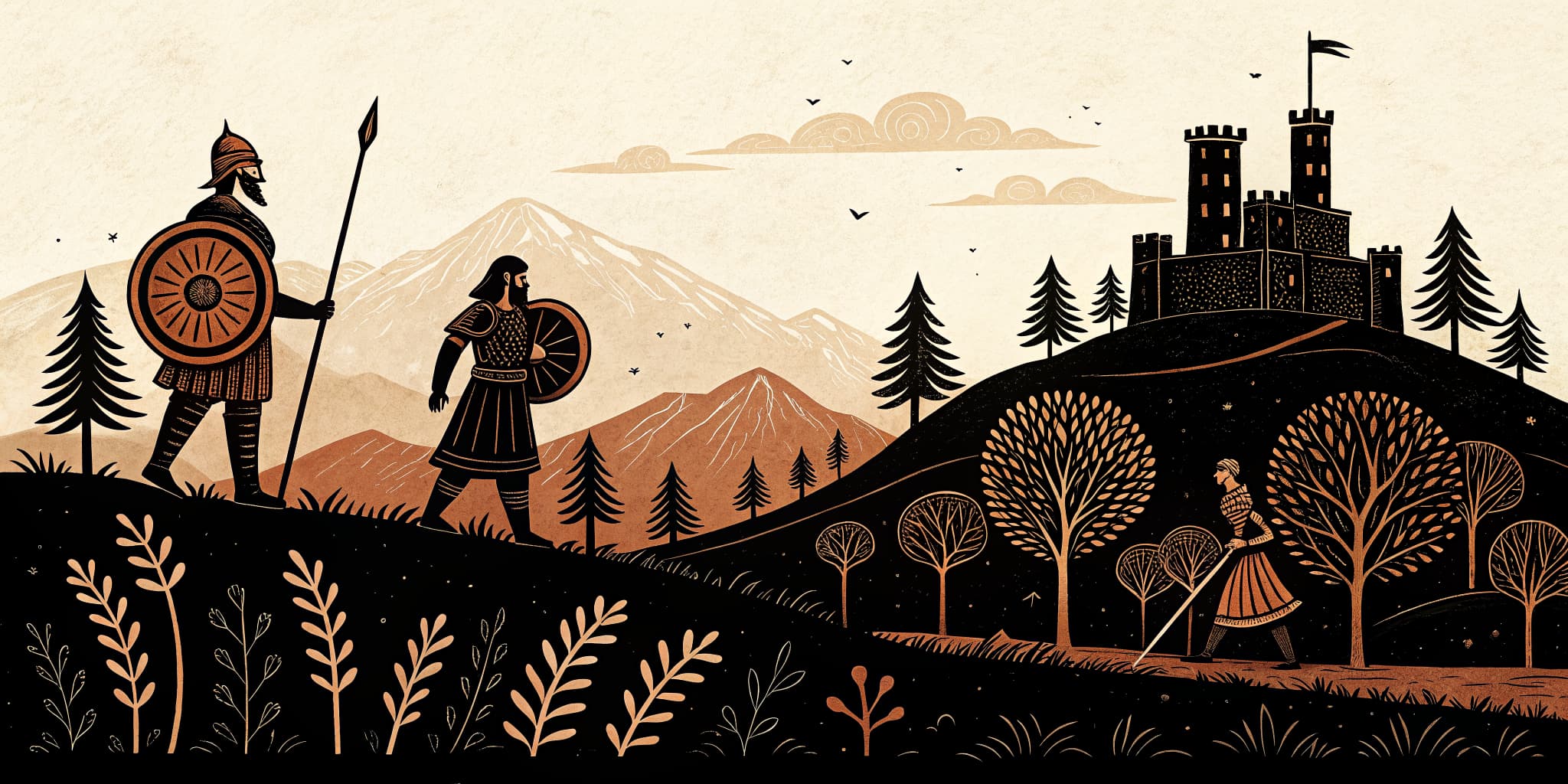
04The Iron Age: Hillforts and Warriors
Exploring the fierce tribes of Iron Age Britain and the arrival of a new, stronger metal.
Learning why iron replaced bronze as the dominant metal and how its properties changed farming, tools, and warfare.
Studying the massive earthworks like Maiden Castle and their role as fortified tribal centres, exploring their defensive and social functions.
Investigating agricultural practices in the Iron Age, including crop rotation, livestock management, and the types of food consumed.
Exploring the beautiful swirling patterns of Celtic art found on jewellery, weapons, and everyday objects, and its connection to tribal identity.
Investigating the mysterious religious leaders of the Iron Age, the Druids, and their significant role in society, law, and spiritual beliefs.
Exploring the spiritual world of Iron Age Britons, including their reverence for nature, water offerings, and the significance of bog bodies.
The end of the Iron Age and the first contacts between Britain and the Roman Empire, leading to significant cultural and political shifts.
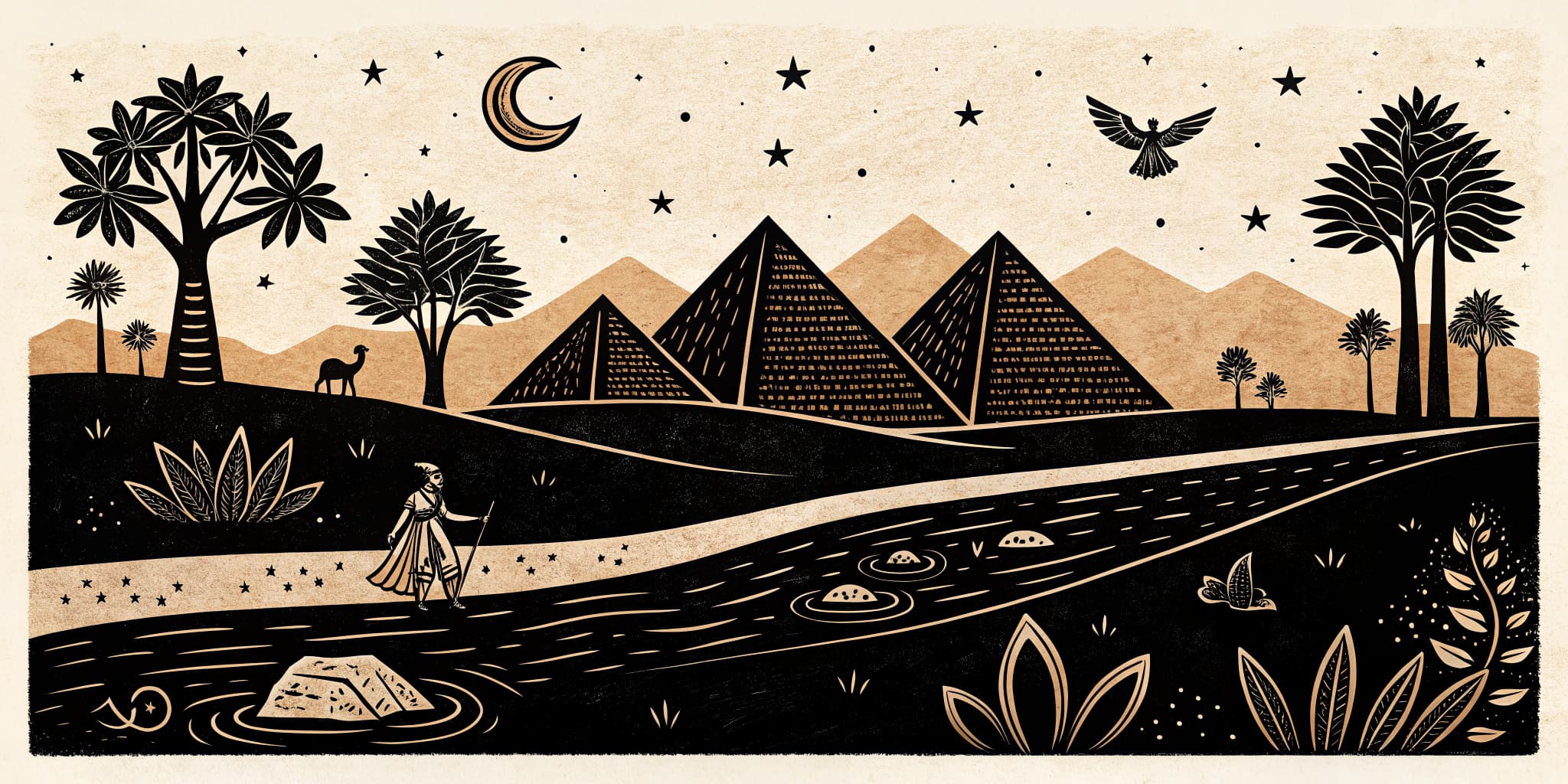
05Ancient Egypt: A River Civilisation
An overview of a non-European society that thrived at the same time as Prehistoric Britain.
Understanding how the unique geography of Egypt, particularly the Nile River, allowed a great civilisation to flourish.
Exploring the absolute power of the Egyptian rulers, the Pharaohs, and their divine status within the complex Egyptian religion.
Investigating the polytheistic religion of Ancient Egypt, focusing on key deities and their roles in daily life and the afterlife.
Learning about Egyptian beliefs in the afterlife and the elaborate process of preserving bodies through mummification.
Exploring Ancient Egyptian beliefs about the journey of the soul through the Underworld and the judgment by Osiris.
Investigating the incredible engineering and construction of the Egyptian pyramids, exploring their purpose and methods of building.
Uncovering the secret of Ancient Egyptian writing, hieroglyphs, and how the Rosetta Stone unlocked their meaning.
Exploring the everyday lives of ordinary Egyptians, including their homes, clothing, food, and leisure activities.
Investigating the distinctive styles and symbolic meanings in Ancient Egyptian art, from tomb paintings to sculptures.
Exploring the hierarchical social pyramid of Ancient Egypt, from the Pharaoh to farmers and slaves.
06Local History Study
Connecting the broad themes of British history to the specific story of the local area.
Searching for evidence of Stone, Bronze, or Iron Age activity in the local region, using maps and local museum resources.
Investigating the origins of the local town or village, exploring why people chose to settle in that specific location.
Tracing the history of a specific local building or site, observing how it has changed and what stories it holds across different eras.
A practical lesson on the methods used by historians and archaeologists to uncover the past within our own community.