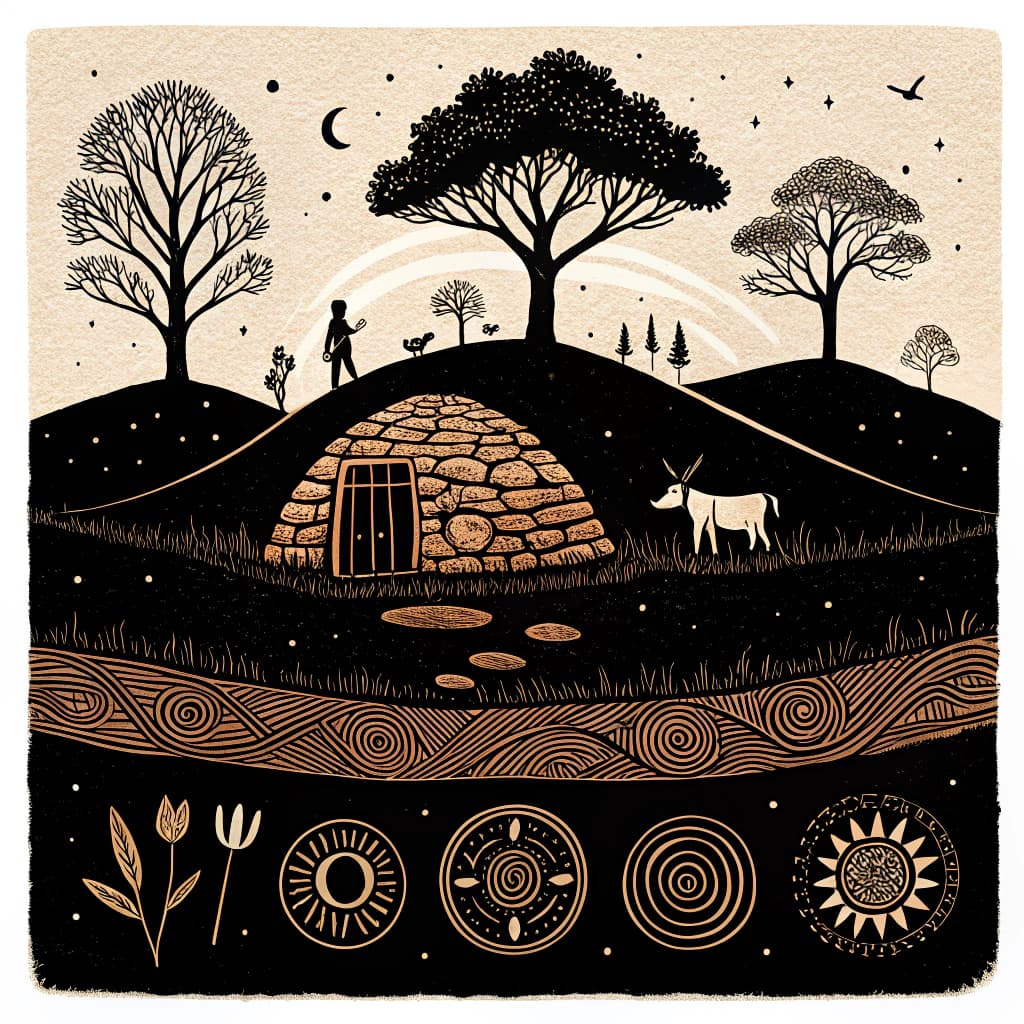
Life in an Iron Age Hillfort
Studying the massive earthworks like Maiden Castle and their role as fortified tribal centres, exploring their defensive and social functions.
TL;DR:Active learning makes the Iron Age tangible because students physically and visually engage with the scale and purpose of hillforts. When learners build walls with materials or analyze real artifacts, they move from abstract textbook ideas to concrete understanding of how communities lived and defended themselves.
About This Topic
Hillforts are the most spectacular remains of the Iron Age in the British landscape. Sites like Maiden Castle in Dorset or Old Oswestry in Shropshire feature massive banks and ditches that would have taken millions of hours to build. This topic explores whether these were 'forts' for war, 'towns' for trade, or 'shrines' for the gods. It is a key part of the National Curriculum's focus on Iron Age settlements and social organization.
Students investigate the 'defensive' features like 'sling stones' and 'labyrinth' entrances, but also the evidence of houses, granaries, and markets inside. They learn about the different tribes of Britain and how hillforts acted as their 'capital cities'. This topic comes alive when students can physically model the 'defensive' layers of a hillfort and the logistics of living on a hill.
Key Questions
- Analyze the strategic reasons for building settlements on hilltops.
- Evaluate the effectiveness of hillfort defences against potential enemies.
- Differentiate between the functions of a hillfort as a defensive structure versus a community hub.
Learning Objectives
- Analyze the strategic advantages of hilltop locations for Iron Age settlements.
- Evaluate the defensive capabilities of hillfort earthworks against common Iron Age weaponry.
- Differentiate between the roles of a hillfort as a defensive stronghold and a social or economic centre.
- Identify key features of hillfort construction, such as ramparts and entrances, and explain their purpose.
Before You Start
Why: Students need a basic understanding of the timeline of British prehistory to place the Iron Age within its correct historical context.
Why: Understanding how people lived in earlier settled communities provides a foundation for comparing and contrasting life in more complex hillfort settlements.
Key Vocabulary
| Hillfort | A large, fortified settlement, typically built on a hilltop, common in Britain during the Iron Age. |
| Rampart | A defensive wall, usually made of earth and stone, built around a hillfort. |
| Ditch | A long, deep trench dug around a hillfort, often in front of the rampart, to create an additional defensive barrier. |
| Sling stone | A stone shaped and sized to be thrown accurately and with force by a sling, used as a weapon in warfare. |
| Tribal centre | The main settlement or meeting place for a particular tribe or group of people. |
Watch Out for These Misconceptions
Common MisconceptionHillforts were only used during wars.
What to Teach Instead
While they were defensive, many hillforts were permanent towns where people lived, worked, and traded all year round. Looking at 'everyday' finds like loom weights and cooking pots helps students see them as communities, not just forts.
Common MisconceptionThe ditches were filled with water like a medieval moat.
What to Teach Instead
Hillfort ditches were dry. They were effective because they were so deep and steep that it was impossible to run up them while people at the top threw stones at you. A 'slope' experiment with toy figures can show why a dry ditch is still a great defense.
Active Learning Ideas
See all activities→Simulation Game
Build a Hillfort
Using a large tray of sand or soil, groups must design a hillfort. They have to decide where to put the gates, how many 'ditches' to dig, and where to put the houses to keep them safe from 'invaders' (represented by a marble rolled from the side).
Gallery Walk
Life at Maiden Castle
Stations show different finds: a pile of 20,000 sling stones, a grain storage pit, a weaver's comb, and a tribal coin. Students move around to decide if the hillfort was more like a 'military base' or a 'busy town'.
Think-Pair-Share
The Hill Challenge
Students think of three bad things about living on top of a steep hill (e.g., carrying water, wind, walking up). They share with a partner and then try to think of one 'good' thing that makes all the hard work worth it.
Real-World Connections
- Archaeologists at English Heritage use LIDAR (Light Detection and Ranging) technology to map and study the hidden details of hillforts like Maiden Castle, revealing their full extent and construction phases.
- Modern town planners consider defensive positioning and community needs when designing new urban areas, drawing parallels to the strategic choices made by Iron Age peoples when selecting hillfort sites.
Assessment Ideas
Students draw a simple cross-section of a hillfort, labeling at least two defensive features (e.g., rampart, ditch). They then write one sentence explaining why a tribe might choose to live in such a place.
Pose the question: 'Was a hillfort more like a castle or a village?' Ask students to provide evidence from their learning to support their answer, considering both defensive and daily life aspects.
Present students with images of different hillfort features (e.g., a rampart, an entrance, a reconstructed house). Ask them to verbally identify each feature and state its primary function within the hillfort community.
Frequently Asked Questions
How did they get water to the top of the hill?
What is a 'sling stone'?
What are the best hands-on strategies for teaching about hillforts?
Who lived in the hillforts?
Planning templates for History
5E Model
The 5E Model structures lessons through five phases (Engage, Explore, Explain, Elaborate, and Evaluate), guiding students from curiosity to deep understanding through inquiry-based learning.
Unit PlannerThematic Unit
Organize a multi-week unit around a central theme or essential question that cuts across topics, texts, and disciplines, helping students see connections and build deeper understanding.
RubricSingle-Point Rubric
Build a single-point rubric that defines only the "meets standard" level, leaving space for teachers to document what exceeded and what fell short. Simple to create, easy for students to understand.
More in The Iron Age: Hillforts and Warriors
Iron: The Superior Metal
Learning why iron replaced bronze as the dominant metal and how its properties changed farming, tools, and warfare.
8 methodologies
Iron Age Farming & Food
Investigating agricultural practices in the Iron Age, including crop rotation, livestock management, and the types of food consumed.
8 methodologies
Celtic Art & Identity
Exploring the beautiful swirling patterns of Celtic art found on jewellery, weapons, and everyday objects, and its connection to tribal identity.
8 methodologies
The Druids: Priests & Power
Investigating the mysterious religious leaders of the Iron Age, the Druids, and their significant role in society, law, and spiritual beliefs.
8 methodologies
Iron Age Beliefs & Rituals
Exploring the spiritual world of Iron Age Britons, including their reverence for nature, water offerings, and the significance of bog bodies.
8 methodologies
The Arrival of the Romans
The end of the Iron Age and the first contacts between Britain and the Roman Empire, leading to significant cultural and political shifts.
8 methodologies