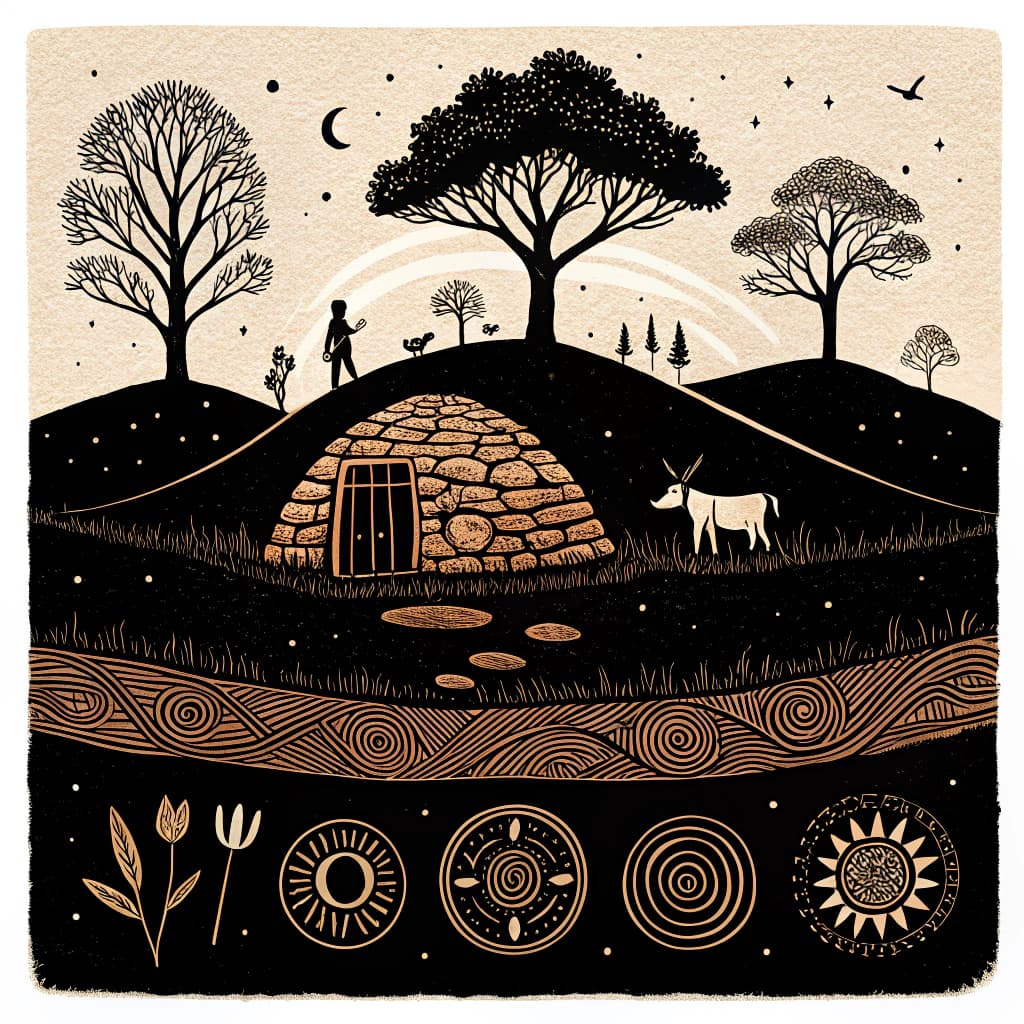
Neolithic Burial Practices
Investigating the construction of long barrows and other burial sites, exploring Neolithic beliefs about death and the afterlife.
TL;DR:Active learning immerses students in the physical and social realities of Neolithic burial practices, moving beyond abstract facts to tactile and collaborative experiences. By handling replicas, building models, and role-playing rituals, students connect abstract concepts like social hierarchy and afterlife beliefs to concrete evidence from the archaeological record.
About This Topic
Neolithic burial practices represent a key development in prehistoric Britain, shifting from the simple pit burials of Mesolithic hunter-gatherers to monumental long barrows. These large earthen mounds, often aligned with landmarks, served as communal tombs for multiple individuals across generations. Students examine how grave goods like polished axes, pottery, and beads indicate social hierarchies and beliefs in an afterlife, where the deceased needed provisions for a spiritual journey.
This topic aligns with KS2 History standards on Stone Age to Iron Age Britain, focusing on beliefs and burial practices. Children compare Neolithic communal rituals with earlier individual interments, honing skills in chronology, evidence analysis, and inference. Discussing key questions, such as what grave goods reveal about status, fosters critical thinking about past societies.
Active learning benefits this topic greatly because Neolithic concepts seem distant to Year 3 students. Hands-on tasks like sorting replica artifacts or building timeline models make abstract beliefs concrete. Collaborative role-plays of communal burials help children internalize social structures, boosting engagement and retention through direct, sensory experiences.
Key Questions
- Compare Neolithic burial practices with those of earlier periods.
- Analyze what grave goods reveal about the status and beliefs of the deceased.
- Explain the communal nature of long barrows in Neolithic society.
Learning Objectives
- Compare the construction methods of long barrows with earlier Mesolithic burial sites.
- Analyze the types and significance of grave goods found in Neolithic burials to infer social status and beliefs.
- Explain the communal purpose of long barrows as burial places for multiple individuals and generations.
- Classify different types of Neolithic burial structures based on their construction and location.
Before You Start
Why: Students need a basic understanding of earlier hunter-gatherer lifestyles and burial practices to compare them with Neolithic developments.
Why: A foundational understanding of the Stone Age periods helps students place the Neolithic era chronologically.
Key Vocabulary
| Long barrow | A large, prehistoric mound of earth built over a burial chamber, typically housing multiple bodies and used over many years. |
| Grave goods | Objects placed in a grave with the deceased, such as tools, pottery, or ornaments, believed to be useful in the afterlife. |
| Communal burial | The practice of burying multiple individuals together in the same burial site, often over a long period. |
| Afterlife | The belief that life continues in some form after death, often requiring provisions or preparations for the deceased. |
Watch Out for These Misconceptions
Common MisconceptionNeolithic burials were always individual graves like today.
What to Teach Instead
Long barrows held multiple bodies from families or clans, reflecting community ties. Role-play activities help students act out group rituals, contrasting them with solo burials to clarify collective practices.
Common MisconceptionNeolithic people had no beliefs about an afterlife.
What to Teach Instead
Grave goods provided for the journey beyond death. Sorting replicas and debating their purposes in groups builds evidence skills, shifting views from random objects to purposeful inclusions.
Common MisconceptionLong barrows were homes for the living.
What to Teach Instead
They were tombs with sealed chambers. Model-building simulations let students explore internal structures, distinguishing ritual spaces from dwellings through hands-on dissection.
Active Learning Ideas
See all activities→Stations Rotation
Artifact Sort: Grave Goods Categories
Provide replica Neolithic grave goods such as axes, beads, and pots. In small groups, students sort items by type and function, then discuss what each reveals about the deceased's status or beliefs. Groups share findings on a class chart.
Stations Rotation
Timeline Construct: Burial Changes
Give students cards with images and descriptions of Mesolithic and Neolithic burials. Pairs arrange them on a class timeline strip, adding labels for differences like communal versus individual. Review as a whole class.
Stations Rotation
Model Build: Long Barrow Chamber
Using clay, sand, and sticks, small groups construct a mini long barrow cross-section showing burial chambers. As they build, discuss communal use and add 'grave goods'. Display models for peer critique.
Real-World Connections
- Archaeologists excavate sites like West Kennet Long Barrow in Wiltshire, using tools and techniques to carefully uncover and interpret human remains and artifacts, much like detectives solving a historical mystery.
- Museum curators at the British Museum or local county museums display and preserve Neolithic artifacts, allowing the public to see and learn about the objects people used thousands of years ago and the stories they tell about past lives.
Assessment Ideas
Provide students with images of a long barrow and a simple Mesolithic pit grave. Ask them to write two sentences comparing the two, focusing on who was buried and how.
Show students pictures of common Neolithic grave goods (e.g., polished axe head, pottery shard, beads). Ask them to point to the object and explain one thing it might tell us about the person buried with it.
Pose the question: 'Why do you think Neolithic people built such large, communal tombs instead of individual graves?' Encourage students to share ideas about beliefs, community, and respect for ancestors.
Frequently Asked Questions
What do Neolithic grave goods reveal about society?
How did Neolithic burial practices differ from Mesolithic ones?
Why were long barrows communal in Neolithic society?
How can active learning engage Year 3 students in Neolithic burials?
Planning templates for History
5E Model
The 5E Model structures lessons through five phases (Engage, Explore, Explain, Elaborate, and Evaluate), guiding students from curiosity to deep understanding through inquiry-based learning.
Unit PlannerThematic Unit
Organize a multi-week unit around a central theme or essential question that cuts across topics, texts, and disciplines, helping students see connections and build deeper understanding.
RubricSingle-Point Rubric
Build a single-point rubric that defines only the "meets standard" level, leaving space for teachers to document what exceeded and what fell short. Simple to create, easy for students to understand.
More in The Neolithic Revolution: First Farmers
Origins of Farming: Domestication
Exploring how people began to domesticate animals and cultivate crops like wheat and barley, marking the start of the Neolithic Revolution.
8 methodologies
Neolithic Settlements: Village Life
Investigating the emergence of permanent settlements and the structure of early farming villages in Neolithic Britain.
8 methodologies
Skara Brae: A Stone Age Village
Investigating the remarkably preserved stone houses of Orkney, focusing on their unique architecture and what they reveal about Neolithic daily life.
8 methodologies
Neolithic Pottery: Storage & Cooking
Looking at how the need to store surplus food and cook new ingredients led to the creation of the first pottery and containers.
8 methodologies
Stonehenge: Building a Mystery
Analysing the engineering mystery of how and why huge stones were moved across Britain to construct monumental sites like Stonehenge.
8 methodologies
Neolithic Tools for Farming
Examining the new types of tools developed for agriculture, such as polished axes and sickles, and their impact on efficiency.
8 methodologies