Every lesson,a reason to lean in.
Active-learning missions teachers build in 45 seconds, print for their classroom, and run the same day.
Classroom-ready offline · works without wifi
National Curriculum Attainment Targets
Active Learning
Bring the energy of active learning into the room.
The best lessons don’t just explain. They get students moving, debating, creating, and remembering, and the evidence behind that shift is unusually strong.
studies prove students are 1.5x less likely to fail with active learning
Freeman et al. (2014), PNAS meta-analysis
How it works
Four phases, one 55-minute lesson.
Every Flip mission moves students through the same arc: a spark that pulls them in, a briefing that frames the work, active learning that asks something of them, and a debrief that lands what they took away.
Hook them in five minutes.
A prompt, a clip, a provocation: something that makes students sit up before the real work begins.
Frame the next move.
Eight minutes to orient the class, explain the method, and preview what they’ll produce.
Put the lesson in their hands.
15–60 minutes of active learning: Chalk Talks, Fishbowls, Socratic debates, Document Mysteries.
Surface what they found.
Eight minutes to draw out the threads, press on the uncertainty, and hand them something to carry home.
Active learning · 64 methodologies
Methods your students will remember.
Every methodology here has been run with real classes and tuned against real constraints. Pick one that fits the lesson, or let the mission generator choose.
Chalk Talk
Written-only discussion, no speaking allowed
A prompt or question is written on large paper. Students silently walk around and write responses, draw connections, ask follow-up questions, and respond to each other, all in writing. No speaking is allowed. Creates a thoughtful, inclusive space where introverted students often shine. The silence forces deeper reflection.
Example missions
What teachers actually run.
Real lessons, ready to print. Every subject, every age group.
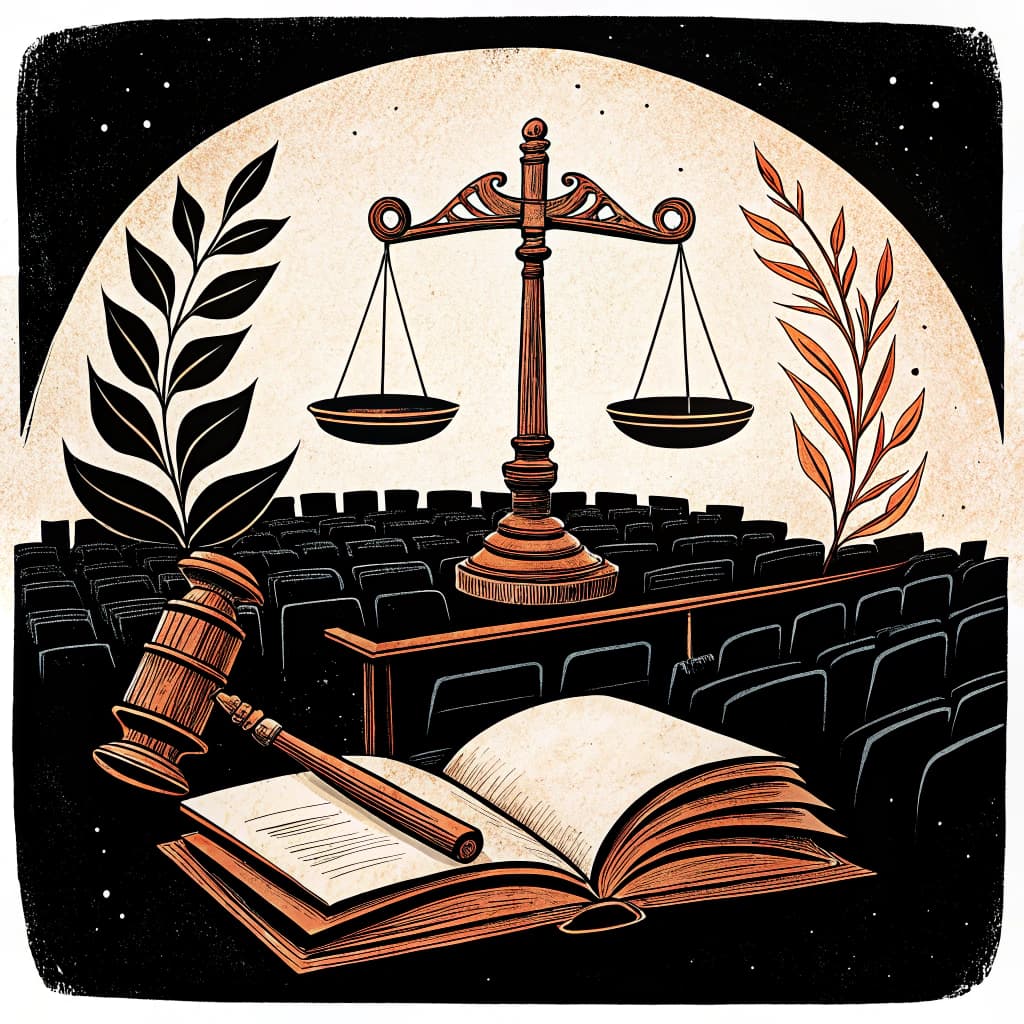
Hammurabi on Trial: Justice or Tyranny?
45 min · Mock Trial · Early Civilizations
Students prosecute and defend Hammurabi's Code in a full courtroom simulation with witnesses, attorneys, and a jury.
Was Athens Really a Democracy?
30 min · Four Corners · Classical Civilizations
Students physically move to corners to debate whether a society where 85% can't vote deserves to be called a democracy.
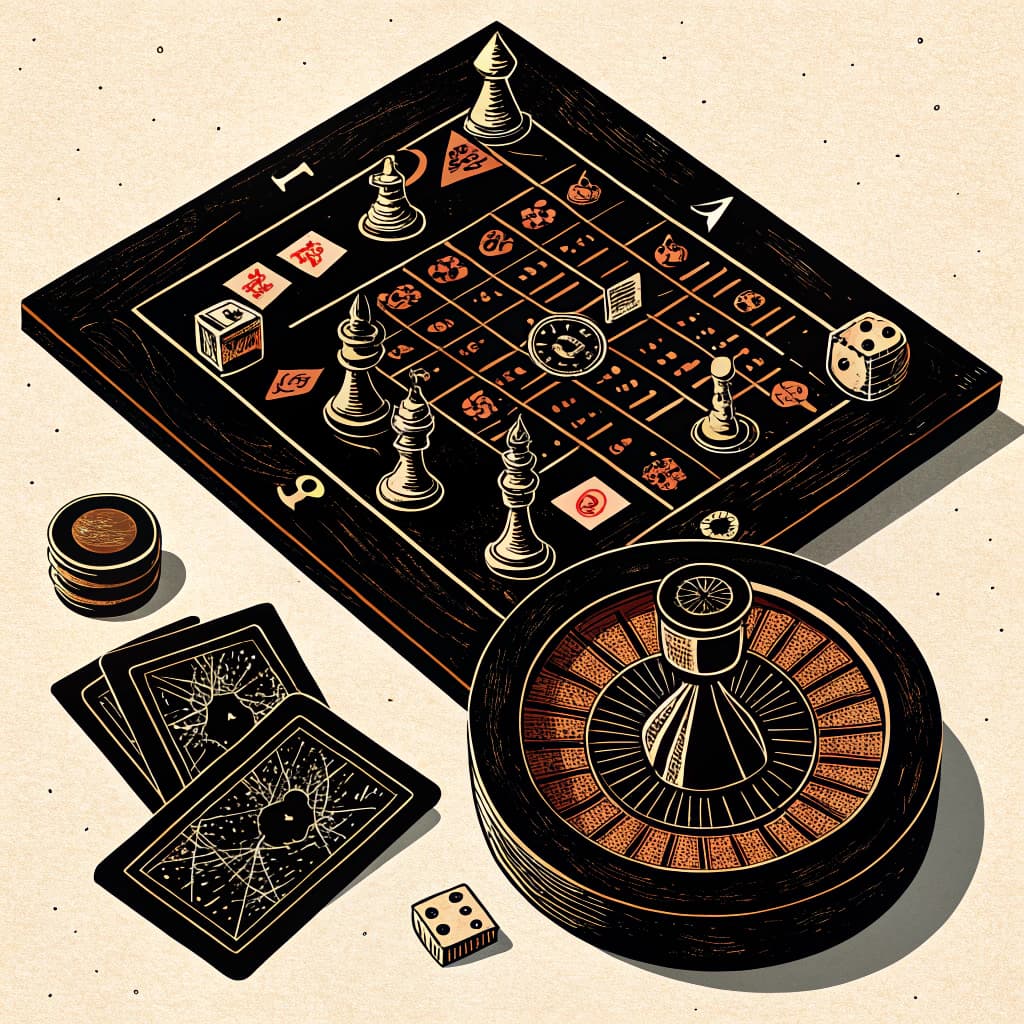
The Columbian Exchange: A Trading Simulation
45 min · Simulation Game · Age of Exploration
Five civilizations trade resources across three rounds, and discover that some exchanges come with devastating consequences.
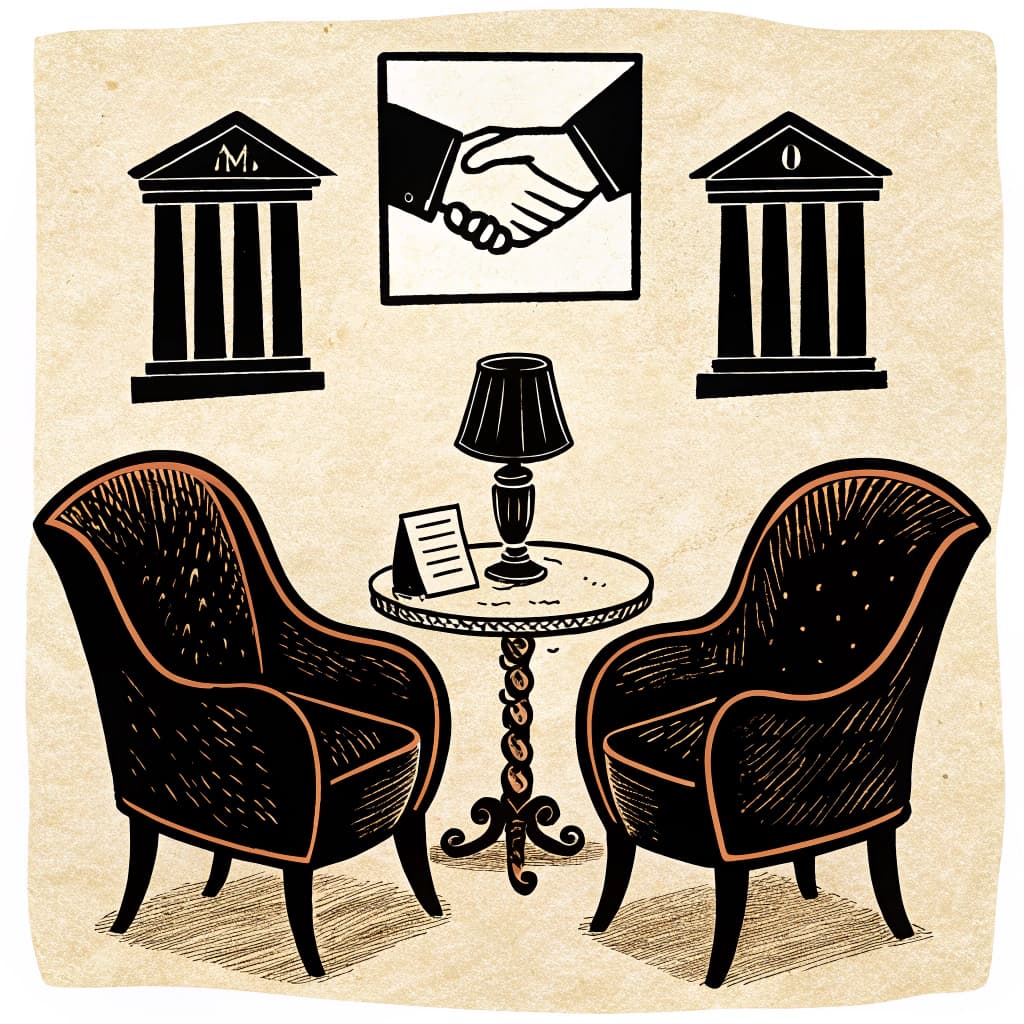
The Neolithic Revolution: Progress or Disaster?
40 min · Structured Academic Controversy · Early Civilizations
Pairs argue both sides of whether the shift to farming was humanity's greatest achievement, or its biggest mistake.
Who Built the Pyramids? A Document Mystery
35 min · Document Mystery · Early Civilizations
Students analyze primary source clues: payroll records, graffiti, bones, to debunk the myth of slave labor and uncover the truth.

Rome vs. Han China: Empire Showdown
45 min · Jigsaw · Classical Civilizations
Expert groups master military, economy, technology, and governance, then teach their home group to compare two empires that never met.
Should Galileo Recant?
50 min · Mock Trial · Renaissance & Reformation
The Church vs. Science: students put Galileo on trial for heresy in a courtroom debate about truth, authority, and evidence.
The Black Death: Who Survives?
40 min · Simulation Game · Expanding Exchange
Students play as medieval villagers making survival decisions as plague sweeps through, and discover how pandemics reshape societies.
Silk Road Stations: What Traveled Besides Goods?
45 min · Stations Rotation · Classical Civilizations
Six stations explore religion, disease, technology, art, food, and language that spread along history's most famous trade route.
Genghis Khan: Destroyer or Connector?
30 min · Four Corners · Expanding Exchange
Students take a stand on the Mongol legacy, then hear arguments that challenge their position and decide whether to switch corners.
The Renaissance Art Gallery
45 min · Gallery Walk · Renaissance & Reformation
Groups create displays comparing medieval and Renaissance art, then rotate, leave sticky-note critiques, and debate what changed.
Was the Reformation About Faith or Power?
40 min · Structured Academic Controversy · Renaissance & Reformation
Pairs argue that Luther's break was theological, then switch sides and argue it was political, before writing a consensus statement.
Mansa Musa's Hajj: Mapping an Empire's Wealth
35 min · Document Mystery · Expanding Exchange
Students trace Musa's journey using maps, accounts, and gold records to understand why Mali was the richest empire on Earth.
The Caste System: Social Structure or Oppression?
40 min · Socratic Seminar · Classical Civilizations
Inner and outer circles debate whether the caste system was a functional social order or an unjust hierarchy, using primary sources.
Feudalism: A Fair Deal?
45 min · Simulation Game · Post-Classical Era
Students are assigned roles, king, lords, knights, serfs, and negotiate obligations across three rounds of medieval crises.
Connecting the Ancient World
35 min · Hexagonal Thinking · Early Civilizations
Students arrange hexagons for key concepts, iron, monotheism, democracy, the wheel, and debate which connections matter most.
Gold, God, or Glory: Why Did Europe Explore?
30 min · Four Corners · Age of Exploration
Students choose the primary motive for European exploration, then defend their position against three competing arguments.
The Crusades: Holy War or Trade Mission?
40 min · Structured Academic Controversy · Expanding Exchange
Was it about reclaiming Jerusalem or opening trade routes? Pairs argue both sides before finding the nuanced truth in between.
Why Do Cities Grow Where They Do?
40 min · Document Mystery · Human Geography
Students overlay rivers, trade routes, and elevation to predict where civilizations settled, then test their map against the real one.
Macbeth on the Witness Stand
50 min · Mock Trial · Shakespearean Tragedy
The class puts Macbeth on trial for murder. Defense argues fate and manipulation, prosecution argues ambition and choice.
Cell or Factory? A Biology Jigsaw
45 min · Jigsaw · Cell Biology
Expert groups each master one organelle, then teach home groups by mapping cells onto factory roles to explain cellular respiration.
Pi, Probability, and a Pizza Party
45 min · Stations Rotation · Applied Mathematics
Six math stations estimate probability, area, and ratio to decide how many pizzas feed the school, then compare solutions.
What Would You Put in a Time Capsule?
35 min · Gallery Walk · Visual Identity
Students design a visual time capsule for 2075, then rotate through the gallery to critique which objects best capture this decade.
Is Free Speech Ever Truly Free?
50 min · Socratic Seminar · Rights and Responsibilities
Using court cases and news clips, inner and outer circles debate the limits of speech in schools, online, and in public protest.
Escape the Equation
45 min · Escape Room · Expressions and Linear Equations
A 40-minute countdown locks the door. Students solve equivalent-expression puzzles to crack each digit of the override code and escape.
From Seed to Plate: A Life Cycle Gallery
40 min · Gallery Walk · Life Cycles and Inherited Traits
Small groups illustrate one stage of a plant's life cycle, then walk the gallery to assemble the full seed-to-fruit story across the room.
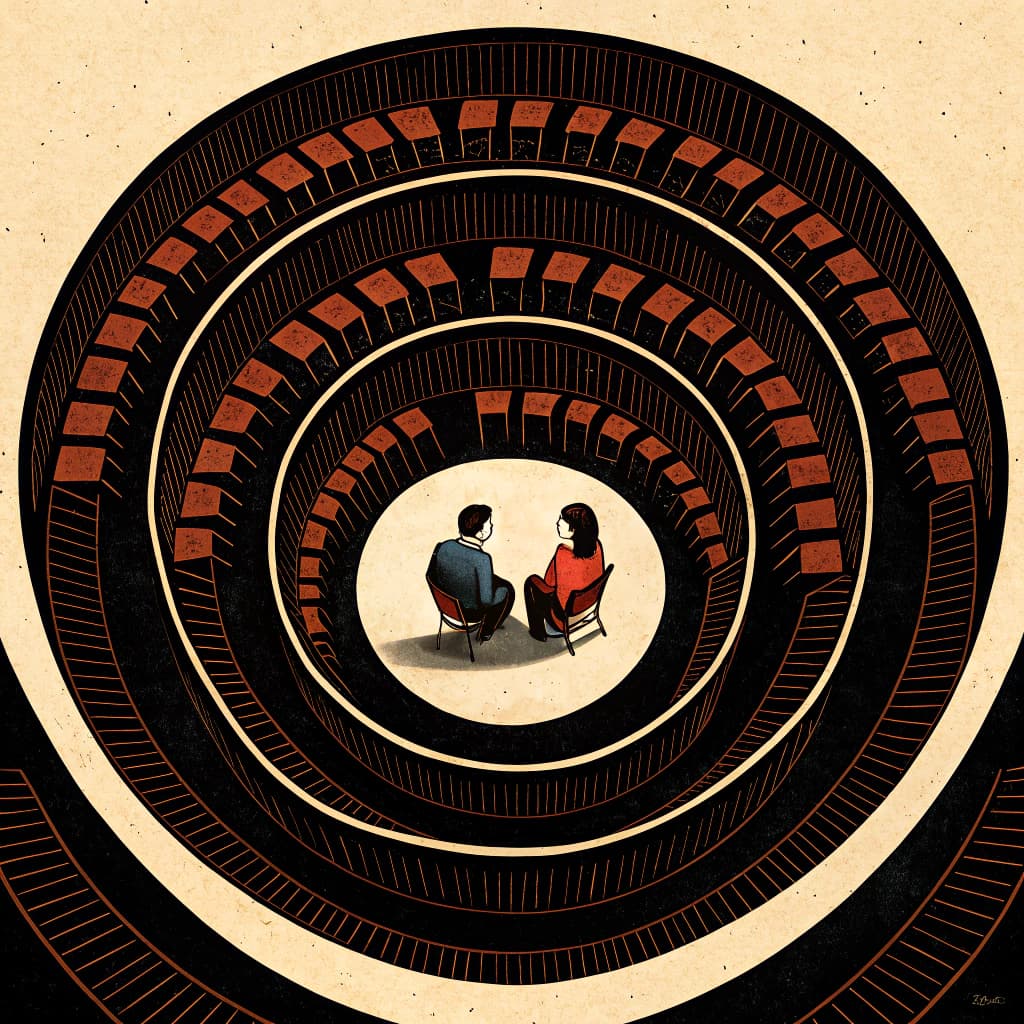
Should Schools Ban Phones?
45 min · Fishbowl Discussion · The Power of Persuasion
Inner-circle students debate a real proposed phone-ban policy while the outer circle tracks claims and evidence on a structured observer sheet.
Our Town Needs a Skatepark
45 min · Town Hall Meeting · Political Parties and Ideology
City council has $100K to spend. Students take roles as council members, residents, and youth advocates to argue for skatepark, fire truck, or library roof.
Disease Detective: Tracing an Outbreak
50 min · Case Study Analysis · Human Systems and Integration
Twelve students at St. Jude's are sick. Teams analyze symptoms, contact maps, and lab results to identify the pathogen and prevent the next wave.
Climate Zones Jigsaw
45 min · Jigsaw · Physical Systems and Earth's Dynamics
Expert groups each master one climate zone, from rainforest to polar desert, then teach home groups how latitude, altitude, and ocean currents shape life.
The Crash of 1929
50 min · Philosophical Chairs · Macroeconomics: Measuring Economic Performance
Students take a stand on whether the 1929 crash was preventable, then move chairs as new evidence on margin trading, the Fed, and unemployment shifts their position.
Art Movement Trading Cards
40 min · Trading Cards · Art History and Global Perspectives
Students design collectible cards for Impressionism, Cubism, and Realism, then trade with peers to assemble a full set that tells how art changed.
Newton's Laws Lab Stations
50 min · Stations Rotation · Dynamics: Interaction of Force and Mass
Six lab stations test inertia, force, and reaction with skateboards, marbles, and balloon rockets, so each law gets felt before it gets formalized.

Nutrition Myth Busters
40 min · Press Conference · Cells and Body Systems
Student panels of scientists answer reporter questions about viral food claims, citing the digestive system to debunk the loudest social-media nutrition myths.
Is AI Fair? Mapping the Ethics
45 min · Hexagonal Thinking · The Impact of Artificial Intelligence
Students arrange hexagons for training data, bias, accountability, and transparency, then defend which connections matter most when an AI rejects resumes.
The French Revolution: Who Deserves Power?
50 min · Socratic Seminar · The Age of Revolutions
Inner and outer circles use Robespierre, Locke, and Burke to debate whether revolutionary terror is justice, tyranny, or something messier in between.
Hammurabi on Trial: Justice or Tyranny?
45 min · Mock Trial · Early Civilizations
Students prosecute and defend Hammurabi's Code in a full courtroom simulation with witnesses, attorneys, and a jury.
Was Athens Really a Democracy?
30 min · Four Corners · Classical Civilizations
Students physically move to corners to debate whether a society where 85% can't vote deserves to be called a democracy.
The Columbian Exchange: A Trading Simulation
45 min · Simulation Game · Age of Exploration
Five civilizations trade resources across three rounds, and discover that some exchanges come with devastating consequences.
The Neolithic Revolution: Progress or Disaster?
40 min · Structured Academic Controversy · Early Civilizations
Pairs argue both sides of whether the shift to farming was humanity's greatest achievement, or its biggest mistake.
Who Built the Pyramids? A Document Mystery
35 min · Document Mystery · Early Civilizations
Students analyze primary source clues: payroll records, graffiti, bones, to debunk the myth of slave labor and uncover the truth.
Rome vs. Han China: Empire Showdown
45 min · Jigsaw · Classical Civilizations
Expert groups master military, economy, technology, and governance, then teach their home group to compare two empires that never met.
Should Galileo Recant?
50 min · Mock Trial · Renaissance & Reformation
The Church vs. Science: students put Galileo on trial for heresy in a courtroom debate about truth, authority, and evidence.
The Black Death: Who Survives?
40 min · Simulation Game · Expanding Exchange
Students play as medieval villagers making survival decisions as plague sweeps through, and discover how pandemics reshape societies.
Silk Road Stations: What Traveled Besides Goods?
45 min · Stations Rotation · Classical Civilizations
Six stations explore religion, disease, technology, art, food, and language that spread along history's most famous trade route.
Genghis Khan: Destroyer or Connector?
30 min · Four Corners · Expanding Exchange
Students take a stand on the Mongol legacy, then hear arguments that challenge their position and decide whether to switch corners.
The Renaissance Art Gallery
45 min · Gallery Walk · Renaissance & Reformation
Groups create displays comparing medieval and Renaissance art, then rotate, leave sticky-note critiques, and debate what changed.
Was the Reformation About Faith or Power?
40 min · Structured Academic Controversy · Renaissance & Reformation
Pairs argue that Luther's break was theological, then switch sides and argue it was political, before writing a consensus statement.
Mansa Musa's Hajj: Mapping an Empire's Wealth
35 min · Document Mystery · Expanding Exchange
Students trace Musa's journey using maps, accounts, and gold records to understand why Mali was the richest empire on Earth.
The Caste System: Social Structure or Oppression?
40 min · Socratic Seminar · Classical Civilizations
Inner and outer circles debate whether the caste system was a functional social order or an unjust hierarchy, using primary sources.
Feudalism: A Fair Deal?
45 min · Simulation Game · Post-Classical Era
Students are assigned roles, king, lords, knights, serfs, and negotiate obligations across three rounds of medieval crises.
Connecting the Ancient World
35 min · Hexagonal Thinking · Early Civilizations
Students arrange hexagons for key concepts, iron, monotheism, democracy, the wheel, and debate which connections matter most.
Gold, God, or Glory: Why Did Europe Explore?
30 min · Four Corners · Age of Exploration
Students choose the primary motive for European exploration, then defend their position against three competing arguments.
The Crusades: Holy War or Trade Mission?
40 min · Structured Academic Controversy · Expanding Exchange
Was it about reclaiming Jerusalem or opening trade routes? Pairs argue both sides before finding the nuanced truth in between.
Why Do Cities Grow Where They Do?
40 min · Document Mystery · Human Geography
Students overlay rivers, trade routes, and elevation to predict where civilizations settled, then test their map against the real one.
Macbeth on the Witness Stand
50 min · Mock Trial · Shakespearean Tragedy
The class puts Macbeth on trial for murder. Defense argues fate and manipulation, prosecution argues ambition and choice.
Cell or Factory? A Biology Jigsaw
45 min · Jigsaw · Cell Biology
Expert groups each master one organelle, then teach home groups by mapping cells onto factory roles to explain cellular respiration.
Pi, Probability, and a Pizza Party
45 min · Stations Rotation · Applied Mathematics
Six math stations estimate probability, area, and ratio to decide how many pizzas feed the school, then compare solutions.
What Would You Put in a Time Capsule?
35 min · Gallery Walk · Visual Identity
Students design a visual time capsule for 2075, then rotate through the gallery to critique which objects best capture this decade.
Is Free Speech Ever Truly Free?
50 min · Socratic Seminar · Rights and Responsibilities
Using court cases and news clips, inner and outer circles debate the limits of speech in schools, online, and in public protest.
Escape the Equation
45 min · Escape Room · Expressions and Linear Equations
A 40-minute countdown locks the door. Students solve equivalent-expression puzzles to crack each digit of the override code and escape.
From Seed to Plate: A Life Cycle Gallery
40 min · Gallery Walk · Life Cycles and Inherited Traits
Small groups illustrate one stage of a plant's life cycle, then walk the gallery to assemble the full seed-to-fruit story across the room.
Should Schools Ban Phones?
45 min · Fishbowl Discussion · The Power of Persuasion
Inner-circle students debate a real proposed phone-ban policy while the outer circle tracks claims and evidence on a structured observer sheet.
Our Town Needs a Skatepark
45 min · Town Hall Meeting · Political Parties and Ideology
City council has $100K to spend. Students take roles as council members, residents, and youth advocates to argue for skatepark, fire truck, or library roof.
Disease Detective: Tracing an Outbreak
50 min · Case Study Analysis · Human Systems and Integration
Twelve students at St. Jude's are sick. Teams analyze symptoms, contact maps, and lab results to identify the pathogen and prevent the next wave.
Climate Zones Jigsaw
45 min · Jigsaw · Physical Systems and Earth's Dynamics
Expert groups each master one climate zone, from rainforest to polar desert, then teach home groups how latitude, altitude, and ocean currents shape life.
The Crash of 1929
50 min · Philosophical Chairs · Macroeconomics: Measuring Economic Performance
Students take a stand on whether the 1929 crash was preventable, then move chairs as new evidence on margin trading, the Fed, and unemployment shifts their position.
Art Movement Trading Cards
40 min · Trading Cards · Art History and Global Perspectives
Students design collectible cards for Impressionism, Cubism, and Realism, then trade with peers to assemble a full set that tells how art changed.
Newton's Laws Lab Stations
50 min · Stations Rotation · Dynamics: Interaction of Force and Mass
Six lab stations test inertia, force, and reaction with skateboards, marbles, and balloon rockets, so each law gets felt before it gets formalized.
Nutrition Myth Busters
40 min · Press Conference · Cells and Body Systems
Student panels of scientists answer reporter questions about viral food claims, citing the digestive system to debunk the loudest social-media nutrition myths.
Is AI Fair? Mapping the Ethics
45 min · Hexagonal Thinking · The Impact of Artificial Intelligence
Students arrange hexagons for training data, bias, accountability, and transparency, then defend which connections matter most when an AI rejects resumes.
The French Revolution: Who Deserves Power?
50 min · Socratic Seminar · The Age of Revolutions
Inner and outer circles use Robespierre, Locke, and Burke to debate whether revolutionary terror is justice, tyranny, or something messier in between.
Social & Emotional Learning, built in
Every mission has SEL inside it.
Active learning isn’t just cognitive, it’s social. Flip Education embeds CASEL-aligned social-emotional skill practice into the structure of every mission, not as a separate "soft skills" module.
- Self-awareness builds into the reflection phase, students name what they noticed about their own thinking.
- Social awareness lives in methodologies that surface classmates’ perspectives before debate.
- Relationship skills practice is baked into group-work structures (Jigsaw, Fishbowl, Chalk Talk).
- Responsible decision-making shows up in every Action phase that asks students to choose, defend, and revise.
Why Flip Education
Three promises we keep.
Most edtech tools ask teachers to trust the software. We ask teachers to trust themselves, we just save the hour they’d spend prepping.
A mission you’ll actually run.
Type a topic, get a complete 4-phase lesson with printable toolkits in under a minute. Not templates, not boilerplate: an actual lesson you can walk into class with.
How generation worksThe part of the day they talk about later.
Flip missions are built for movement, surprise, and real classroom energy. The room should buzz. The lesson should feel like the most alive part of the day.
Why fun mattersThe classroom, not the cloud.
Every mission prints to a paper toolkit: teacher briefing, student cards, facilitation guide, debrief slips. The app is where you generate. The classroom is where the lesson lives.
See a printed toolkitFrom the Blog
Insights for your classroom
active learning
How to Use Human Barometer in Your Classroom
Human barometer turns opinion into movement. A step-by-step guide to running this kinesthetic discussion strategy in any K-12 classroom.
10 min read
education
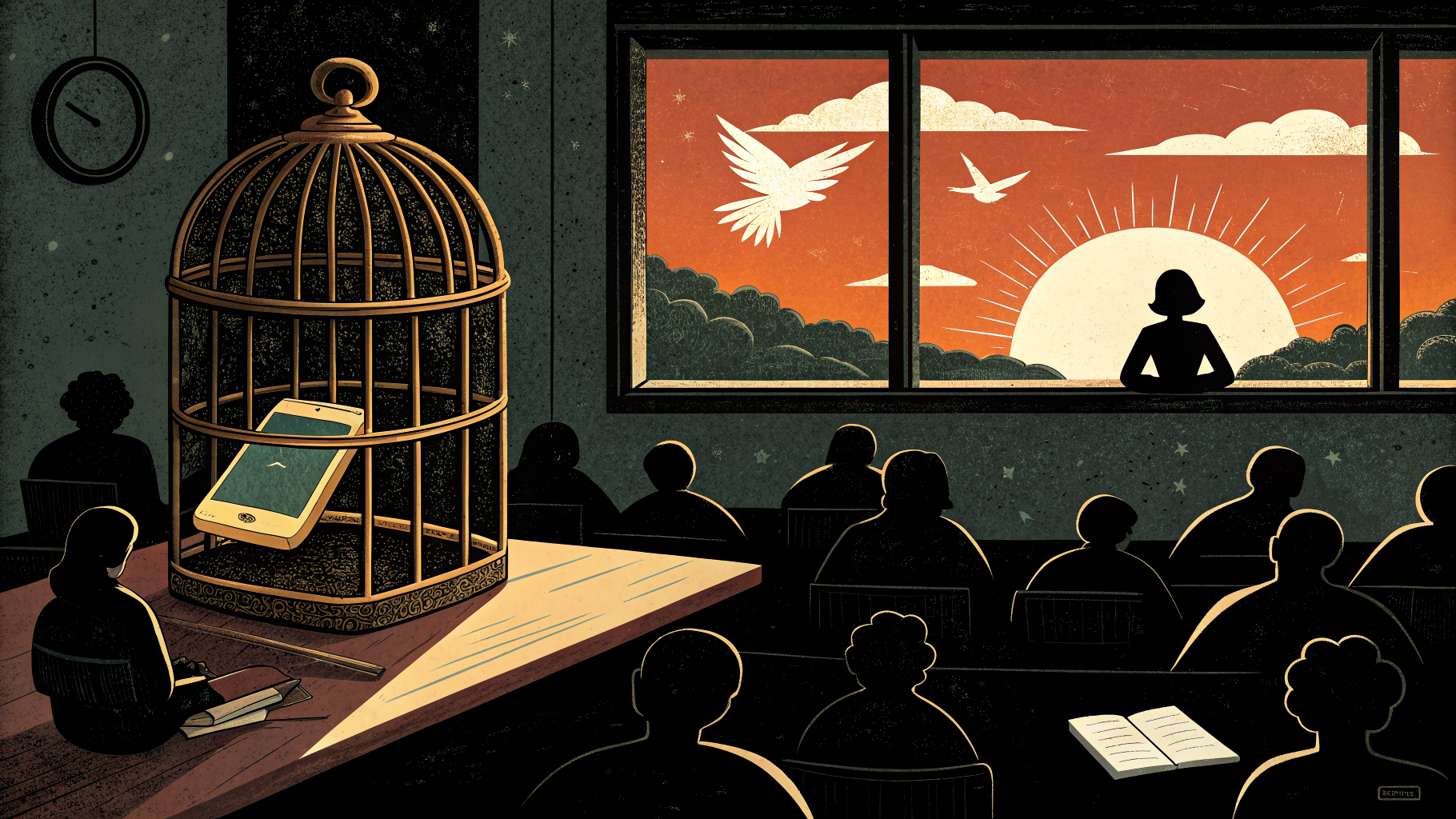
7 Proven Strategies to Implement a Phone Ban in Schools Without Parent Pushback
Phone bans work, but implementation is where they succeed or fail. Here are 7 evidence-backed strategies to bring parents, teachers, and students along.
9 min read
education
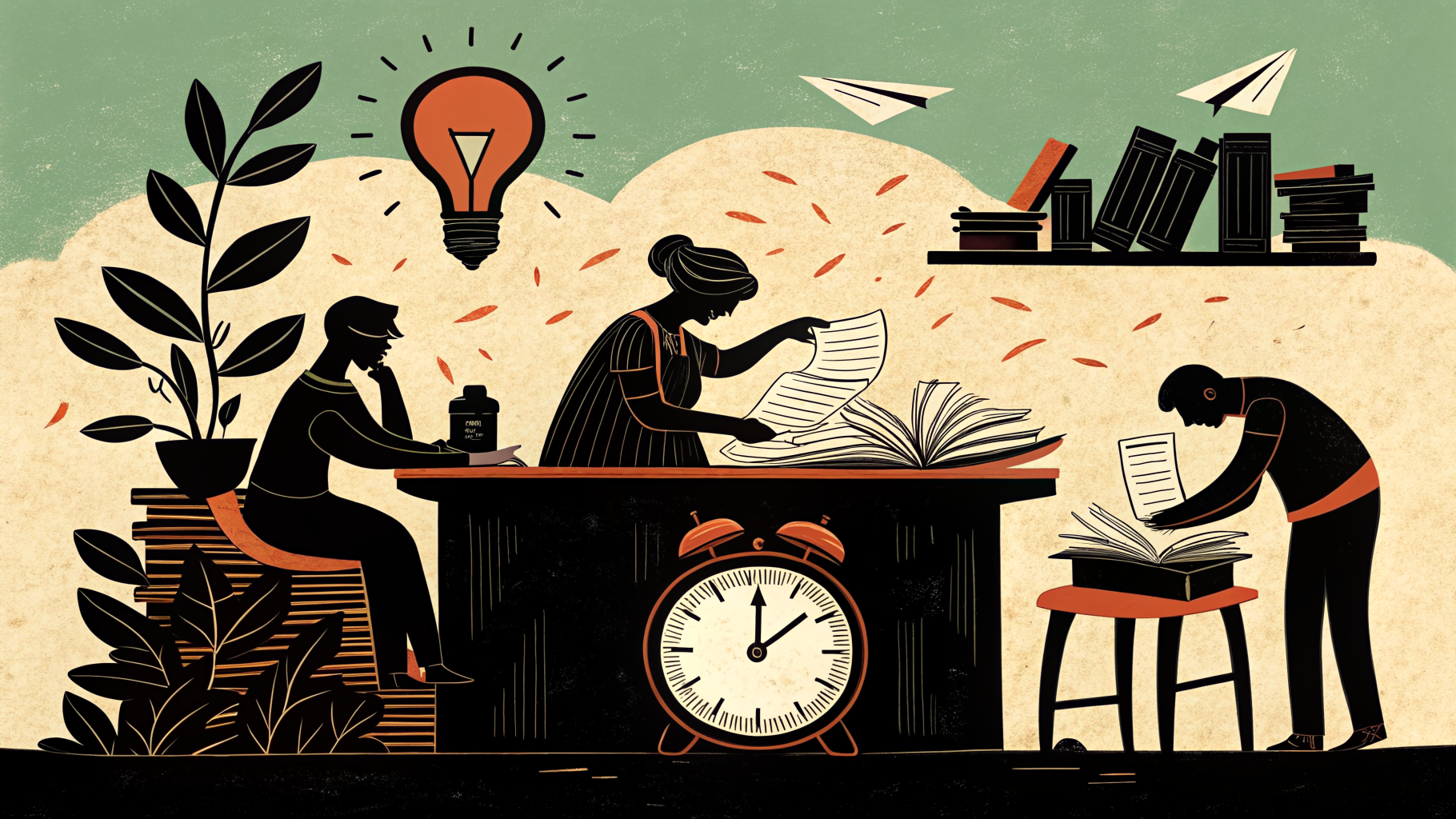
10 Surprising Facts About How Teachers Spend Their Time
The official numbers on teacher planning time don't tell the whole story. Here's what the data actually reveals about the modern teacher workweek.
8 min read
Ready when you are
Your first mission, in 45 seconds.
Free to try. No signup needed. If it works for you, you’ll know before the first debrief is over.