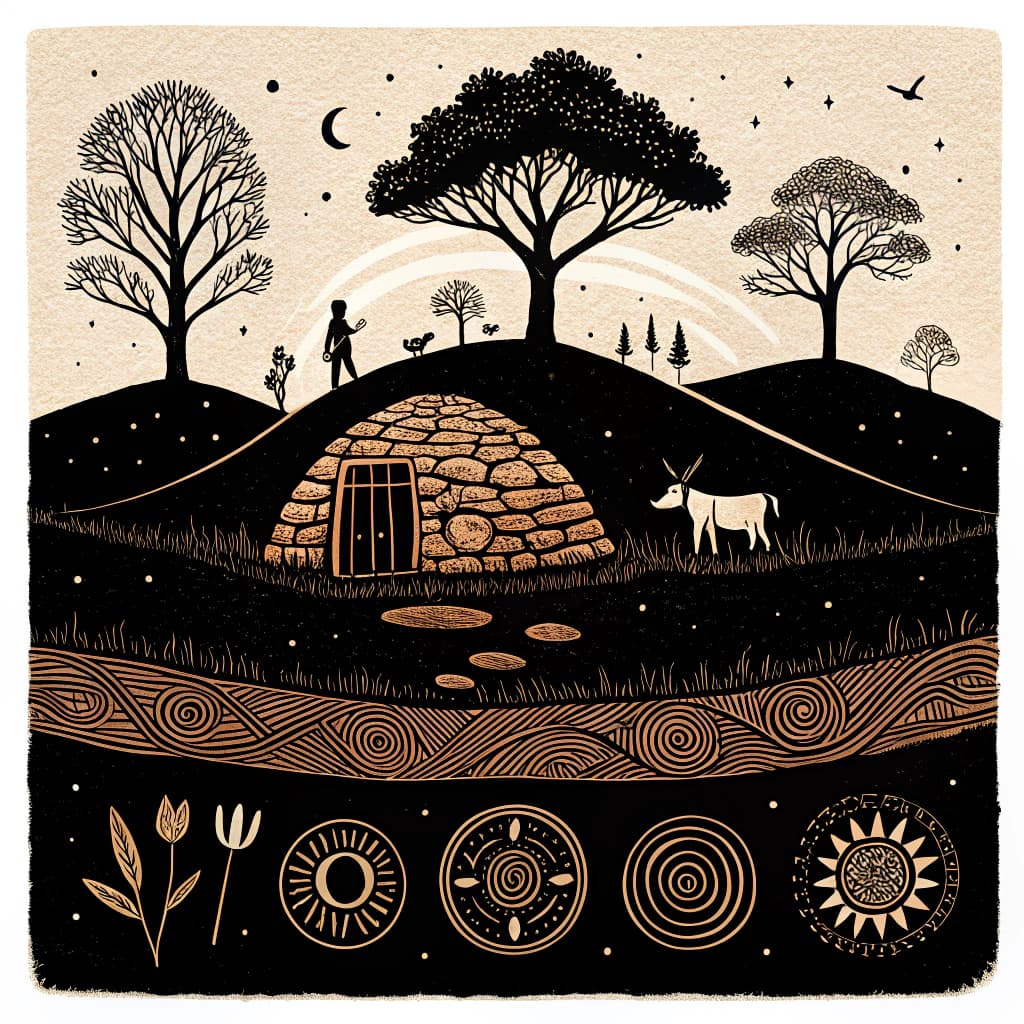
Iron Age Beliefs & Rituals
Exploring the spiritual world of Iron Age Britons, including their reverence for nature, water offerings, and the significance of bog bodies.
TL;DR:Active learning immerses Year 3 students in the sensory and symbolic world of Iron Age Britons. Handling replicas and acting out rituals helps children grasp abstract beliefs about nature spirits and sacred spaces better than reading alone.
About This Topic
Iron Age Beliefs and Rituals guides Year 3 students into the spiritual world of Britons from 800 BC to AD 43. These people revered nature, viewing water sources like rivers and bogs as gateways to otherworldly powers. They deposited precious objects, such as swords and torcs, as offerings to spirits for protection or fertility. Bog bodies, preserved by acidic peat, offer direct evidence of rituals, including possible human sacrifices to appease natural forces.
This topic aligns with KS2 History standards on Iron Age Britain, focusing on religion and society. Students explain the spiritual significance of water, analyze deposit purposes, and evaluate archaeological finds. These activities build skills in source evaluation and cultural interpretation, connecting past beliefs to how societies form around shared values.
Active learning excels here because rituals feel distant to modern children. When students sort replica artefacts, simulate bog deposits in sand trays, or discuss bog body evidence in pairs, they grasp abstract concepts through touch and role-play. This hands-on approach sparks curiosity and helps students empathize with Iron Age worldviews.
Key Questions
- Explain why Iron Age people believed natural elements like water held spiritual power.
- Analyze the purpose behind depositing valuable objects in bogs and rivers.
- Evaluate what archaeological finds like bog bodies reveal about Iron Age rituals and beliefs.
Learning Objectives
- Explain why Iron Age people attributed spiritual power to natural elements like water.
- Analyze the purpose of depositing valuable objects in bogs and rivers during the Iron Age.
- Evaluate what archaeological evidence, such as bog bodies, reveals about Iron Age rituals and beliefs.
- Classify different types of offerings made by Iron Age people and their potential meanings.
Before You Start
Why: Understanding Stone Age hunter-gatherer societies provides a foundation for comparing early human beliefs and interactions with their environment.
Why: Students need a foundational concept of what it means to believe in something unseen to grasp the idea of Iron Age spiritual practices.
Key Vocabulary
| Torc | A stiff, often ornate, neck ring worn by the Iron Age elite. They were sometimes deposited as valuable offerings. |
| Bog Body | A human body preserved naturally in a peat bog. These finds offer clues about Iron Age burial and ritual practices. |
| Offering | A valuable item given to a deity or spirit, often to seek favor, protection, or to appease them. Iron Age people made offerings to water spirits. |
| Ritual | A set of actions performed regularly, often for religious or ceremonial purposes. Iron Age rituals involved offerings and possibly sacrifices. |
Watch Out for These Misconceptions
Common MisconceptionIron Age people deposited valuables in bogs because they were poor and did not value them.
What to Teach Instead
Deposits were deliberate offerings to spirits, often of high-status items, showing wealth and devotion. Sorting replica artefacts in groups helps students compare qualities and recognize intentional patterns over time.
Common MisconceptionBog bodies were accidents, like people who drowned while fishing.
What to Teach Instead
Many show signs of ritual killing, such as bound limbs or multiple wounds, preserved as sacrifices. Pair discussions of evidence photos allow students to debate causes and build evidence-based arguments.
Common MisconceptionIron Age Britons believed in the Christian God like today.
What to Teach Instead
They followed polytheistic nature worship with spirits in water and earth. Role-playing rituals contrasts modern beliefs, helping students appreciate cultural differences through immersive activities.
Active Learning Ideas
See all activities→Mystery Object
Artifact Sort: Sacred Offerings
Provide replica Iron Age objects like pottery shards, weapons, and jewellery. In small groups, students sort them into categories of everyday versus ritual use, then justify choices with evidence from images of bog finds. Conclude with a class share-out of patterns noticed.
Mystery Object
Role-Play: Bog Ritual Drama
Assign roles as Iron Age villagers preparing a water offering. Groups script a short scene showing why they deposit valuables, perform for the class, then peer-review for historical accuracy using provided fact sheets.
Mystery Object
Bog Body Evidence Hunt
Display photos and descriptions of bog bodies like Lindow Man. In pairs, students hunt for clues about rituals, such as wounds or pollen in stomachs, and draw inference maps linking evidence to beliefs.
Real-World Connections
- Archaeologists, like those working at the Museum of London Archaeology, study Iron Age sites and artefacts to reconstruct past societies and their beliefs. They use techniques to analyze the context of finds, such as where objects were discovered.
- Environmental historians examine how past societies interacted with their natural landscapes. Understanding Iron Age reverence for water sources can inform how we view our own relationship with rivers and wetlands today.
Assessment Ideas
Provide students with three images: a river, a sword, and a bog body. Ask them to write one sentence explaining how each might have been connected to Iron Age beliefs and rituals.
Pose the question: 'If you were an Iron Age person, why might you throw your most valuable possession into a bog?' Facilitate a class discussion, encouraging students to use vocabulary like 'offering,' 'spirit,' and 'ritual' in their answers.
Show students pictures of different Iron Age artefacts (e.g., pottery shards, metalwork, animal bones). Ask them to identify which items might have been used as offerings and explain their reasoning based on the lesson.
Frequently Asked Questions
What do bog bodies reveal about Iron Age rituals?
Why did Iron Age people revere water in rituals?
How can active learning help students understand Iron Age beliefs?
What activities teach Iron Age offerings effectively?
Planning templates for History
5E Model
The 5E Model structures lessons through five phases (Engage, Explore, Explain, Elaborate, and Evaluate), guiding students from curiosity to deep understanding through inquiry-based learning.
Unit PlannerThematic Unit
Organize a multi-week unit around a central theme or essential question that cuts across topics, texts, and disciplines, helping students see connections and build deeper understanding.
RubricSingle-Point Rubric
Build a single-point rubric that defines only the "meets standard" level, leaving space for teachers to document what exceeded and what fell short. Simple to create, easy for students to understand.
More in The Iron Age: Hillforts and Warriors
Iron: The Superior Metal
Learning why iron replaced bronze as the dominant metal and how its properties changed farming, tools, and warfare.
8 methodologies
Life in an Iron Age Hillfort
Studying the massive earthworks like Maiden Castle and their role as fortified tribal centres, exploring their defensive and social functions.
8 methodologies
Iron Age Farming & Food
Investigating agricultural practices in the Iron Age, including crop rotation, livestock management, and the types of food consumed.
8 methodologies
Celtic Art & Identity
Exploring the beautiful swirling patterns of Celtic art found on jewellery, weapons, and everyday objects, and its connection to tribal identity.
8 methodologies
The Druids: Priests & Power
Investigating the mysterious religious leaders of the Iron Age, the Druids, and their significant role in society, law, and spiritual beliefs.
8 methodologies
The Arrival of the Romans
The end of the Iron Age and the first contacts between Britain and the Roman Empire, leading to significant cultural and political shifts.
8 methodologies