Active learning · 64 methodologies
Methods your students will remember.
Every methodology here has been run with real classes, tuned against real constraints, printed in real staff rooms. Pick one that fits the lesson, or let the mission generator choose.
Browse all 64
Showing 64 methodologies
Expert Panel
Students research sub-topics and present as subject experts to a peer panel, developing the analytical and communication skills central to NEP 2020's competency framework.
Socratic Seminar
A structured, student-led discussion method in which learners use open-ended questioning and textual evidence to collaboratively analyse complex ideas, aligning directly with NEP 2020's emphasis on critical thinking and competency-based learning.
Mock Trial
Students litigate a curriculum-aligned case as attorneys, witnesses, and jurors, building evidence-based argumentation and analytical thinking skills directly connected to board syllabi.

Jigsaw
Students become curriculum experts and teach each other, structured for large Indian classrooms and aligned to CBSE, ICSE, and state board syllabi.
Four Corners
Students move to corners of the classroom representing their position on a statement, then discuss and defend their reasoning with peers,building the analytical skills board examinations reward.
Gallery Walk
Students rotate through stations posted around the classroom, analysing prompts and building on each other's written responses, a high-engagement format that works across CBSE, ICSE, and state board contexts.
Simulation Game
Place students inside the systems they are studying, historical negotiations, resource crises, economic models, so that understanding comes from experience, not only from the textbook.

Document Mystery
Students analyse a curated set of historical documents as detectives to reconstruct an event or solve a problem, building the source-analysis and evidence-reasoning skills tested in CBSE, ICSE, and state board examinations.

Structured Academic Controversy
A cooperative discussion protocol where student pairs research opposing positions on a curriculum topic, argue both sides, then collaborate to reach a reasoned synthesis, building analytical skills valued in NEP 2020 and higher-order board exam questions.
Stations Rotation
Rotate small groups through distinct learning zones, teacher-led, collaborative, and independent, to manage large, ability-diverse classes within a single 45-minute period.
Hexagonal Thinking
A visual connection strategy where students arrange concept hexagons to map relationships, ideal for NCERT chapters, NEP 2020 competency goals, and CBQ preparation across CBSE, ICSE, and state boards.

Fishbowl Discussion
Small-group discussion observed by the class, builds critical dialogue and analytical listening across CBSE, ICSE, and state board schools.
Role Play
Students take on specific roles within a structured scenario, applying curriculum knowledge through the perspective of a character to develop empathy, critical analysis, and communication skills.
Think-Pair-Share
A three-phase structured discussion strategy that gives every student in a large Class individual thinking time, partner dialogue, and a structured pathway to contribute to whole-class learning, aligned with NEP 2020 competency-based outcomes.
Formal Debate
Students argue opposing positions on a curriculum-linked resolution, building critical thinking, evidence literacy, and oral communication skills, directly aligned with NEP 2020 competency goals.

World Café
A structured discussion method where students rotate between small groups, building collective understanding through progressive rounds of conversation on a shared topic.
Academic Speed Dating
Rapid paired rotations where students explain, question, and listen across multiple classmates, structured to build both conceptual fluency and oral communication skills within a single class period.
Carousel Brainstorm
A rotation-based group activity where students move between stations to build a shared map of ideas, practical for large Indian classes and aligned with NEP 2020 collaborative learning goals.

Hot Seat
A student or teacher inhabits a character or historical figure and answers spontaneous questions from the class, building perspective-taking and oral communication across CBSE, ICSE, and state board curricula.
Chalk Talk
A silent, written discussion routine that gives every student in a large Class an equal voice

Inside-Outside Circle
Two concentric circles rotate for rapid peer-to-peer exchange, every student simultaneously active across multiple partners within a single 45-minute period.
Museum Exhibit
Students curate classroom exhibits and present as 'docents' to peers, transforming NCERT and board syllabus content into a gallery of live, explained understanding.

Case Study Analysis
Students analyse a real-world scenario, identify the core problem, and defend evidence-based solutions, developing the critical thinking and application skills foregrounded in NEP 2020.
Philosophical Chairs
A kinesthetic structured debate where students physically take sides on a controversial statement, then move if their thinking shifts, building the analytical and communication skills central to NEP 2020 competency goals.

Human Barometer
Students physically position themselves along a classroom continuum to represent their stance on a statement, making the range of opinions visible and discussable.
Snowball Discussion
A structured discussion that grows from individual reflection to pairs, groups of four, and finally whole-Class sharing, building every student's confidence to speak before the full section.

Graffiti Wall
A collaborative visual brainstorming strategy where students simultaneously write responses to prompts posted around the classroom, surfacing collective understanding across the full range of learners.

Town Hall Meeting
A structured simulation in which students represent competing stakeholders to deliberate a civic or curriculum issue and reach a community decision, directly developing the multi-perspective analysis and evidence-based argumentation skills assessed in CBSE, ICSE, and state board examinations.
Escape Room
A gamified, puzzle-based learning experience aligned to NCERT and board syllabi that builds critical thinking and collaborative skills as mandated by NEP 2020.
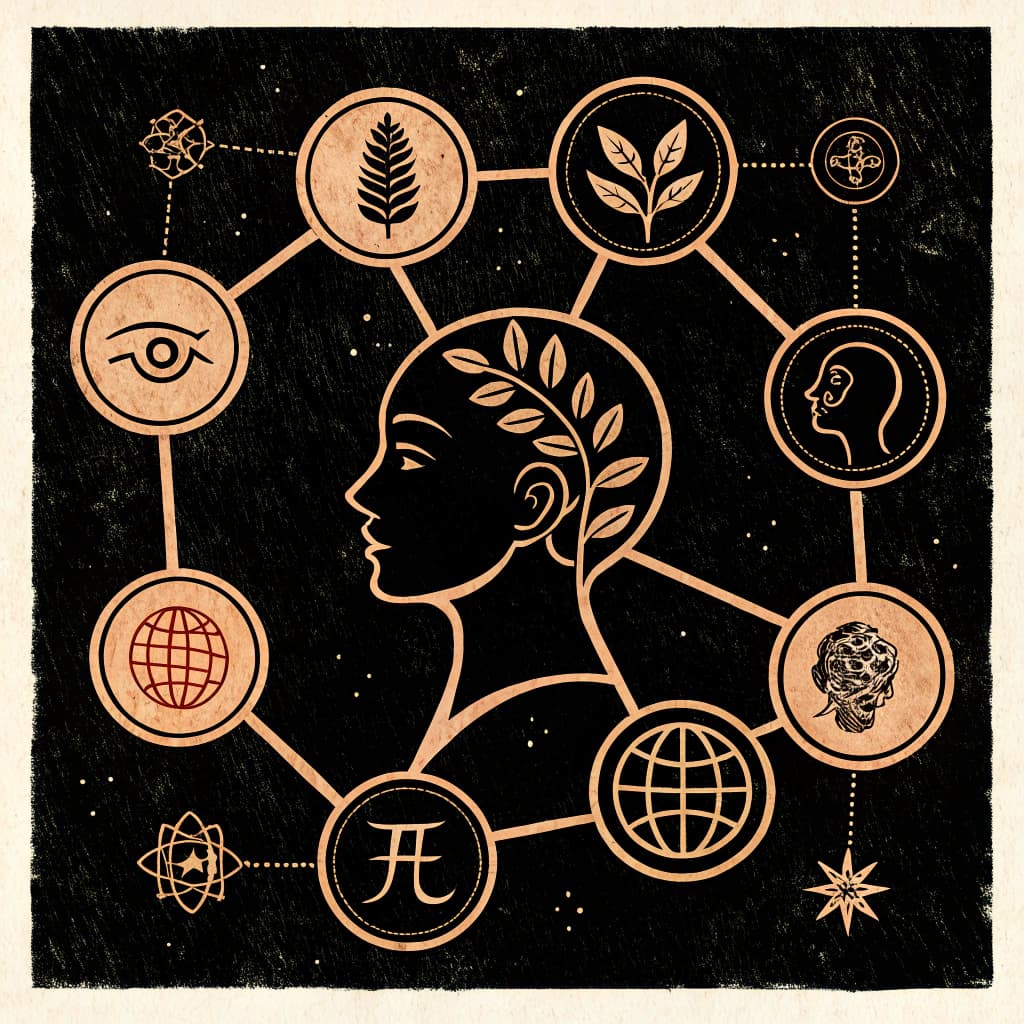
Concept Mapping
Students organise key concepts from the lesson into a visual map, drawing labelled arrows to show how ideas connect, building the relational understanding that board examination analysis questions demand.

Peer Teaching
Students teach each other to consolidate understanding, highly effective in large Indian classrooms and directly aligned with NEP 2020 competency goals and NCERT's shift toward active learning.
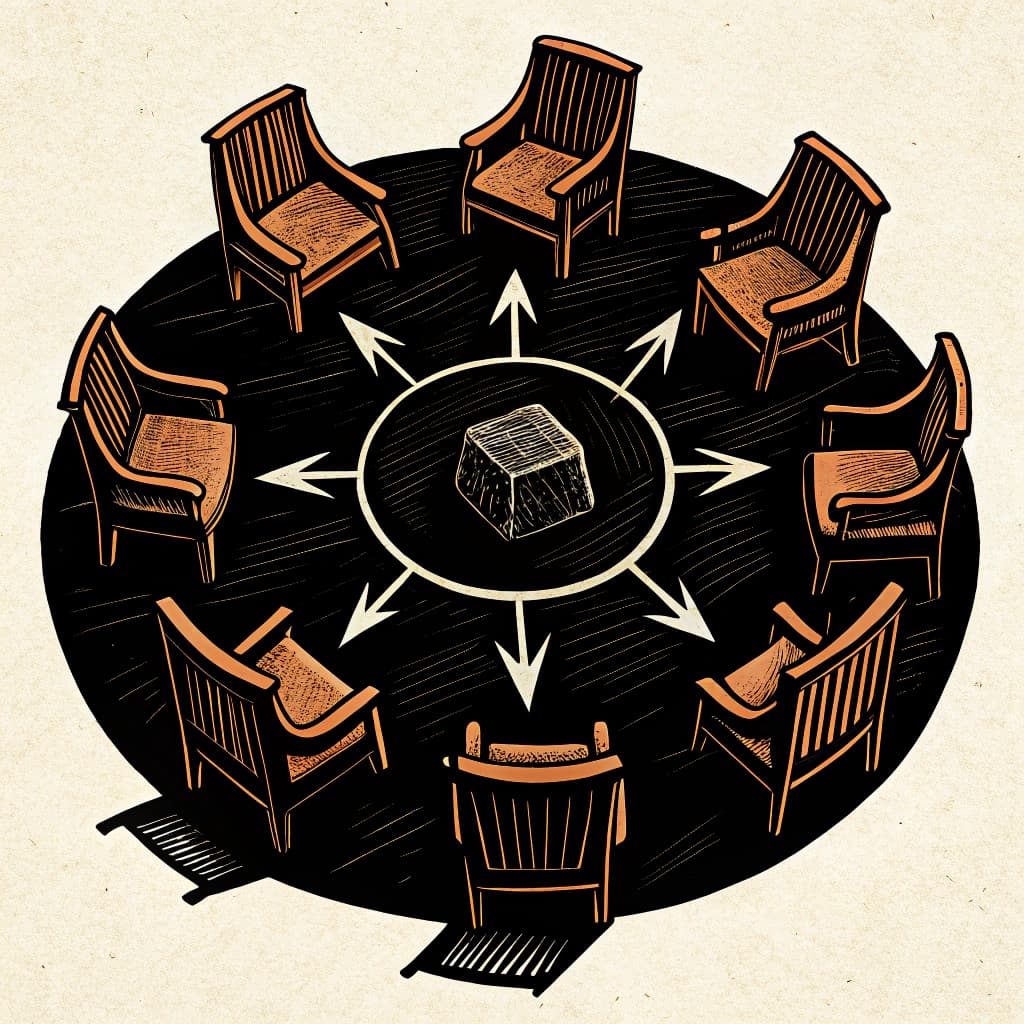
Round Robin
Sequential peer sharing that ensures every student contributes, adapted for Indian classrooms where large class sizes and board exam culture typically concentrate discussion among a few confident voices.
RAFT Writing
Students write from an assigned Role to a specific Audience in a chosen Format on a curriculum Topic, building analytical understanding that standard answer-writing cannot develop.
Decision Matrix
A structured framework for evaluating multiple options against weighted criteria, directly building the evaluative reasoning and evidence-based justification skills assessed in CBSE HOTs questions, ICSE analytical papers, and NEP 2020 competency frameworks.

Inquiry Circle
Student-led research groups investigating curriculum questions through evidence, analysis, and structured synthesis, aligned to NEP 2020 competency goals.
Walk and Talk
Students discuss academic concepts in pairs while walking, combining movement with peer dialogue to deepen understanding and build the communication skills assessed in board examinations.
Placemat Activity
A structured cooperative activity where students in each group write individually in assigned sections before reaching a shared synthesis in the centre, ensuring every voice is captured before group discussion begins.
Give One, Get One
A structured peer exchange where every student gives one idea and receives one in return, active, equitable, and effective in classes of 30 to 50.
Save the Last Word
A structured discussion protocol where students select a passage from a prescribed text, listen to peers analyse it, then deliver a final uninterrupted response, building critical literacy and equitable participation across all board curricula.

Trading Cards
Students create and exchange knowledge cards to synthesise curriculum content, effective across CBSE, ICSE, and state board classrooms from Class 4 upwards.

Press Conference
Students take on expert roles to answer spontaneous journalist questions, building the analysis and oral communication skills assessed in board examinations.
Timeline Challenge
Students sequence scrambled event cards and argue for causal connections, building chronological reasoning skills aligned with NEP 2020 competency goals across CBSE, ICSE, and state board syllabi.
Project-Based Learning
Student-led inquiry into real-world challenges, mapped to your board syllabus and NEP 2020 competency goals.
Problem-Based Learning
Students solve a complex, real-world problem to discover curriculum concepts, anchored in Indian classroom contexts and aligned to CBSE, ICSE, and state board syllabi.
Flipped Classroom
Move direct instruction to home preparation and use class time for application, discussion, and problem-solving, aligned to NEP 2020 and board exam competency demands.
Experiential Learning
Learning through doing and structured reflection, aligned to NEP 2020 and competency-based education across CBSE, ICSE, and state boards.

Collaborative Problem-Solving
Students work in groups to solve complex, curriculum-aligned problems that no individual could resolve alone, building subject mastery and the collaborative reasoning skills now assessed in NEP 2020-aligned board examinations.

Learning Contracts
Formal agreements between teacher and student defining personalised learning goals, resources, and assessment criteria, adapted for CBSE, ICSE, and state board classrooms under NEP 2020.
Plan-Do-Review
Daily routine: the child plans, does, then recalls with the didi

Three-Period Lesson
Montessori vocabulary ritual: "This is X" / "Show me X" / "What is this?"
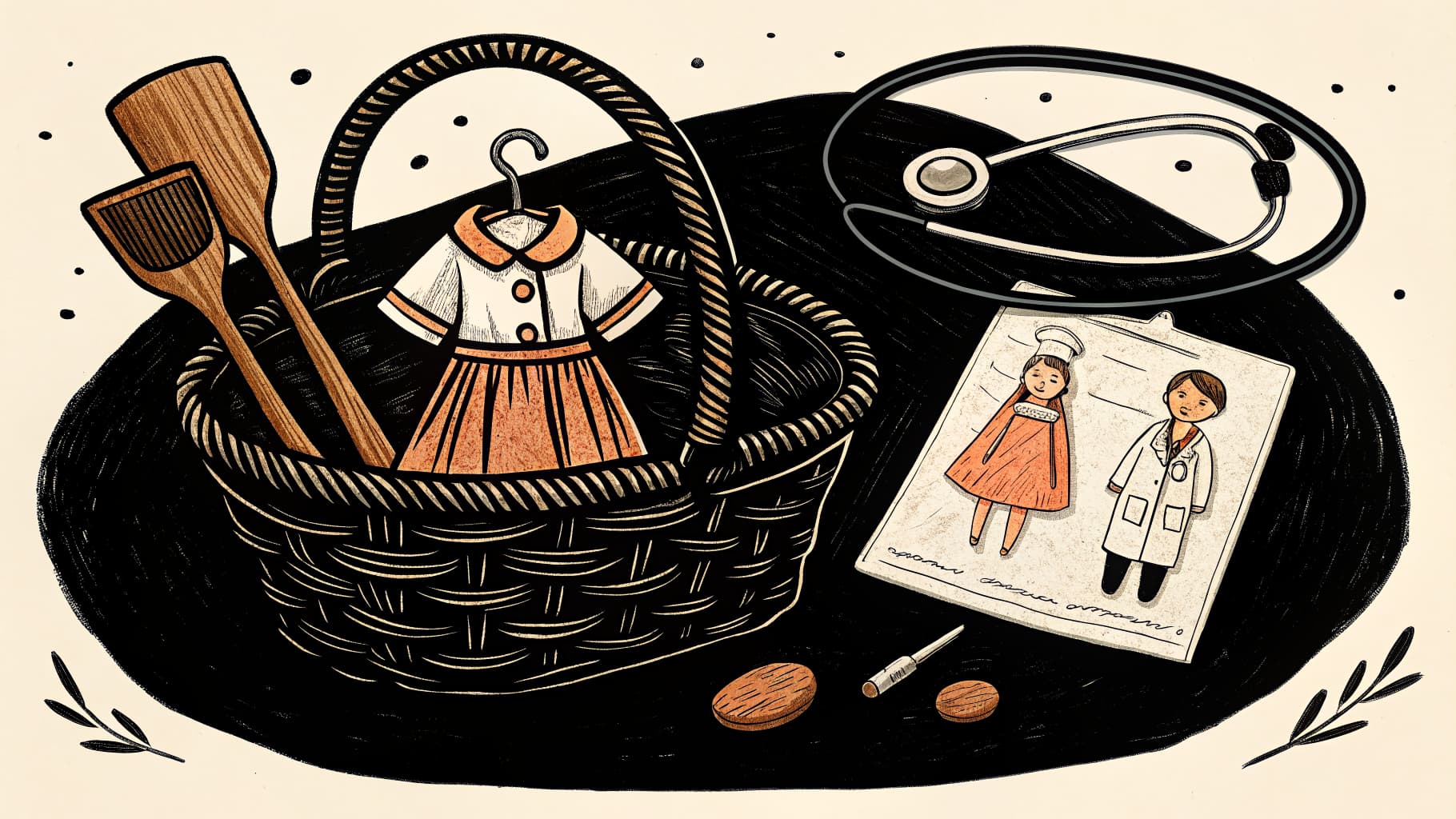
Play Planning
Child draws or dictates a play plan, then enacts it as dramatic play
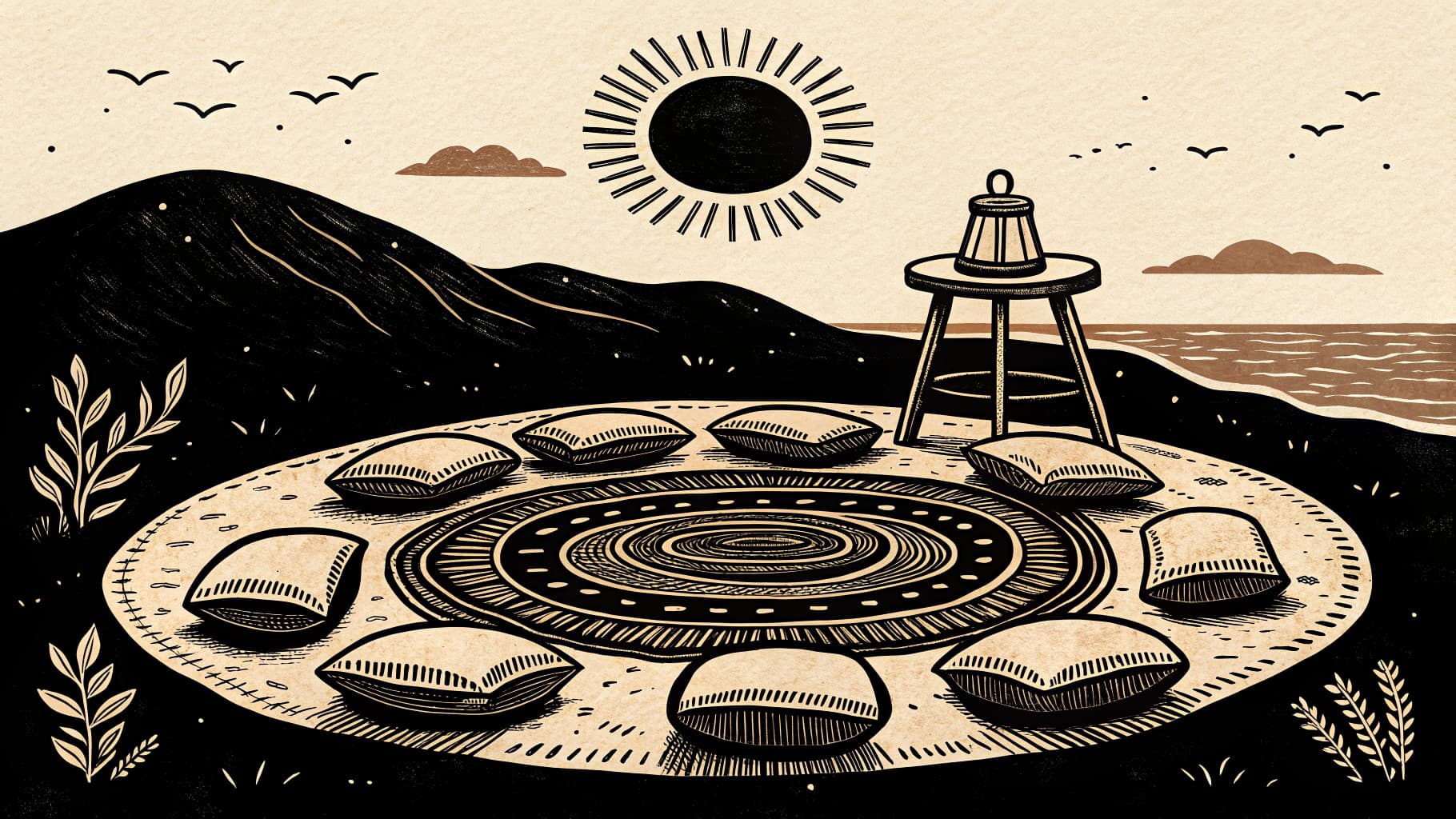
Morning Circle
Daily rhythmic gathering: greeting, song, calendar, weather, day-plan preview

Progettazione (Reggio Investigation)
Reggio emergent investigation: launch a question that drives multi-day investigation
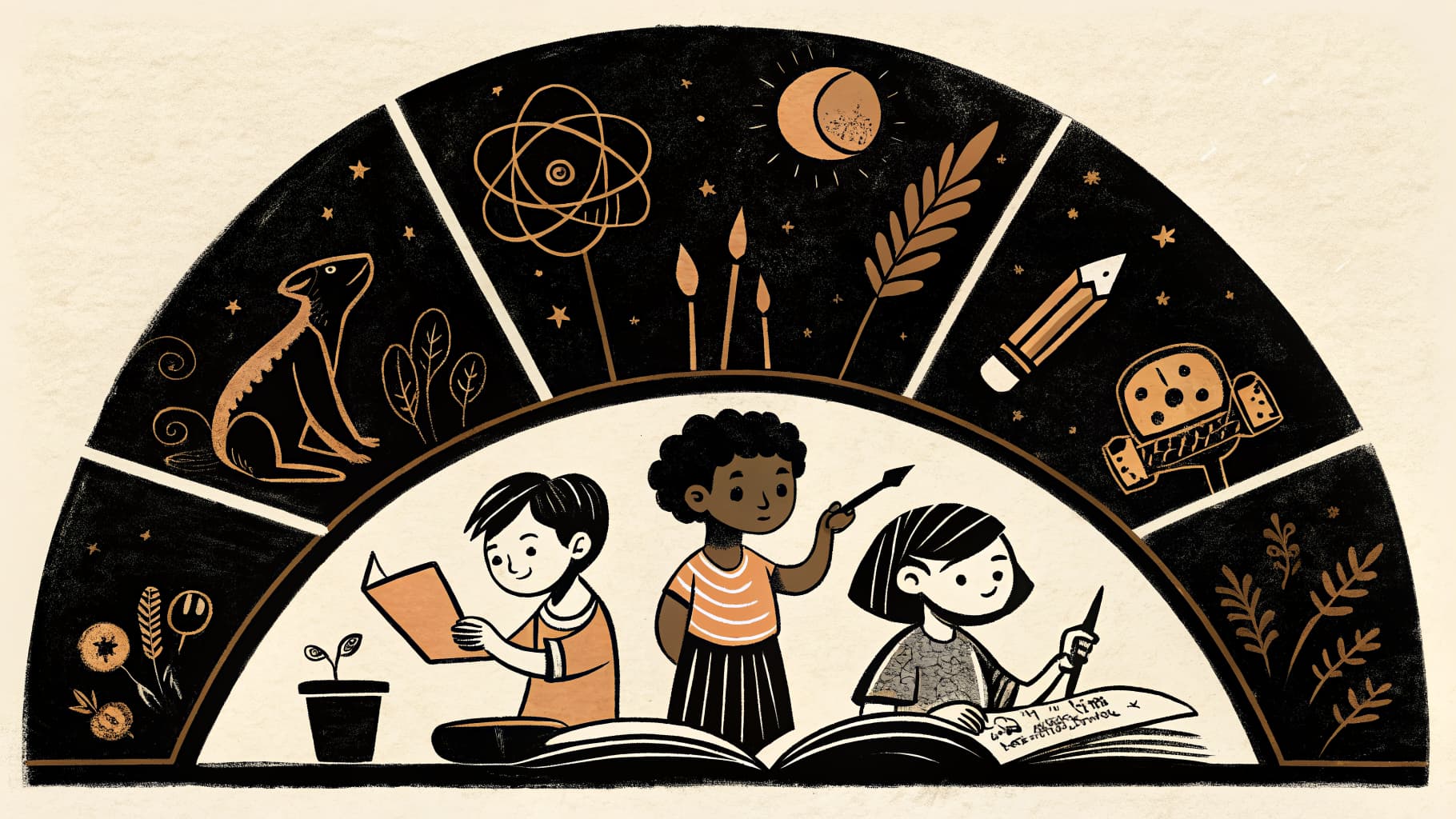
Hundred Languages
Re-represent one concept across 2 to 3 child-chosen "languages" (clay, paint, body, sound)
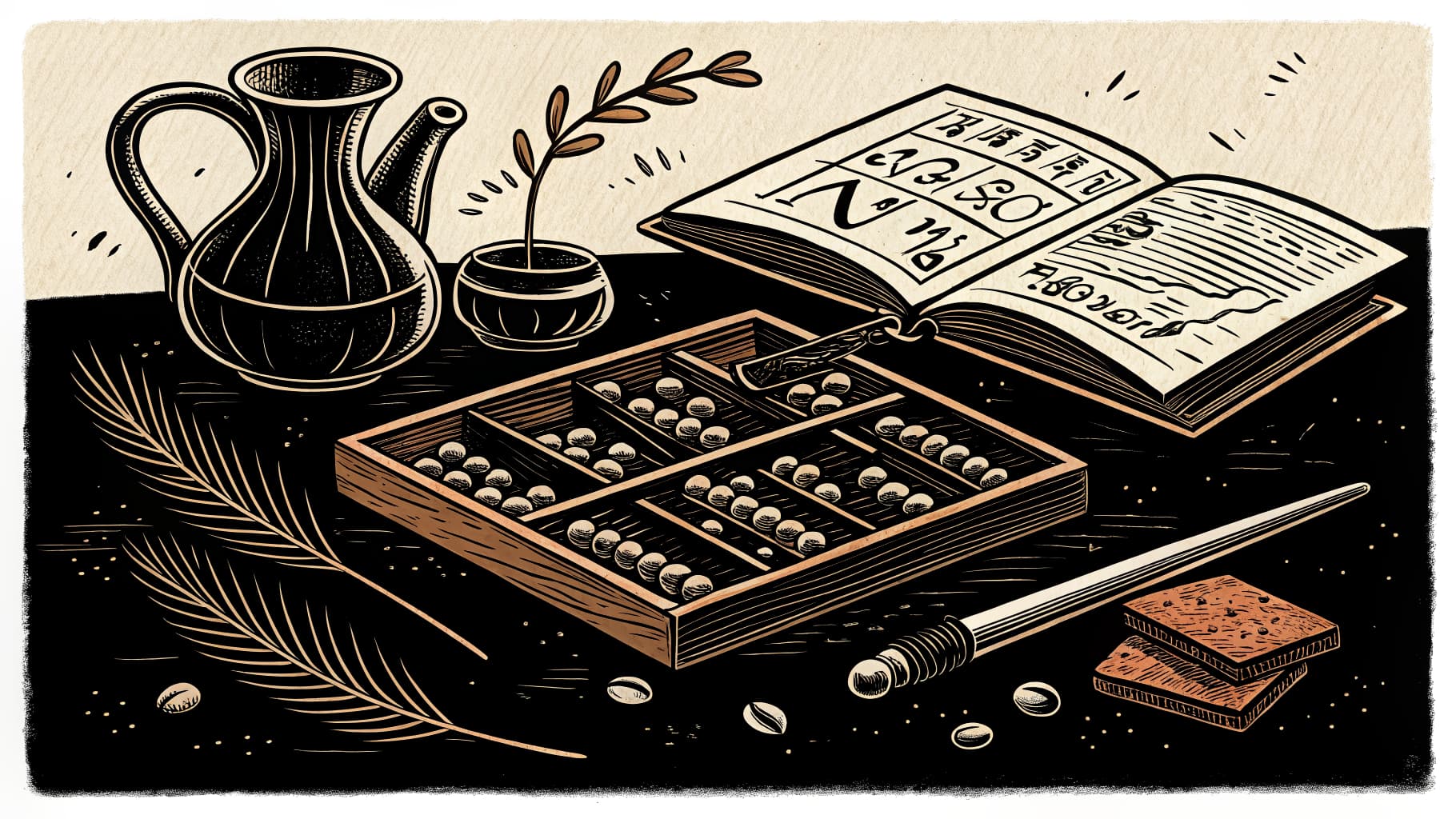
Practical Life Work
Real (small) tools for purposeful tasks: pouring, buttoning, sweeping, slicing
Outdoor Investigation Session
Repeated-site outdoor exploration with a wonder question
Inquiry-Based Learning
Five-phase scientific investigation: Engage, Explore, Explain, Elaborate, Evaluate
Service Learning
Academic learning combined with structured community service and reflection

Reciprocal Teaching
Four reading-comprehension moves practiced in rotating roles: Predict, Question, Clarify, Summarise
Maker Learning
Tangible artefact construction: Imagine, Plan, Build, Test, Iterate
Socio-Scientific Issues
Engagement with current contested science topics that mix evidence and values
Numbered Heads Together
Cooperative Kagan structure with individual accountability via random reporter

Reciprocal Questioning
Students question the teacher first, inverting the typical dynamic
Mystery Object
Inductive reasoning from a tangible artefact toward identification
Which one should I run tomorrow?
A short decision helper.
Pick the question closest to your situation. We’ll suggest a method.
“I want every student to say something, not just the extroverts.”
Try Chalk Talk. A silent-first method equalises participation. Every student writes before anyone speaks.
See Chalk Talk“I need to cover dense content in one period.”
Try Jigsaw. Splits a topic into parts; each student learns one and teaches the others. Covers 4× content in the same time.
See Jigsaw“I want students to examine evidence, not just read about it.”
Try Document Mystery. Students investigate primary sources and reconstruct meaning themselves. Great for history, science, media.
See Document MysteryNot seeing the method you run?
Got a methodology in mind? Suggest it.