United Kingdom · National Curriculum Attainment Targets
Year 9 History
Key Stage 3 History Year 9: covering the making of the modern world from the Industrial Revolution through the twentieth century, aligned with UK National Curriculum attainment targets.
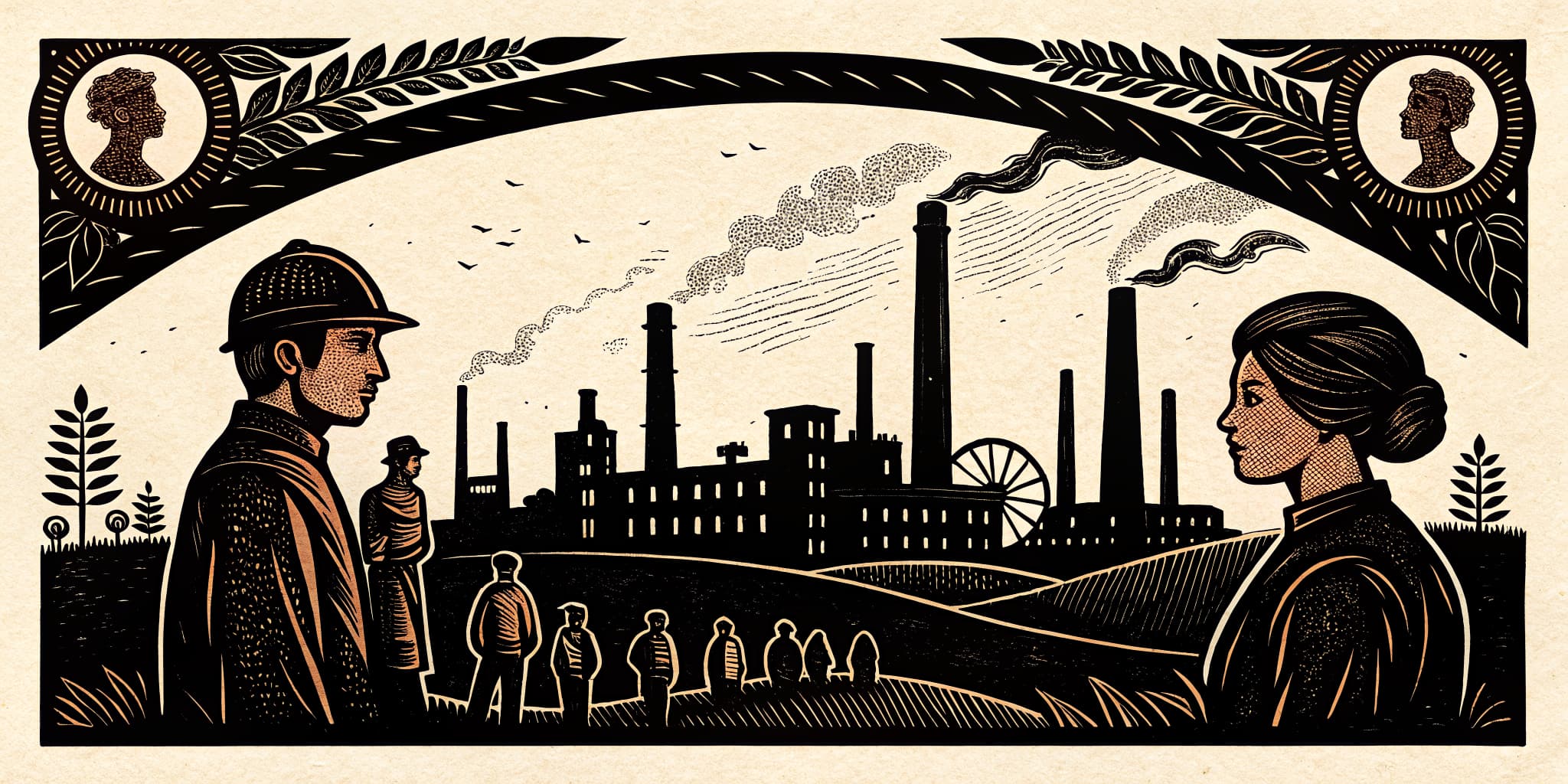
01The Industrial Revolution & Victorian Britain
Britain as the workshop of the world: technological innovation, urbanisation, and the birth of the modern working class.
Students will analyze the unique combination of geographical, economic, and political factors that made Britain the first industrial nation.
Students will explore the key inventions in textiles and steam power, understanding their impact on production and society.
Students will investigate the shift from cottage industries to factory production, examining its economic and social implications.
Students will investigate the rapid growth of industrial cities, focusing on the challenges of overcrowding and sanitation.
Students will examine primary sources to understand the realities of child labour and the arguments for and against it.
Students will explore early forms of resistance to industrialisation, including machine-breaking and agricultural unrest.
Students will investigate the Chartist demands for political reform and evaluate their methods and ultimate impact.
Students will examine the key Factory Acts and other early legislation aimed at improving working conditions.
Students will explore the development of canals and railways and their transformative impact on trade, travel, and society.
Students will investigate the rigid class structure and evolving gender roles in Victorian Britain, from aristocracy to the working poor.
Students will examine the Victorian responses to poverty, including the Poor Law, workhouses, and charitable efforts.
Students will explore key scientific advancements and medical breakthroughs of the Victorian era, such as Darwin's theory and public health reforms.
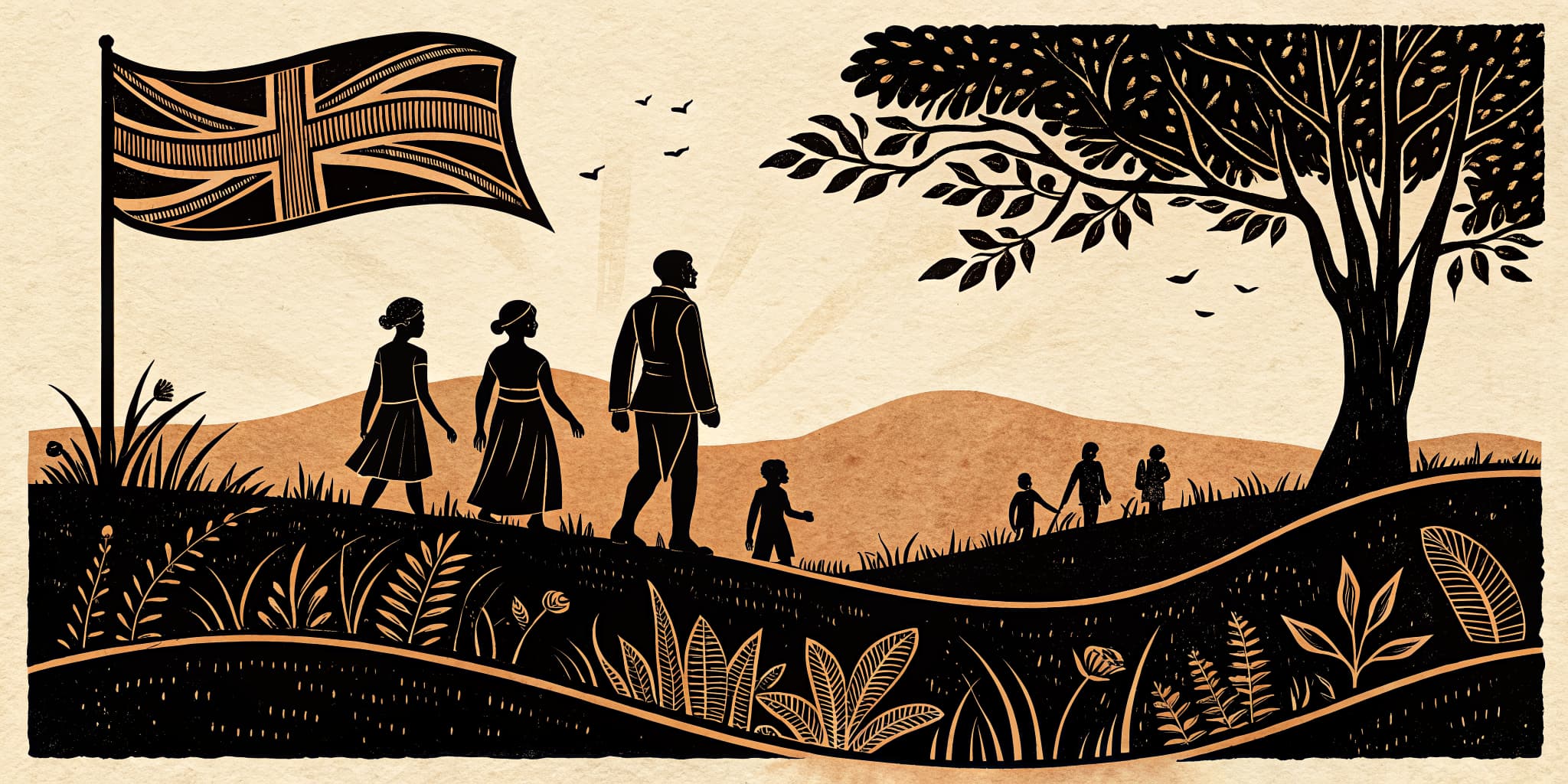
02The British Empire and Slavery
The rise and reach of the largest empire in history, encompassing trade, conquest, resistance, and the legacy of the slave trade.
Students will explore the brutal realities of the Middle Passage and the harsh conditions of plantation slavery in the Caribbean.
Students will investigate various forms of resistance by enslaved people, from individual acts to large-scale rebellions.
Students will examine the campaign to end slavery, focusing on key figures, arguments, and strategies of British abolitionists.
Students will study the causes, events, and consequences of the 1857 Rebellion, and its impact on British rule in India.
Students will explore the social, economic, and cultural impacts of direct British rule in India, both positive and negative.
Students will investigate the motivations and methods behind the European 'Scramble for Africa' and its impact on the continent.
Students will examine British imperial ambitions in China, focusing on the Opium Wars and their impact on Chinese sovereignty.
Students will explore the diverse experiences of people living under British colonial rule in different parts of the world.
Students will evaluate the lasting impacts of the British Empire on both Britain and its former colonies, considering both positive and negative legacies.
Students will analyze the underlying causes of the First World War, focusing on Militarism, Alliances, Imperialism, and Nationalism.
Students will investigate the immediate trigger of WWI and the 'July Crisis' that followed.
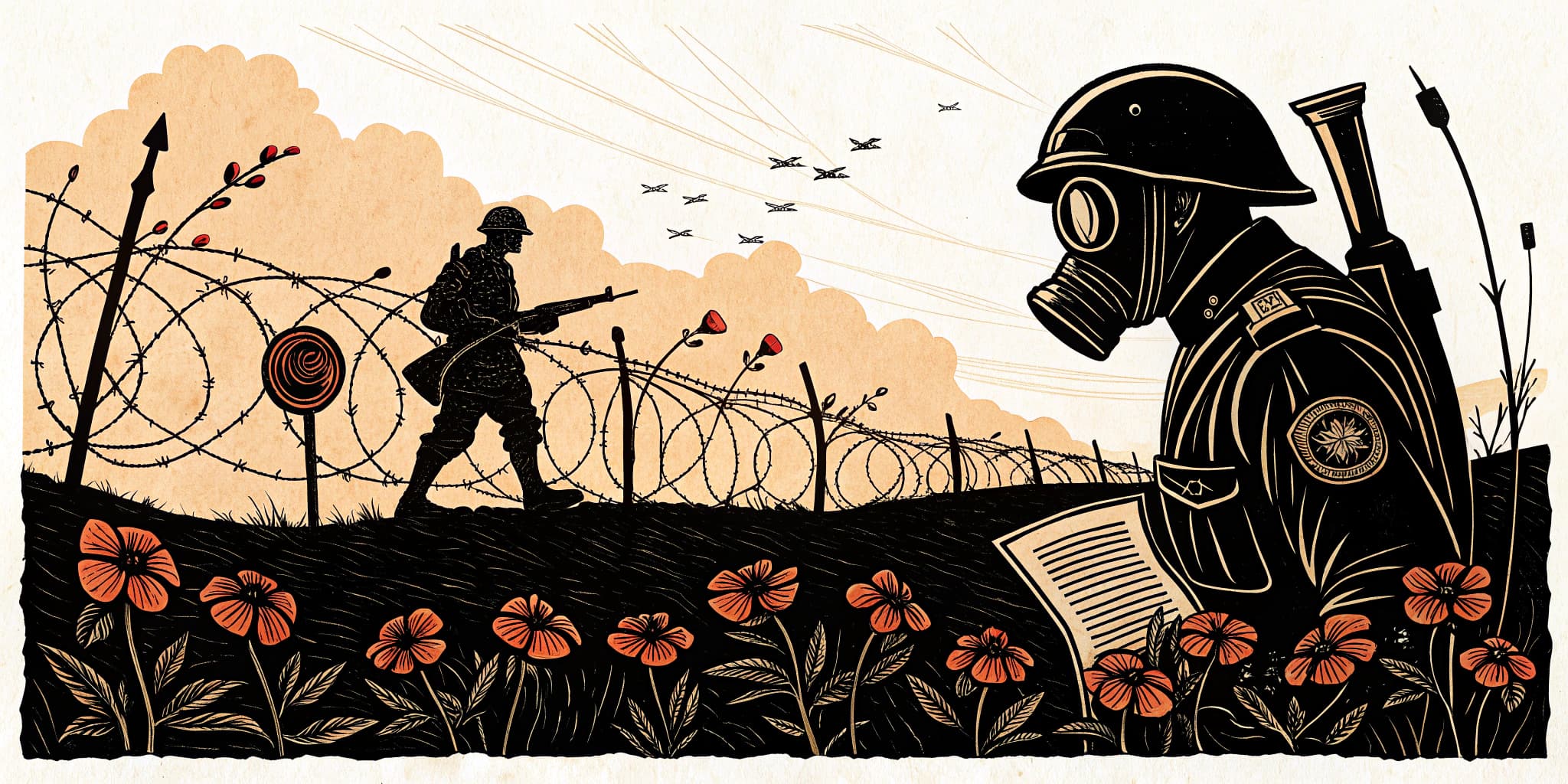
03The First World War
The war that shattered empires and a generation, tracing events from the trenches to the reshaping of the world order.
Students will conduct a case study of the Battle of the Somme, examining its planning, execution, and historical interpretations.
Students will explore the conflict beyond the Western Front, including campaigns in Gallipoli and the Middle East.
Students will investigate the reasons for the United States' entry into the First World War and its impact on the conflict.
Students will examine the final offensives of WWI, the collapse of the Central Powers, and the signing of the Armistice.
Students will analyze the terms of the Treaty of Versailles and its impact on Germany and the post-war international order.
Students will explore the creation of the League of Nations, its aims, and its early successes and failures in maintaining peace.
Students will explore the social and cultural transformations in Britain and the West during the 1920s.
Students will investigate the causes of the 1929 Wall Street Crash and its devastating economic and social impact globally and in Britain.
Students will examine the conditions that led to the rise of Benito Mussolini and the establishment of a fascist regime in Italy.
Students will explore the establishment and struggles of Germany's first democratic republic after WWI.
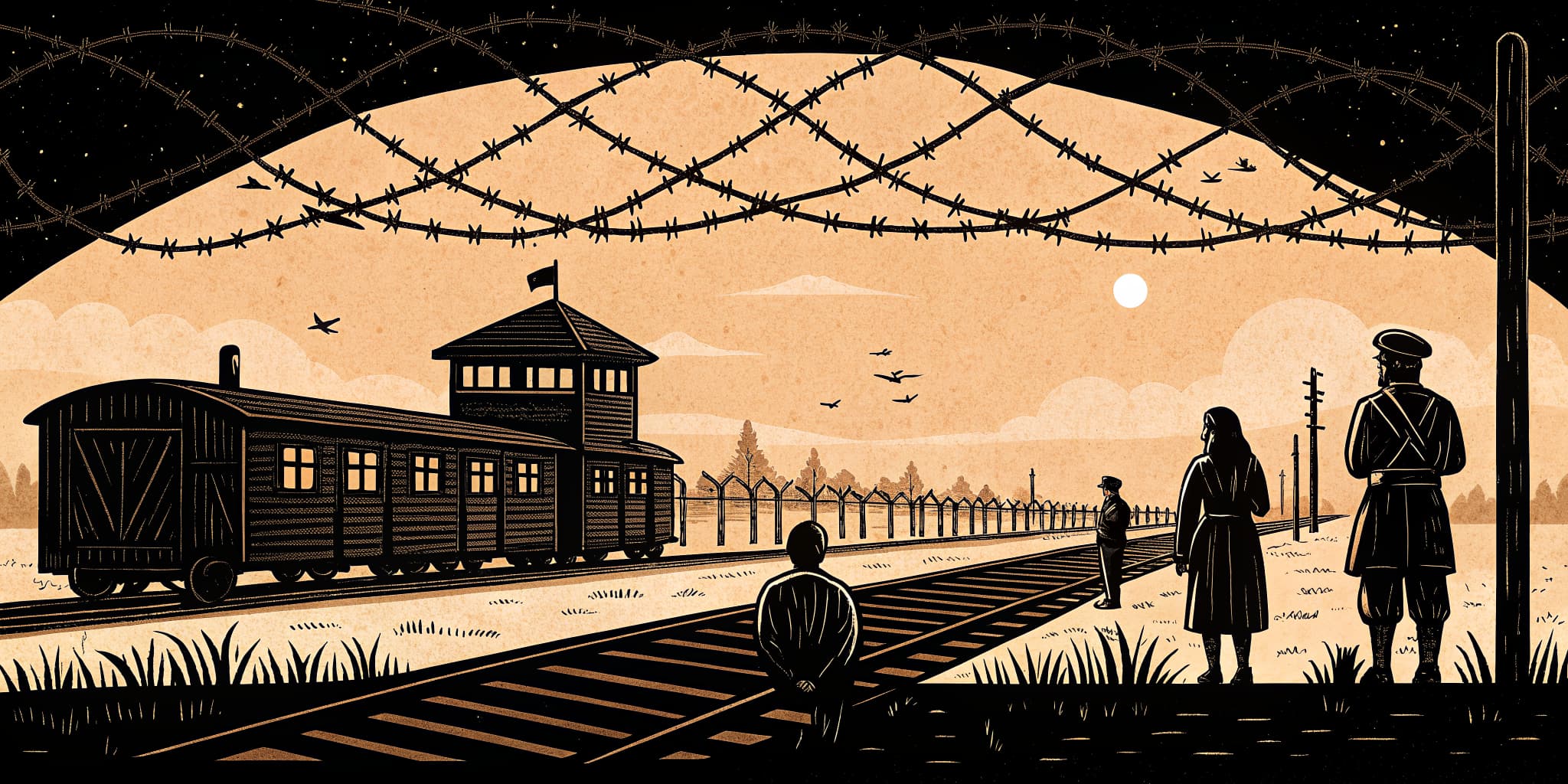
05The Second World War and the Holocaust
The deadliest conflict in human history and the systematic genocide of the Jewish people.
Students will examine the immediate causes of the Second World War, focusing on Nazi expansionism and the invasion of Poland.
Students will study the German 'Blitzkrieg' strategy and its devastating effectiveness in the early stages of WWII, leading to the fall of France.
Students will investigate the Dunkirk evacuation, its strategic importance, and its impact on British morale.
Students will examine the air battle over Britain in 1940, focusing on the RAF's victory and its prevention of a Nazi invasion.
Students will trace the escalation of Nazi persecution of Jewish people from discrimination to the 'Final Solution' and industrialised murder.
Students will investigate the impact of the Blitz on British cities and the experiences of civilians during wartime bombing raids.
Students will explore the system of rationing in Britain during WWII and its broader social consequences.
Students will analyze the strategic significance of the Battles of Stalingrad and El Alamein as key turning points in the European and North African theatres.
Students will study the planning and execution of the D-Day landings and their role in the liberation of Western Europe.
Students will explore the war in the Pacific, focusing on key events like Pearl Harbor and the atomic bombings of Japan.
Students will examine the final defeat of the Axis powers, the liberation of concentration camps, and the immediate post-war challenges.
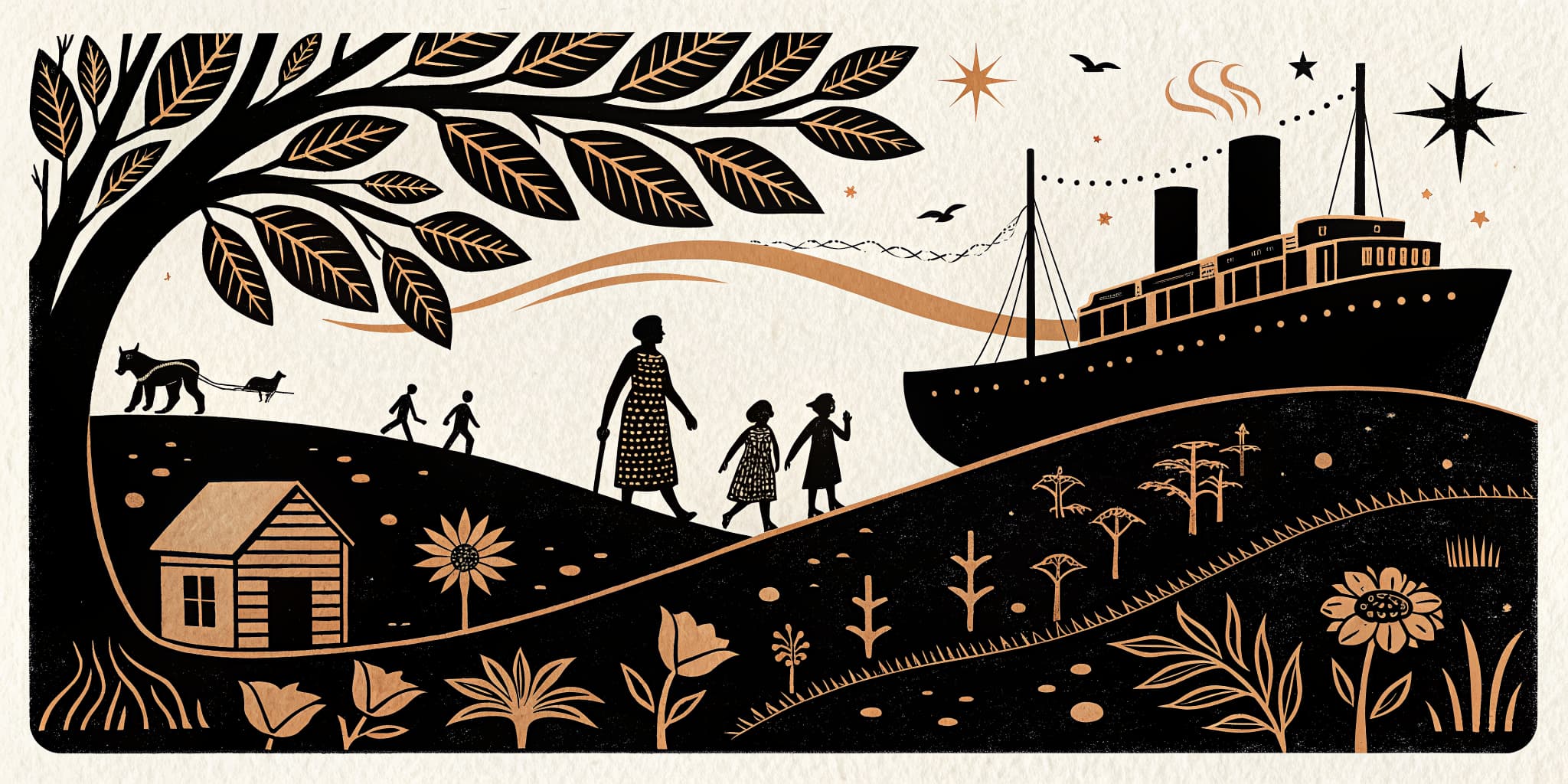
06Post-War Britain: Welfare and Windrush
The creation of the NHS, the end of Empire, and the arrival of the Windrush generation.
Students will explore the broader process of British withdrawal from its African and Caribbean colonies.
Students will investigate the origins of the Cold War, focusing on the division of Europe and the Berlin Blockade.
Students will examine the formation of NATO and the impact of nuclear weapons on Cold War strategy and British society.
Students will study the 1956 Suez Crisis and its profound impact on Britain's global standing.
Students will explore the emergence of new youth cultures, music, and social movements in Britain during the 1960s.
Students will investigate the development of civil rights activism in Britain, focusing on racial equality and anti-discrimination efforts.
Students will investigate the historical roots of the conflict in Northern Ireland and the escalation of violence in the late 1960s and 1970s.
Students will examine the long road to peace in Northern Ireland, culminating in the Good Friday Agreement.
Students will explore the economic and social challenges faced by Britain in the 1970s, including industrial unrest and the 'Winter of Discontent'.
Students will investigate the key economic and social policies of Margaret Thatcher's government and their impact.
Students will conduct a case study of the Miners' Strike, examining its causes, events, and lasting legacy.
Students will study the 1982 Falklands War, its origins, conduct, and impact on British politics and national identity.
Students will explore Britain's complex relationship with European integration, from joining the EEC to early debates about sovereignty.