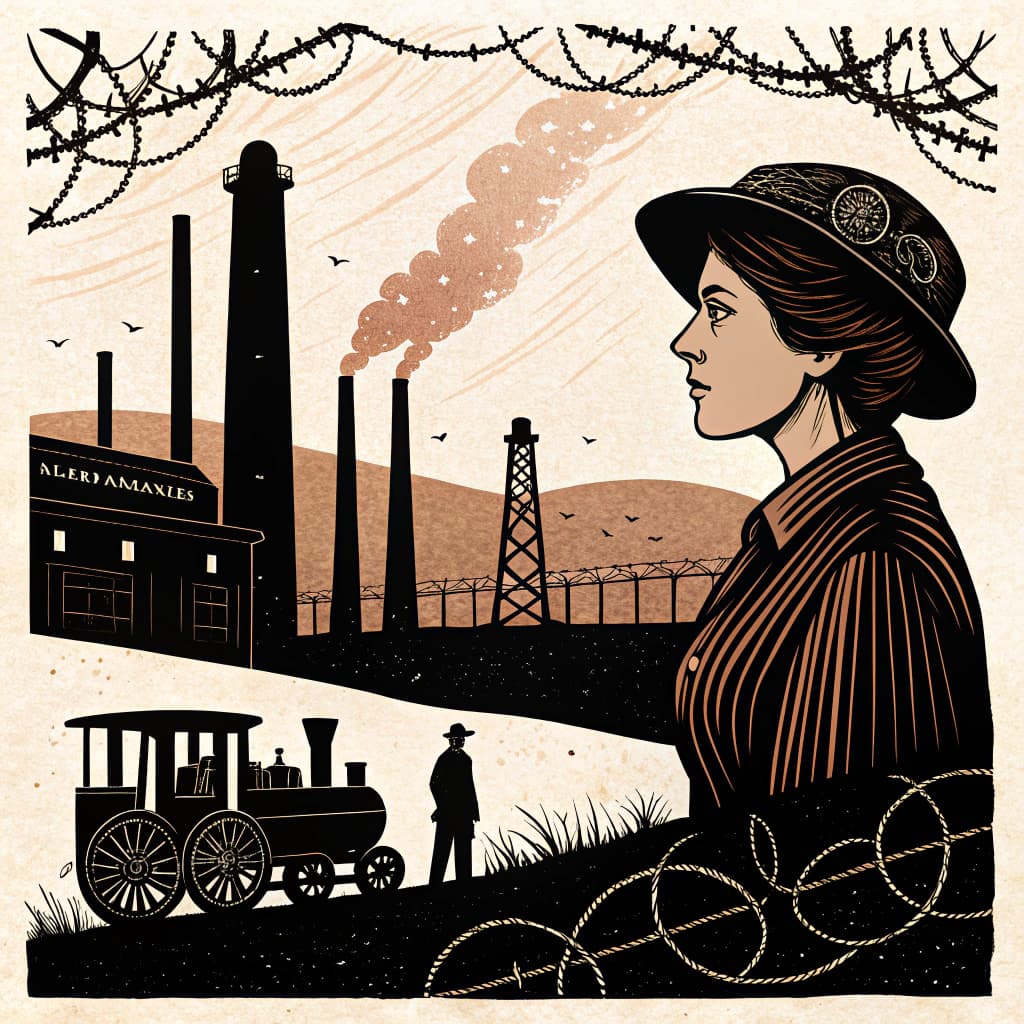
The Rise of the Factory System
Students will investigate the shift from cottage industries to factory production, examining its economic and social implications.
TL;DR:Active learning helps Year 9 students grasp the factory system’s human and economic dimensions beyond dates and names. When students debate reforms, analyze sources, or role-play daily life, they connect technological change to real people’s struggles and gains, making the abstract concrete and memorable.
About This Topic
The Rise of the Factory System revolutionized production during the Industrial Revolution, shifting from cottage industries in homes to centralized factories powered by water wheels and steam engines. Year 9 students examine pioneers like Richard Arkwright, whose water frame enabled mass textile production, and the economic gains from division of labor and mechanization. They weigh advantages such as cheaper goods and job creation against social costs like 12- to 16-hour days, child exploitation, and urban squalor.
This topic fits KS3 History standards on the Industrial Revolution, 1745-1901, focusing on industry and empire. Students tackle key questions by comparing factory and domestic work, analyzing changes to family life and leisure, and evaluating progress versus human suffering through primary sources like Sadler's Committee reports and factory acts.
Active learning benefits this topic greatly. Role-plays of factory shifts or debates on reforms immerse students in the era's tensions, build empathy for workers, and sharpen skills in causation and significance. Hands-on models of machinery or source sorting make abstract shifts concrete and memorable.
Key Questions
- Explain the advantages and disadvantages of the factory system compared to domestic production.
- Analyze how the factory system changed the nature of work and daily life.
- Evaluate the immediate economic benefits and social costs of industrial factory growth.
Learning Objectives
- Compare the efficiency and output of cottage industries versus early factories using provided production data.
- Analyze the impact of the factory system on the daily routines and family structures of working-class people.
- Evaluate the immediate economic benefits of factory production against the social costs experienced by factory workers.
- Explain the role of new technologies, such as the steam engine and power loom, in enabling the factory system.
Before You Start
Why: Students need a foundational understanding of how goods were produced and how society was structured before the widespread adoption of factories.
Why: Knowledge of inventions like the spinning jenny, water frame, and steam engine is essential for understanding the technological basis of the factory system.
Key Vocabulary
| Cottage Industry | A system of manufacturing where work is done in people's homes, often on a part-time basis, using hand tools or simple machines. |
| Factory System | A method of manufacturing using machinery and division of labor in a centralized building, powered by new energy sources like steam. |
| Division of Labor | The assignment of different parts of a manufacturing process or task to different people in order to improve efficiency. |
| Mechanization | The introduction of machines or automatic devices into a process, activity, or place. |
| Urbanization | The process by which towns and cities are formed and become larger as more people begin living and working in central areas. |
Watch Out for These Misconceptions
Common MisconceptionThe factory system improved life for all workers right away.
What to Teach Instead
Most faced low pay, injuries, and harsh discipline before reforms. Role-plays let students experience shifts, revealing disparities, while group wage comparisons correct rosy views and highlight gradual changes.
Common MisconceptionFactories only transformed the textile industry.
What to Teach Instead
Impacts spread to iron, coal, and pottery; students overlook this breadth. Mapping activities in small groups trace industry growth, using timelines to connect sectors and show widespread economic shifts.
Common MisconceptionNo one opposed the factory system.
What to Teach Instead
Reformers like Robert Owen pushed back early. Debates expose varied viewpoints, with source analysis helping students identify critics and appreciate contested progress through peer discussions.
Active Learning Ideas
See all activities→Simulation Game
Small Groups: Factory Debate Prep
Divide class into groups to research advantages or disadvantages using provided sources like wage tables and worker accounts. Groups create posters with evidence and present arguments. Class votes on overall impact after rebuttals.
Simulation Game
Pairs: Source Comparison Walk
Pairs receive images and extracts of cottage industry versus factories. They annotate changes in work conditions and tools, then gallery walk to view peers' work. Discuss findings as a class.
Simulation Game
Whole Class: Human Timeline
Assign students key events, inventions, and reforms like the 1833 Factory Act. They position themselves chronologically, link impacts with string or arrows, and narrate connections. Adjust positions based on class input.
Real-World Connections
- Modern fast fashion brands operate on principles derived from the factory system, utilizing global supply chains and division of labor to produce large volumes of clothing at low costs, mirroring the mass production innovations of the Industrial Revolution.
- The operation of large distribution centers, such as those run by Amazon, employs mechanization and specialized roles for workers, reflecting the organizational structure pioneered by early factories.
- The debate over working conditions and wages in global manufacturing hubs today echoes the social costs and economic benefits discussed in relation to the rise of the factory system in 19th century Britain.
Assessment Ideas
Provide students with two short primary source excerpts: one describing life in a cottage industry, the other describing work in an early factory. Ask them to write one sentence comparing the working environment and one sentence comparing the potential output in each.
Display images of a pre-industrial home workshop and an early textile factory. Ask students to identify three key differences in the working conditions and technology shown in each image.
Pose the question: 'Was the factory system a step forward or backward for the average person in Britain during the Industrial Revolution?' Facilitate a class discussion, encouraging students to support their arguments with evidence about economic changes and social impacts.
Frequently Asked Questions
What were the key advantages and disadvantages of the factory system?
How did the factory system change daily life in Victorian Britain?
How can active learning help students understand the rise of the factory system?
What primary sources work best for teaching the factory system?
Planning templates for History
5E Model
The 5E Model structures lessons through five phases (Engage, Explore, Explain, Elaborate, and Evaluate), guiding students from curiosity to deep understanding through inquiry-based learning.
Unit PlannerThematic Unit
Organize a multi-week unit around a central theme or essential question that cuts across topics, texts, and disciplines, helping students see connections and build deeper understanding.
RubricSingle-Point Rubric
Build a single-point rubric that defines only the "meets standard" level, leaving space for teachers to document what exceeded and what fell short. Simple to create, easy for students to understand.
More in The Industrial Revolution & Victorian Britain
Britain's Industrial Head Start
Students will analyze the unique combination of geographical, economic, and political factors that made Britain the first industrial nation.
8 methodologies
Technological Innovations: Textiles & Steam
Students will explore the key inventions in textiles and steam power, understanding their impact on production and society.
8 methodologies
Urbanisation and Industrial Cities
Students will investigate the rapid growth of industrial cities, focusing on the challenges of overcrowding and sanitation.
8 methodologies
Child Labour in Factories and Mines
Students will examine primary sources to understand the realities of child labour and the arguments for and against it.
8 methodologies
Early Working-Class Protest: Luddites & Swing Riots
Students will explore early forms of resistance to industrialisation, including machine-breaking and agricultural unrest.
8 methodologies
The Chartist Movement
Students will investigate the Chartist demands for political reform and evaluate their methods and ultimate impact.
8 methodologies