Urbanisation and Industrial Cities
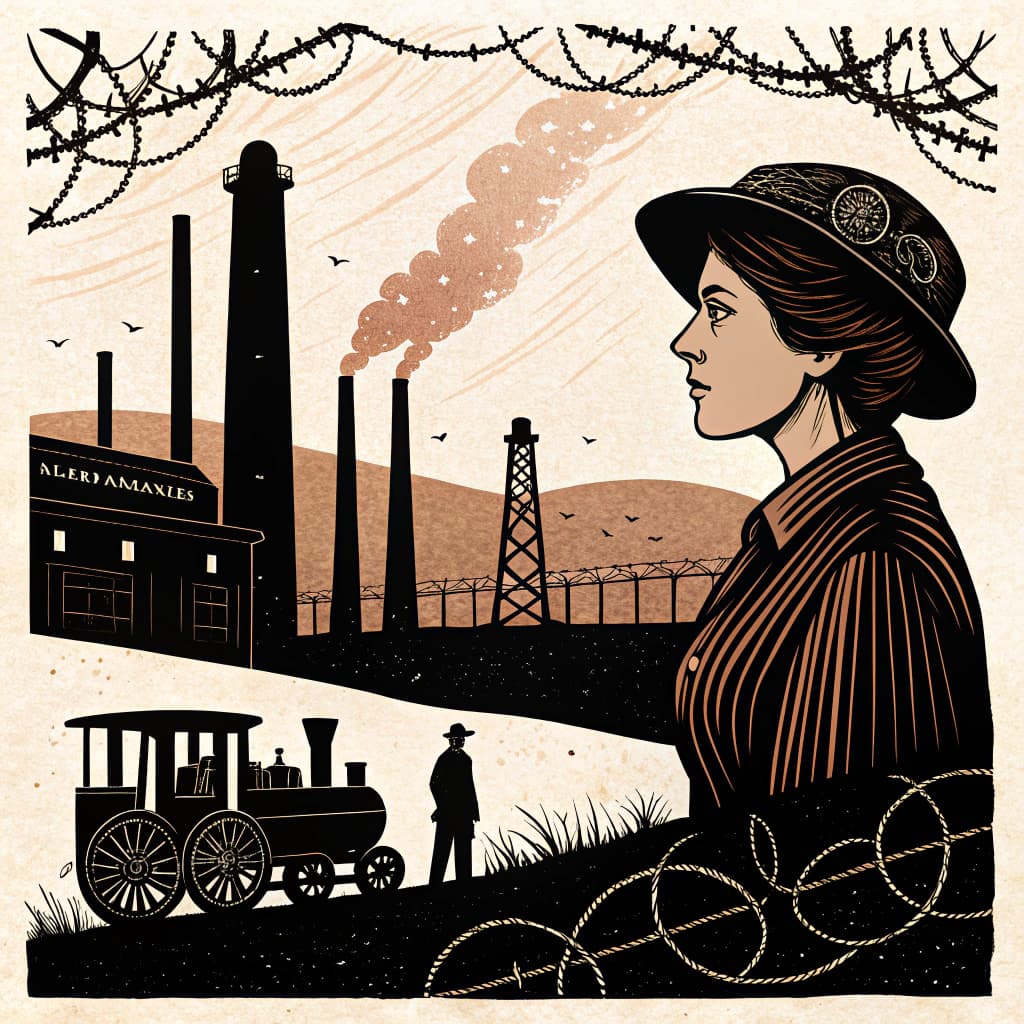
Students will investigate the rapid growth of industrial cities, focusing on the challenges of overcrowding and sanitation.
TL;DR:Active learning transforms abstract industrial concepts into tangible experiences. Students physically map railway lines, debate historical objections, and analyze primary sources, making the transport revolution’s social and economic impacts memorable. This hands-on engagement helps them grasp how infrastructure reshaped daily life across Britain.
About This Topic
The Transport Revolution covers the transformation of the British landscape through canals, macadamised roads, and, most significantly, the railways. Students investigate how steam power broke the 'speed limit' of the horse, allowing for the rapid movement of coal, fresh food, and people. The topic looks at the 'Railway Mania' of the 1840s and how it standardised time across the country, effectively shrinking the nation.
This topic is a gateway to understanding the economic integration of Britain. It links to the Industrial Revolution's need for raw materials and the Victorian era's obsession with progress. Students grasp this concept faster through structured discussion and peer explanation of how specific industries, like seaside tourism or the daily post, were born from these changes.
Key Questions
- Explain the push and pull factors that led to mass migration to industrial cities.
- Analyze the immediate social consequences of rapid urbanisation in Victorian Britain.
- Compare living conditions in industrial cities to pre-industrial rural life.
Learning Objectives
- Explain the push and pull factors that drove migration to industrial cities during the Victorian era.
- Analyze the immediate social consequences of rapid urbanisation, including overcrowding and sanitation issues.
- Compare and contrast living conditions in industrial cities with those in pre-industrial rural settings.
- Evaluate the impact of industrialisation on the physical landscape of British towns and cities.
Before You Start
Why: Students need to understand the changes in farming that led to increased food production and displaced rural workers, creating a 'push' factor for migration.
Why: Knowledge of the development of factories and the application of steam power is essential to understanding why people were drawn to industrial centres for work.
Key Vocabulary
| Urbanisation | The process by which towns and cities grow and become more populated, often due to people moving from rural areas. |
| Tenement | A block of flats or rooms, typically in a poor-quality building, where working-class families lived in crowded conditions. |
| Sanitation | The systems and services that deal with the disposal of sewage and waste water, which were often inadequate in rapidly growing industrial cities. |
| Infant Mortality Rate | The number of deaths of children under one year of age per 1,000 live births, which was extremely high in unsanitary urban areas. |
Watch Out for These Misconceptions
Common MisconceptionRailways were the only important part of the transport revolution.
What to Teach Instead
Canals were the 'heavy lifters' for decades before the railways, moving the coal that powered the early revolution. Using a 'transport timeline' activity helps students see the overlapping eras of water and rail.
Common MisconceptionEveryone welcomed the railways immediately.
What to Teach Instead
There was massive resistance from landowners, farmers (who feared cows would stop giving milk), and those in the coaching trade. Peer-led debates on 'The Railway Bill' can surface these historical anxieties.
Active Learning Ideas
See all activities→Inquiry Circle
Mapping the Network
Groups are given maps of Britain at 20-year intervals (1780, 1800, 1820, 1840). They must identify 'bottlenecks' in transport and propose where they would build a canal or railway to maximise profit.
Think-Pair-Share
The Death of Local Time
Students discuss the problems of every town having its own 'sun time' once trains started running on a schedule. They then explain to each other why 'Railway Time' was a necessary revolution.
Gallery Walk
Winners and Losers of the Rails
Stations feature different perspectives: a stagecoach driver, a fresh fish merchant, a canal owner, and a holidaymaker. Students collect evidence on how the railways affected each person's life.
Real-World Connections
- Public health inspectors today work to ensure safe water supplies and waste disposal in cities, a direct legacy of the sanitation crises faced in Victorian industrial centres like Manchester.
- Urban planners and architects design modern housing developments considering density, green spaces, and access to services, informed by the historical challenges of overcrowding and poor living conditions experienced by industrial city dwellers.
- The historical records of parish registers and census data from cities like Birmingham provide primary source evidence for historians studying the demographic shifts and social conditions of the Industrial Revolution.
Assessment Ideas
Provide students with three images: one of a rural pre-industrial village, one of a crowded tenement street, and one of a factory. Ask them to write one sentence explaining which image best represents the 'pull' factor of industrial cities and one sentence explaining a negative consequence of the conditions shown in the tenement image.
Pose the question: 'If you were a farmer in 1850, what would be the biggest reason to move to a city like Leeds, and what would be your biggest fear once you arrived?' Facilitate a class discussion, encouraging students to use key vocabulary and reference specific challenges like work opportunities versus disease.
Display a map of Victorian Britain showing major industrial cities. Ask students to identify two cities that likely experienced rapid growth and then list two specific problems associated with that growth, such as lack of clean water or inadequate housing.
Frequently Asked Questions
How did railways change the British diet?
Why was 'Railway Time' so controversial?
What was 'Railway Mania'?
How can active learning help students understand the impact of transport?
Planning templates for History
5E Model
The 5E Model structures lessons through five phases (Engage, Explore, Explain, Elaborate, and Evaluate), guiding students from curiosity to deep understanding through inquiry-based learning.
Unit PlannerThematic Unit
Organize a multi-week unit around a central theme or essential question that cuts across topics, texts, and disciplines, helping students see connections and build deeper understanding.
RubricSingle-Point Rubric
Build a single-point rubric that defines only the "meets standard" level, leaving space for teachers to document what exceeded and what fell short. Simple to create, easy for students to understand.
More in The Industrial Revolution & Victorian Britain
Britain's Industrial Head Start
Students will analyze the unique combination of geographical, economic, and political factors that made Britain the first industrial nation.
8 methodologies
Technological Innovations: Textiles & Steam
Students will explore the key inventions in textiles and steam power, understanding their impact on production and society.
8 methodologies
The Rise of the Factory System
Students will investigate the shift from cottage industries to factory production, examining its economic and social implications.
8 methodologies
Child Labour in Factories and Mines
Students will examine primary sources to understand the realities of child labour and the arguments for and against it.
8 methodologies
Early Working-Class Protest: Luddites & Swing Riots
Students will explore early forms of resistance to industrialisation, including machine-breaking and agricultural unrest.
8 methodologies
The Chartist Movement
Students will investigate the Chartist demands for political reform and evaluate their methods and ultimate impact.
8 methodologies