United States · Common Core State Standards
5th Grade Early American History
The story of America from its earliest inhabitants through the founding of a new nation. Students in 5th grade explore Indigenous civilizations, European exploration, colonial life, the American Revolution, and the creation of the Constitution.
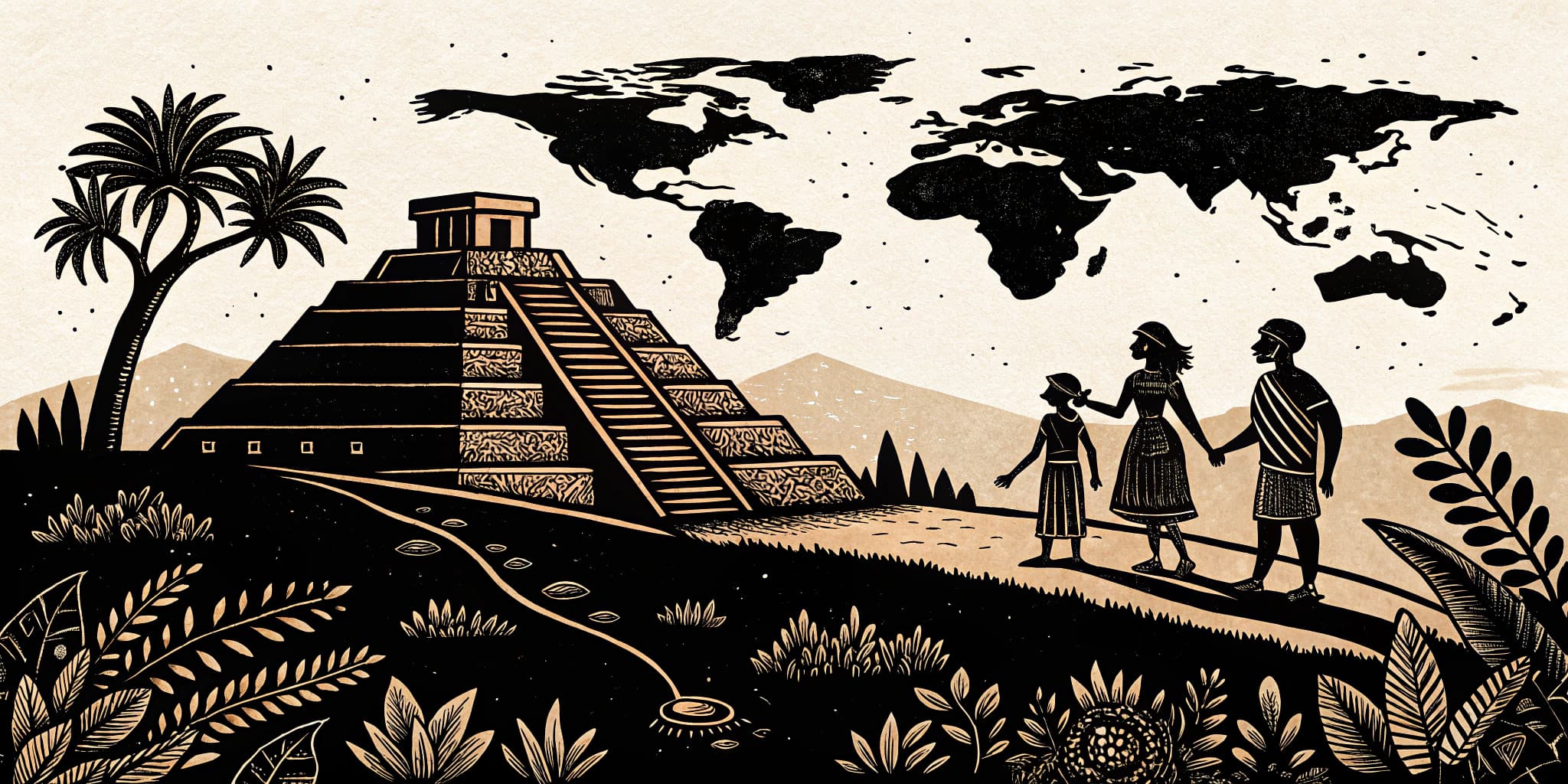
01Indigenous Americas
The rich and diverse civilizations that thrived across the Americas for thousands of years before European arrival.
Explore the theories of early human migration to the Americas and the development of hunter-gatherer societies.
Investigate the advanced urban planning, writing systems, and astronomical achievements of the Maya.
Examine the rise of the Aztec Empire, its social structure, religious practices, and engineering feats like Tenochtitlan.
Study the vast Inca road system, advanced agricultural techniques, and centralized government in the Andes.
Explore the varied cultures and adaptations of Indigenous nations across different North American regions.
Investigate complex governmental structures like the Iroquois Confederacy and the role of oral history.
Examine the initial encounters between Indigenous peoples and Europeans, focusing on differing viewpoints and immediate impacts.
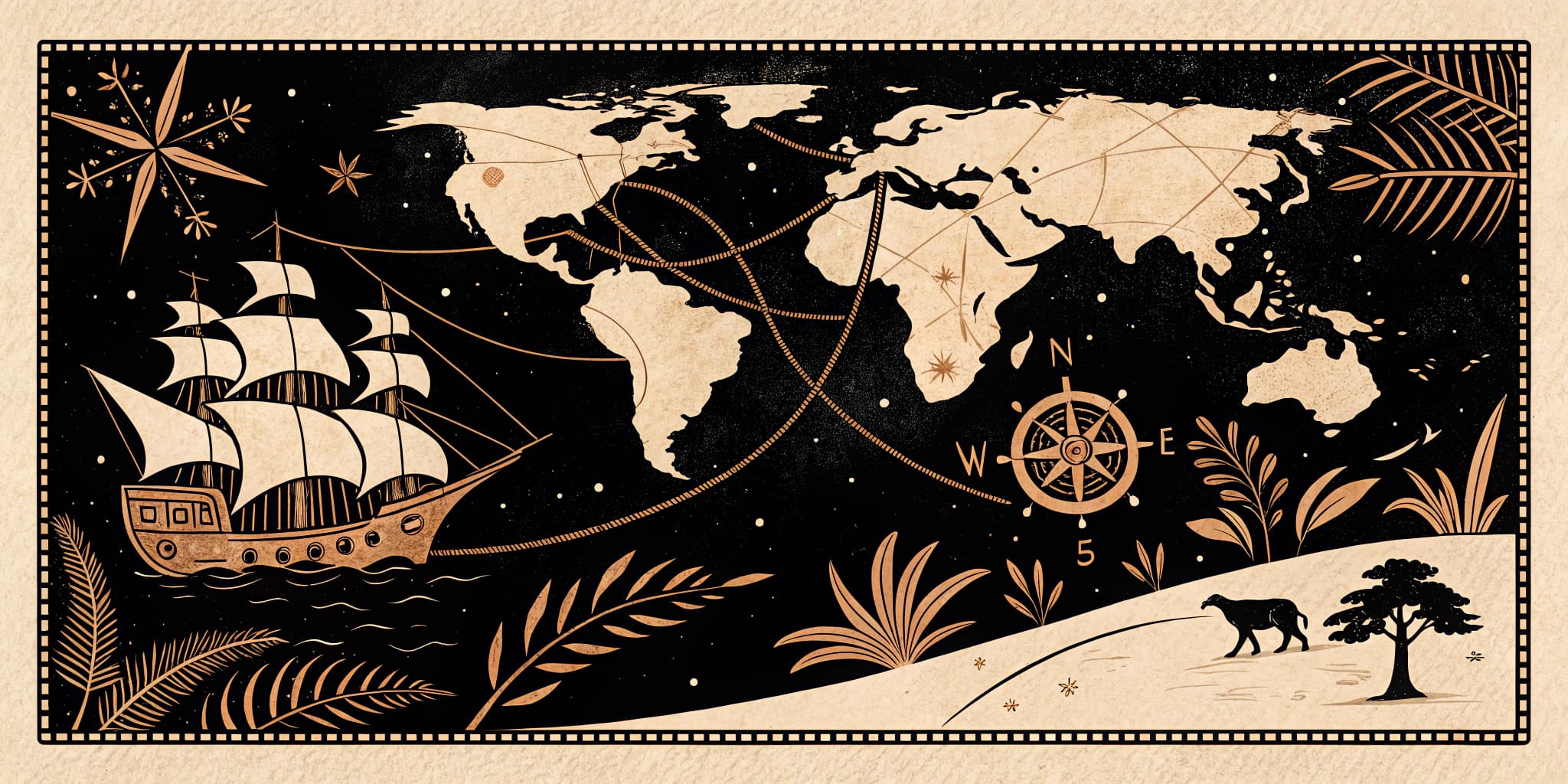
02Age of Exploration
The motivations for European voyages and the global exchange that followed.
Analyze the 'Gold, God, and Glory' motivations behind European voyages and the role of new maritime technology.
Trace the routes and discoveries of prominent explorers like Columbus, Magellan, and Da Gama.
Investigate the profound movement of plants, animals, diseases, and cultures between the Old and New Worlds.
Examine the arrival of Conquistadors, the fall of the Aztec and Inca empires, and the establishment of the encomienda system.
Compare the early settlement and trade strategies of the French, Dutch, and English in North America.
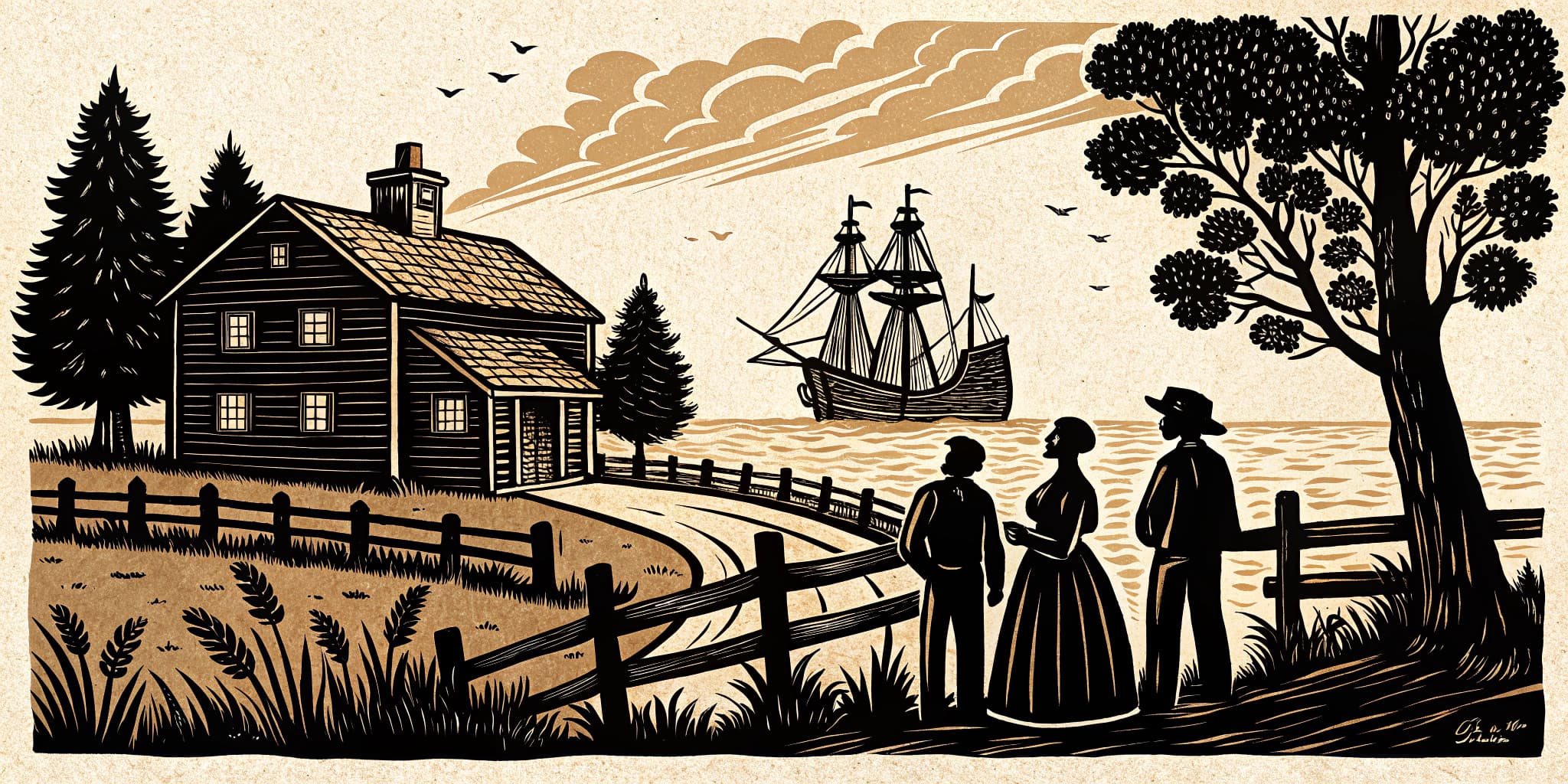
03Colonial America
Development of the thirteen colonies and the diverse cultures within them.
Explore the challenges and successes of the first permanent English colony, including the role of tobacco and John Rolfe.
Investigate the motivations for Puritan migration, their religious beliefs, and the development of self-governance in New England.
Examine the 'Breadbasket' colonies, known for their religious tolerance, diverse populations, and thriving trade.
Study the development of the plantation system, cash crops like tobacco and rice, and the rise of the transatlantic slave trade.
Explore daily life, social classes, gender roles, and the challenges of colonial existence for different groups.
Examine the evolution of self-governance through institutions like the Virginia House of Burgesses and town meetings.
Investigate the religious revival of the Great Awakening and the influence of Enlightenment thinkers on colonial thought.
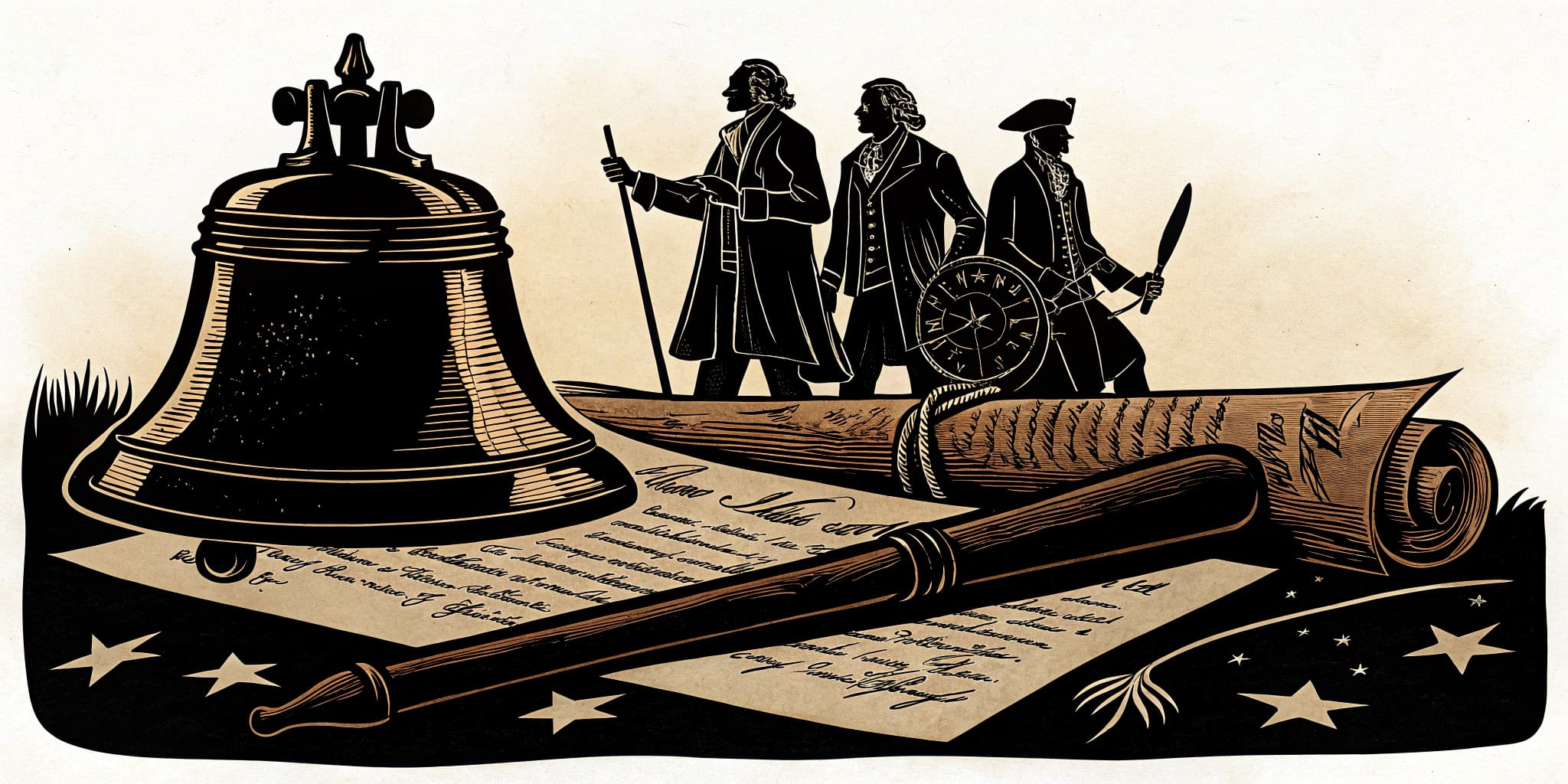
04The American Revolution
The conflict between the colonies and Great Britain leading to independence.
Examine the British policies after the French and Indian War, colonial resistance, and key events like the Stamp Act and Boston Tea Party.
Study the contributions and perspectives of influential individuals like George Washington, Samuel Adams, and Paul Revere.
Analyze the philosophical foundations and specific grievances articulated in America's founding document.
Examine the initial military engagements, including Lexington and Concord, Bunker Hill, and the strategies of both sides.
Investigate pivotal moments like the Battle of Saratoga, Valley Forge, and the role of foreign alliances.
Explore the contributions of women, African Americans, and Native Americans to both sides of the conflict.
Examine the final major battle, the surrender of Cornwallis, and the terms of the peace treaty that recognized American independence.
05Creating the Constitution
The struggle to design a stable and fair system of government.
Analyze America's first attempt at a national government, its weaknesses, and successes like the Northwest Ordinance.
Investigate the major debates and compromises, including the Great Compromise and the Three-Fifths Compromise, that shaped the Constitution.
Explore core principles such as popular sovereignty, limited government, federalism, and separation of powers.
Examine the structure and functions of the Legislative, Executive, and Judicial branches and their system of checks and balances.
Compare the arguments for and against ratifying the Constitution, focusing on the roles of key figures and the Federalist Papers.
Study the first ten amendments to the Constitution and their role in safeguarding individual freedoms.
06The Early Republic & Expansion
The growth of the nation and the emergence of new political and social challenges.
Examine the precedents set by the first president, the formation of the Cabinet, and his Farewell Address.
Investigate the emergence of the Federalist and Democratic-Republican parties and their differing visions for the nation.
Study the acquisition of the Louisiana Territory, its constitutional implications, and the Lewis and Clark expedition.
Examine the causes, key events, and consequences of the second conflict with Britain, and its role in fostering American nationalism.
Investigate the impact of early inventions like the cotton gin and steam engine on American economy and society.
Study the declaration of the Monroe Doctrine and its impact on American foreign policy in the Western Hemisphere.
Examine the policies of Indian Removal, the Cherokee Nation's resistance, and the forced relocation known as the Trail of Tears.
Investigate the expansion of voting rights during the Jacksonian era and the beginnings of social reform movements.