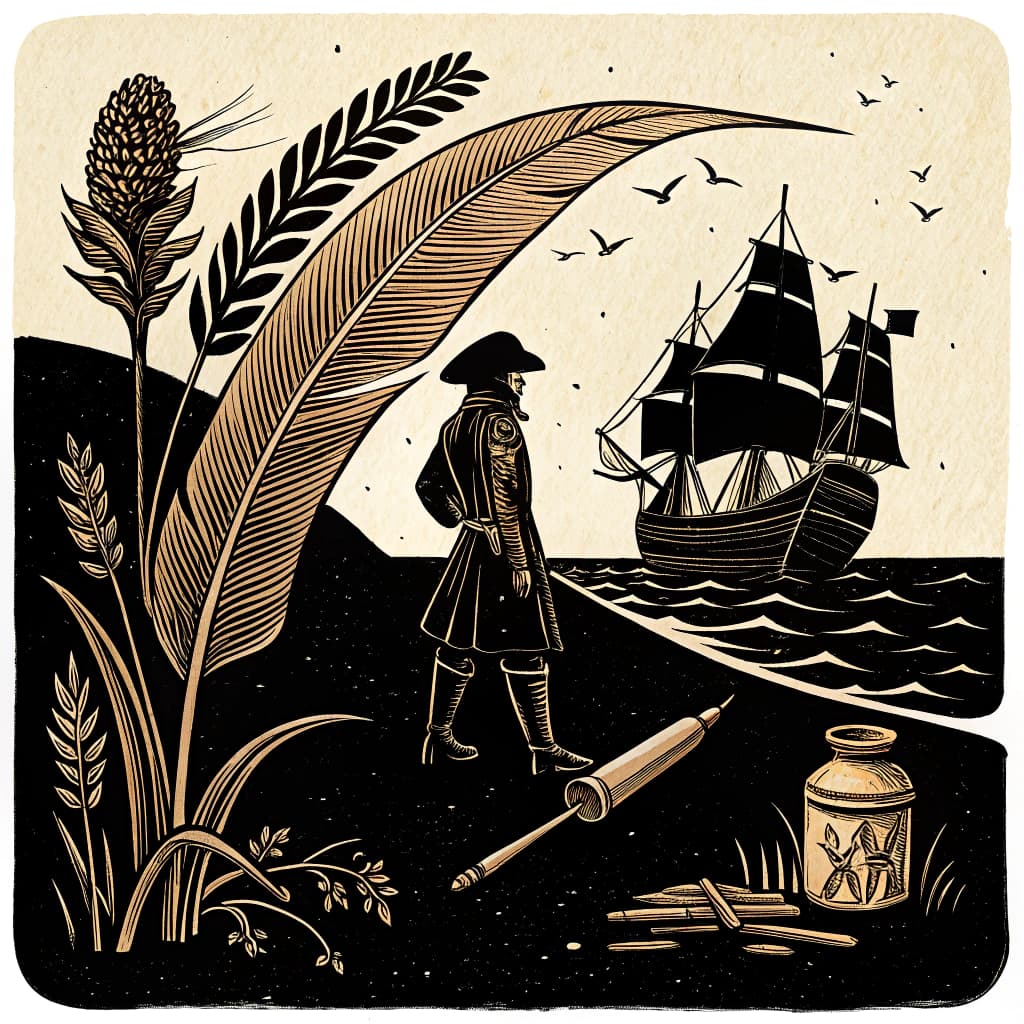
Key Figures of the Revolution
Study the contributions and perspectives of influential individuals like George Washington, Samuel Adams, and Paul Revere.
TL;DR:Active learning helps students move beyond memorizing dates and names by engaging with primary sources and historical arguments. For this topic, role-playing debates and collaborative analysis of the Declaration’s text make abstract ideas like 'consent of the governed' concrete and memorable.
About This Topic
The Declaration of Independence is the foundational document that explained why the colonies were breaking away from Britain. Students explore the core philosophies of Thomas Jefferson, including 'unalienable rights' like life, liberty, and the pursuit of happiness. The topic also examines the long list of grievances against King George III and the revolutionary idea that government gets its power from the 'consent of the governed.'
This topic is a primary focus of 5th-grade civics and history standards. It requires students to analyze complex text and understand the contradictions of the era, such as the promise of equality in a society that practiced slavery. This topic comes alive when students can physically model the patterns of the document's structure through a collaborative investigation of its different sections.
Key Questions
- Evaluate the leadership qualities of George Washington during the war.
- Analyze how figures like Samuel Adams mobilized public opinion.
- Compare the roles of different individuals in sparking and sustaining the revolution.
Learning Objectives
- Compare the leadership styles of George Washington and other key Revolutionary figures.
- Analyze how individuals like Samuel Adams used rhetoric and organization to influence public opinion.
- Evaluate the significance of Paul Revere's ride and its impact on colonial communication.
- Explain the distinct contributions of at least three key figures to the American Revolution.
- Synthesize information to argue which individual's actions were most critical to sparking or sustaining the revolution.
Before You Start
Why: Students need to understand the context of British actions and colonial reactions that led to the Revolution before studying the individuals who responded to these circumstances.
Why: Understanding basic concepts of monarchy versus representative government helps students grasp the motivations and goals of the Revolution's leaders.
Key Vocabulary
| Patriot | A colonist who supported independence from Great Britain during the American Revolution. |
| Loyalist | A colonist who remained loyal to the British Crown during the American Revolution. |
| Militia | A military force composed of ordinary citizens who are trained for service during emergencies. |
| Propaganda | Information, especially of a biased or misleading nature, used to promote or publicize a particular political cause or point of view. |
| Sons of Liberty | A secret organization formed in the American colonies to protest British policies, particularly the Stamp Act. |
Watch Out for These Misconceptions
Common MisconceptionThe Declaration of Independence started the war.
What to Teach Instead
The fighting had actually been going on for over a year (since Lexington and Concord) before the Declaration was signed. A collaborative timeline activity helps students see the Declaration as a formal explanation of a war that was already happening.
Common MisconceptionThe Declaration of Independence is a set of laws.
What to Teach Instead
It is a statement of ideals and a list of reasons for separation, not a plan for government (that came later with the Constitution). A think-pair-share comparing the two documents helps students understand their different purposes.
Active Learning Ideas
See all activities→Inquiry Circle
Decoding the Grievances
In small groups, students are assigned 2-3 specific complaints from the Declaration. They must 'translate' them into modern English and explain what British action caused that complaint.
Formal Debate
The Equality Contradiction
Students discuss the phrase 'all men are created equal' in the context of 1776. They debate why the founders included this language while many of them still enslaved people, and what it meant for the future of the country.
Think-Pair-Share
Unalienable Rights
Pairs brainstorm what 'life, liberty, and the pursuit of happiness' looks like in their daily lives. They share why these rights are considered 'unalienable' (cannot be taken away).
Real-World Connections
- Historians and biographers study the lives of figures like George Washington to understand leadership during times of crisis, informing modern political science and military strategy.
- Public relations specialists and community organizers today use techniques similar to Samuel Adams' to mobilize support for causes, craft persuasive messages, and organize public events.
- Emergency alert systems and modern communication networks, like the internet and mobile phones, are descendants of the need for rapid information dissemination exemplified by Paul Revere's ride.
Assessment Ideas
Pose the question: 'If you were a colonist in 1775, whose message would you have been most likely to hear and respond to: George Washington's call for a Continental Army, Samuel Adams' fiery speeches, or Paul Revere's urgent warnings? Explain your reasoning, citing specific actions of these individuals.'
Provide students with a graphic organizer with three columns: 'Leader', 'Contribution', 'Impact'. Ask them to fill in details for George Washington, Samuel Adams, and Paul Revere. Review for accuracy of key contributions and their immediate effects.
On an index card, have students write the name of one key figure and one specific action they took. Then, ask them to write one sentence explaining why that action was important to the Revolution.
Frequently Asked Questions
What are 'unalienable rights'?
Why did the colonists write a formal Declaration?
Who was excluded from the Declaration's promise of equality?
How can active learning help students understand the Declaration of Independence?
Planning templates for Early American History
5E Model
The 5E Model structures lessons through five phases (Engage, Explore, Explain, Elaborate, and Evaluate), guiding students from curiosity to deep understanding through inquiry-based learning.
Unit PlannerThematic Unit
Organize a multi-week unit around a central theme or essential question that cuts across topics, texts, and disciplines, helping students see connections and build deeper understanding.
RubricSingle-Point Rubric
Build a single-point rubric that defines only the "meets standard" level, leaving space for teachers to document what exceeded and what fell short. Simple to create, easy for students to understand.
More in The American Revolution
Causes of the Revolution: Taxation & Protest
Examine the British policies after the French and Indian War, colonial resistance, and key events like the Stamp Act and Boston Tea Party.
8 methodologies
The Declaration of Independence
Analyze the philosophical foundations and specific grievances articulated in America's founding document.
8 methodologies
Early Battles & Strategies
Examine the initial military engagements, including Lexington and Concord, Bunker Hill, and the strategies of both sides.
8 methodologies
Turning Points of the War
Investigate pivotal moments like the Battle of Saratoga, Valley Forge, and the role of foreign alliances.
8 methodologies
Diverse Roles in the Revolution
Explore the contributions of women, African Americans, and Native Americans to both sides of the conflict.
8 methodologies
Victory at Yorktown & Treaty of Paris
Examine the final major battle, the surrender of Cornwallis, and the terms of the peace treaty that recognized American independence.
8 methodologies