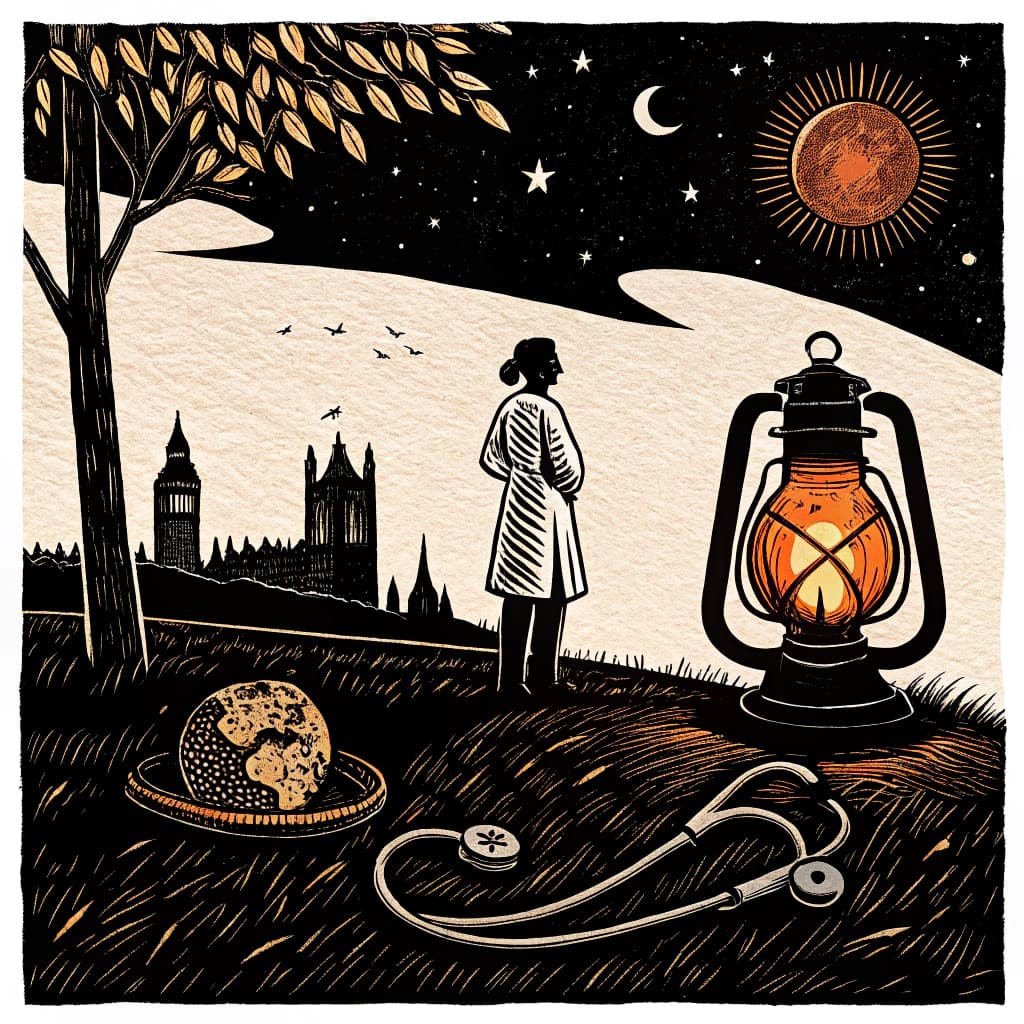
Vaccinations: Protecting Our Health
Exploring the history and importance of vaccinations, from Edward Jenner to modern immunization programs.
TL;DR:Active learning helps Year 2 students connect historical events like Jenner’s cowpox experiment to modern health practices. Hands-on activities make abstract concepts like immunity and community protection visible and memorable for young learners.
About This Topic
Vaccinations protect communities from deadly diseases, with Edward Jenner's 1796 smallpox vaccine marking a turning point in medical history. Year 2 students examine how Jenner used cowpox to safely immunise people against smallpox, drawing on observations of milkmaids. This topic fits KS1 History by covering significant events beyond living memory and changes within living memory, such as modern programmes for measles, polio, and COVID-19.
Students address key questions about how vaccinations work by training the body to fight germs, prevent spread through herd immunity, and require community participation. Simple models show weakened germs prompting defences without full illness. These ideas connect nursing pioneers to public health advances, fostering appreciation for science's role in safer lives.
Active learning excels with this topic. Role-plays of Jenner's trials and simulations of disease outbreaks make immunity tangible. Children manipulate props to see how unvaccinated people enable spread, building empathy for collective action. Hands-on approaches turn historical facts into personal understanding, boosting retention and discussion skills.
Key Questions
- What is a vaccination and how does it work?
- How do vaccinations help stop illnesses from spreading to other people?
- Why is it important for lots of people in a community to get vaccinated?
Learning Objectives
- Explain the basic mechanism by which vaccinations prepare the body to fight specific diseases.
- Identify historical figures, like Edward Jenner, who made significant contributions to vaccination development.
- Compare the impact of widespread vaccination on disease spread in historical and modern contexts.
- Classify common childhood diseases that are preventable through vaccination programs.
Before You Start
Why: Students need a basic understanding of how their bodies work and what it means to be healthy before learning about how to protect their health.
Why: Understanding that tiny 'germs' can cause illness is foundational to grasping how vaccinations prevent sickness.
Key Vocabulary
| Vaccination | A treatment that gives you immunity to a particular disease, usually by giving you a small amount of the disease-causing substance. |
| Immunity | The body's ability to resist a particular infection or toxin by the action of specific antibodies or sensitized white blood cells. |
| Herd Immunity | When a large portion of a community becomes immune to a disease, making the spread of disease from person to person unlikely. |
| Edward Jenner | An English physician who developed the first vaccine, using cowpox to protect against smallpox in the late 18th century. |
Watch Out for These Misconceptions
Common MisconceptionVaccinations cause the disease they prevent.
What to Teach Instead
Role-plays demonstrate cowpox's mild effects versus smallpox's dangers, helping students see vaccines use safe versions. Peer discussions clarify body training, reducing fear through shared evidence.
Common MisconceptionOne vaccinated person stops all spread.
What to Teach Instead
Disease simulations reveal isolated protection fails without community effort. Mapping outbreaks shows herd immunity thresholds, with active graphing building grasp of interconnected health.
Common MisconceptionVaccines are a recent invention.
What to Teach Instead
Timelines place Jenner in 1796, contrasting past outbreaks with today. Hands-on sequencing corrects timeline errors, linking history to personal family stories for deeper retention.
Active Learning Ideas
See all activities→Mystery Object
Role-Play: Jenner's Cowpox Experiment
Assign roles as Jenner, milkmaids, and patients. Groups act out safe cowpox scratches versus deadly smallpox exposure, discussing observations. Conclude with a class vote on vaccine safety.
Simulation Game
Disease Spread Game
Use coloured beads or cards to represent healthy, sick, and vaccinated people. Students mingle, 'infecting' others unless vaccinated, then graph results to show herd immunity. Repeat with higher vaccination rates.
Timeline Challenge
Vaccine Milestones
Pairs sequence cards with Jenner, polio vaccine, and modern shots on a class timeline. Add drawings of impacts, like fewer sick children. Share one key change per pair.
Real-World Connections
- Public health nurses in local clinics administer routine vaccinations to babies and young children, following schedules recommended by the UK Health Security Agency to protect against diseases like measles and polio.
- Scientists at pharmaceutical companies, such as GlaxoSmithKline or Pfizer, continue to research and develop new vaccines to combat emerging infectious diseases and improve existing ones.
Assessment Ideas
Show students pictures of different medical tools or historical scenes related to health. Ask them to hold up a green card if it relates to vaccination and a red card if it does not, explaining their choice for one or two examples.
Provide each student with a slip of paper. Ask them to draw a simple picture showing how a vaccination helps one person stay healthy, and write one sentence explaining why it is important for many people to get vaccinated.
Pose the question: 'Imagine a time before vaccines. What might happen if one person in our class got sick with a very contagious illness?' Guide students to discuss how quickly it could spread and how vaccinations help prevent this.
Frequently Asked Questions
How to explain vaccinations to Year 2 children?
Why teach herd immunity in KS1 History?
What active learning activities for vaccinations topic?
How does this link to UK National Curriculum History?
Planning templates for History
5E Model
The 5E Model structures lessons through five phases (Engage, Explore, Explain, Elaborate, and Evaluate), guiding students from curiosity to deep understanding through inquiry-based learning.
Unit PlannerThematic Unit
Organize a multi-week unit around a central theme or essential question that cuts across topics, texts, and disciplines, helping students see connections and build deeper understanding.
RubricSingle-Point Rubric
Build a single-point rubric that defines only the "meets standard" level, leaving space for teachers to document what exceeded and what fell short. Simple to create, easy for students to understand.
More in Nursing and Medical Pioneers
Florence Nightingale: Early Life and Calling
Investigating Florence Nightingale's childhood and the societal expectations she defied to pursue nursing.
8 methodologies
Nightingale's Crimean War Reforms
Discovering how Florence Nightingale transformed hospital hygiene and patient care during the Crimean War.
8 methodologies
Mary Seacole: Jamaican Healer to Crimean Nurse
Learning about Mary Seacole's journey from Jamaica to the Crimea and her unique contributions to soldier care.
8 methodologies
Edith Cavell: Bravery in WWI
Examining the life of Edith Cavell and her courage in helping soldiers from all sides during the First World War.
8 methodologies
Hospitals: Victorian Era vs. Today
Comparing medical care from the Victorian era to modern-day National Health Service practices.
8 methodologies
The Role of Doctors and Nurses
Exploring the evolving roles of medical professionals from the 19th century to the present day.
8 methodologies