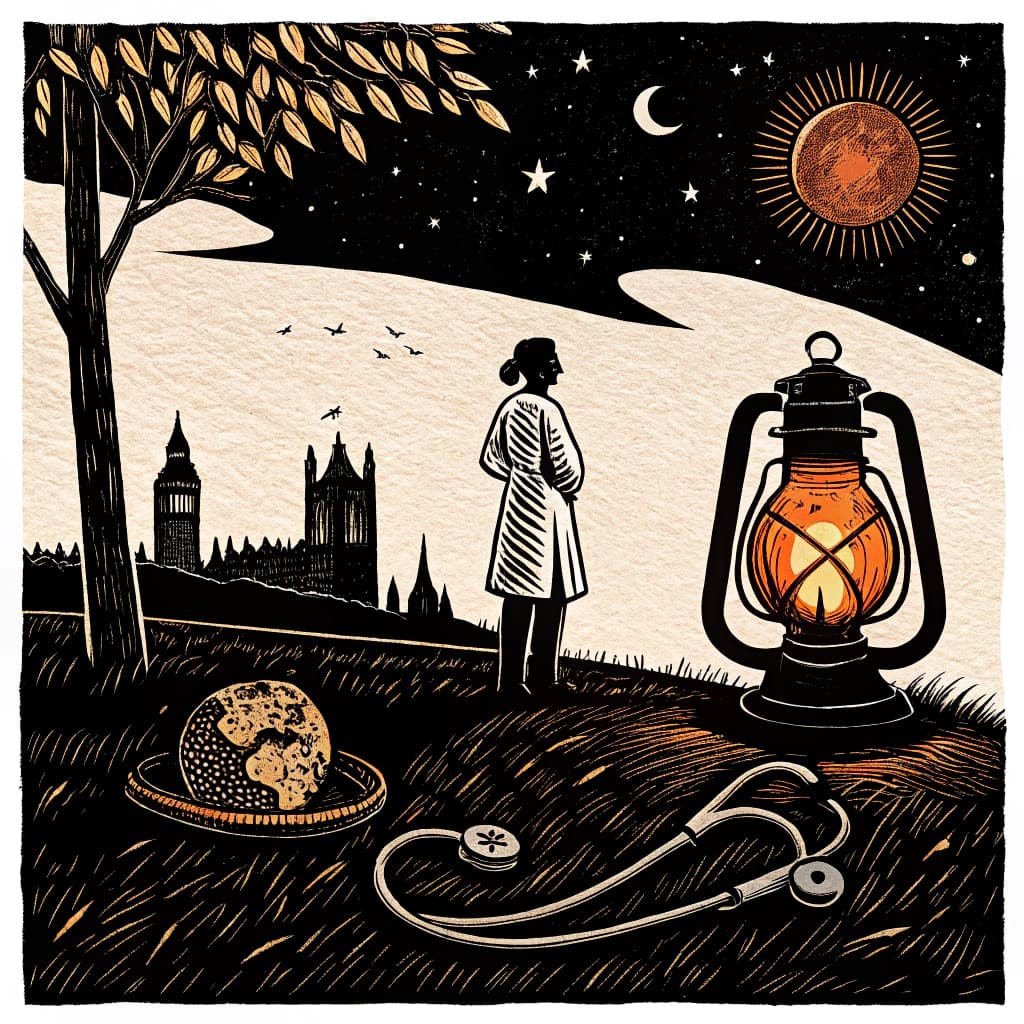
The Role of Doctors and Nurses
Exploring the evolving roles of medical professionals from the 19th century to the present day.
TL;DR:Active learning works well for this topic because students need to experience the contrast between past and present practices to truly grasp how medical roles have evolved. By handling replica tools, acting out scenarios, and building timelines, students connect ideas to concrete, memorable moments rather than abstract facts about change over time.
About This Topic
This topic examines the changing roles of doctors and nurses from the 19th century to today, focusing on key figures like Florence Nightingale and advances in medicine. Year 2 students compare past practices, such as basic wound care without antibiotics and limited hygiene, to modern roles that include using technology like X-rays, administering vaccines, and collaborating in teams. They address key questions about daily tasks for nurses with unwell patients, shifts in doctors' work since the 1800s, and the value of professional teamwork.
Aligned with KS1 History standards on changes within living memory, the content draws on primary sources like photographs, diaries, and hospital images to build chronological awareness. Students develop empathy by considering challenges faced by medical pioneers and recognise how evidence shapes our understanding of the past. This fosters skills in comparing similarities and differences across time.
Active learning suits this topic well. Hands-on activities like role-playing historical scenarios or creating class timelines make distant changes feel immediate and relevant. Students actively sort artefacts or debate teamwork scenarios, which strengthens retention and critical thinking through peer collaboration and physical engagement.
Key Questions
- What does a nurse do to help a patient who is unwell?
- How has the job of a doctor changed since the 1800s?
- Why is it important for doctors and nurses to work together?
Learning Objectives
- Compare the daily tasks of a nurse in the 19th century with those of a nurse today.
- Explain how the role of a doctor has evolved since the 1800s, citing specific changes.
- Identify key contributions of medical pioneers like Florence Nightingale.
- Classify the differences in medical equipment and treatments used in the past versus the present.
- Justify the importance of collaboration between doctors and nurses for patient care.
Before You Start
Why: Understanding the general living conditions and societal norms of the Victorian era provides context for the challenges faced by early medical professionals.
Why: Students should already grasp fundamental human needs like health and safety to understand why doctors and nurses are essential.
Key Vocabulary
| Hygiene | Practices that keep people and their surroundings clean, such as washing hands, to prevent illness. This was much less understood in the 1800s. |
| Antibiotics | Medicines that kill harmful bacteria and treat infections. These were not available in the 19th century, making infections much more dangerous. |
| Pioneer | A person who is among the first to explore or settle a new country or area. In this topic, it refers to early doctors and nurses who developed new ways of caring for people. |
| Diagnosis | The process of identifying a disease or condition by examining its symptoms. Doctors today use advanced technology for this. |
Watch Out for These Misconceptions
Common MisconceptionDoctors and nurses have always used the same tools and methods.
What to Teach Instead
In the 1800s, treatments relied on basic observation and herbs without germ theory. Sorting activities with replica tools help students visually compare eras and correct this through hands-on grouping and discussion.
Common MisconceptionNurses just follow doctors' orders with no independent role.
What to Teach Instead
Modern nurses assess patients and lead care teams, a shift from Nightingale's time. Role-play scenarios where students switch roles reveal teamwork evolution, building understanding via peer negotiation.
Common MisconceptionMedical jobs changed only because of new inventions, not people.
What to Teach Instead
Pioneers like Nightingale drove hygiene reforms through advocacy. Timeline activities highlight human agency, as students sequence events and debate influences in groups.
Active Learning Ideas
See all activities→Role Play
Past vs Present Clinic
Divide class into pairs to act out a 19th-century clinic scene with props like bandages and herbs, then switch to a modern one with stethoscopes and syringes. Pairs discuss differences and share with the group. Conclude with a class vote on key changes.
Stations Rotation
Timeline Build: Medical Milestones
Provide cards with events like Nightingale's reforms and penicillin discovery. In small groups, students sequence them on a large timeline strip, adding drawings of doctors' and nurses' roles at each point. Groups present one milestone.
Stations Rotation
Artefact Sort: Then and Now
Display images and toy tools from 1800s and today. Whole class sorts them into 'past' or 'present' categories on a T-chart, then discusses why certain tools changed nurses' jobs. Follow with individual drawings of future tools.
Real-World Connections
- Students can visit a local museum with a medical history exhibit, such as the Science Museum in London, to see historical medical tools and learn about past treatments.
- Families can discuss with grandparents or older relatives about their experiences with doctors and nurses when they were younger, comparing these memories to current hospital visits.
- Watching age-appropriate documentaries or historical reenactments about hospitals in different eras can show students how medical environments and practices have changed.
Assessment Ideas
Provide students with two pictures: one of a 19th-century hospital ward and one of a modern hospital room. Ask them to point to three differences they observe and explain why these changes are important for patient health.
On a slip of paper, have students draw one tool a doctor or nurse might have used in the 1800s and one tool they use today. Below each drawing, they should write one sentence explaining its purpose.
Pose the question: 'Why is it important for doctors and nurses to talk to each other and work as a team?' Facilitate a class discussion, encouraging students to give examples of how teamwork helps patients get better.
Frequently Asked Questions
How to teach Year 2 about changes in doctors' roles since the 1800s?
What activities show the importance of doctors and nurses working together?
How can active learning help teach the role of doctors and nurses?
Why study Florence Nightingale in Year 2 history?
Planning templates for History
5E Model
The 5E Model structures lessons through five phases (Engage, Explore, Explain, Elaborate, and Evaluate), guiding students from curiosity to deep understanding through inquiry-based learning.
Unit PlannerThematic Unit
Organize a multi-week unit around a central theme or essential question that cuts across topics, texts, and disciplines, helping students see connections and build deeper understanding.
RubricSingle-Point Rubric
Build a single-point rubric that defines only the "meets standard" level, leaving space for teachers to document what exceeded and what fell short. Simple to create, easy for students to understand.
More in Nursing and Medical Pioneers
Florence Nightingale: Early Life and Calling
Investigating Florence Nightingale's childhood and the societal expectations she defied to pursue nursing.
8 methodologies
Nightingale's Crimean War Reforms
Discovering how Florence Nightingale transformed hospital hygiene and patient care during the Crimean War.
8 methodologies
Mary Seacole: Jamaican Healer to Crimean Nurse
Learning about Mary Seacole's journey from Jamaica to the Crimea and her unique contributions to soldier care.
8 methodologies
Edith Cavell: Bravery in WWI
Examining the life of Edith Cavell and her courage in helping soldiers from all sides during the First World War.
8 methodologies
Hospitals: Victorian Era vs. Today
Comparing medical care from the Victorian era to modern-day National Health Service practices.
8 methodologies
Introduction to the NHS
Understanding the origins and importance of the National Health Service in providing healthcare for all.
8 methodologies