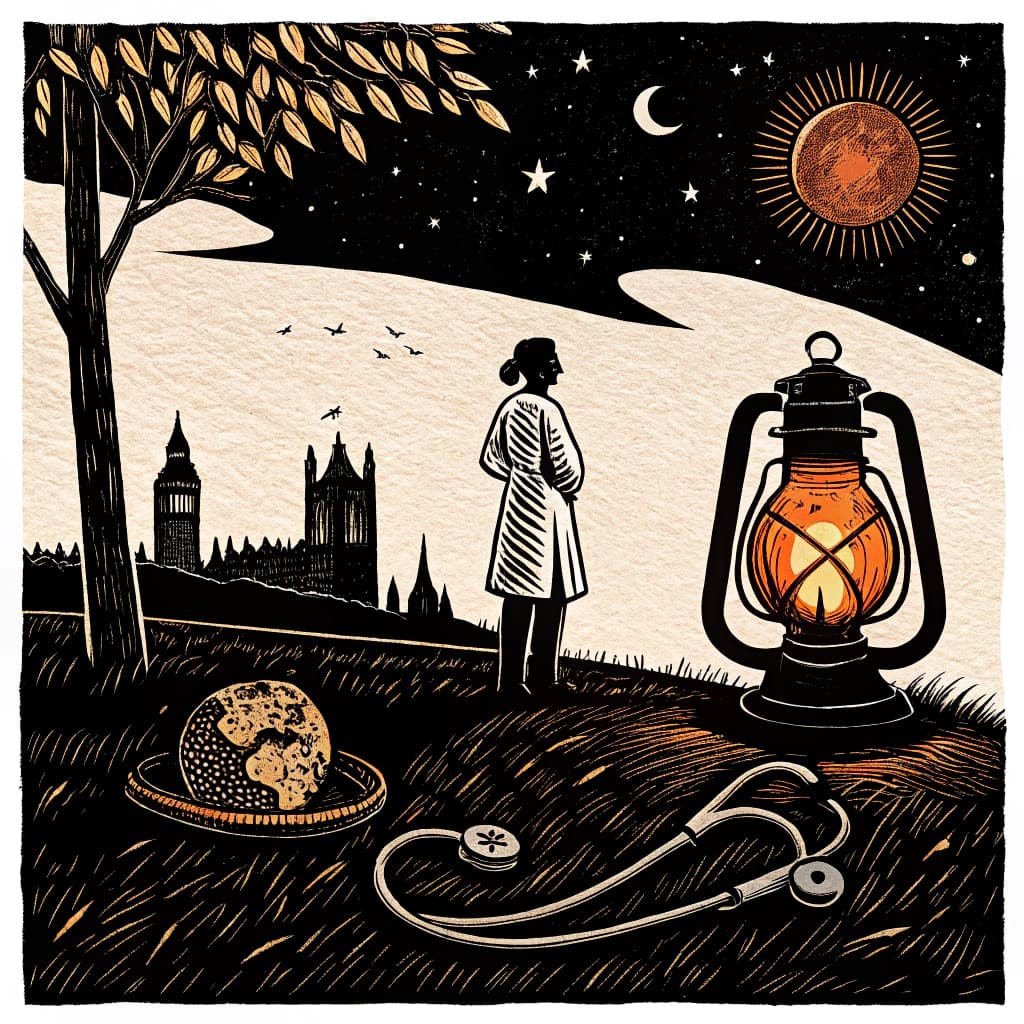
Nightingale's Crimean War Reforms
Discovering how Florence Nightingale transformed hospital hygiene and patient care during the Crimean War.
TL;DR:Active learning makes Nightingale’s reforms concrete for young learners. When students physically sort, role-play, and graph, they connect abstract ideas like hygiene and data to real changes that saved lives. These hands-on tasks help them grasp how a single person’s systematic approach could transform an entire hospital system.
About This Topic
Year 2 students examine Florence Nightingale's pioneering reforms during the Crimean War, a conflict from 1853 to 1856. They learn she arrived at Scutari hospital to find overcrowding, dirty linens, contaminated water, and poor ventilation causing more deaths from infection than battle wounds. Nightingale introduced handwashing, clean bedding, fresh food, separated clean and foul areas, and used statistics to prove her methods reduced mortality rates from 42% to 2%. This content directly addresses key questions about her actions for injured soldiers, the vital role of cleanliness, and her courage in challenging authorities.
The topic fits KS1 history standards on significant individuals and changes within living memory by connecting Nightingale's evidence-based innovations to today's hygiene practices in schools and hospitals. Children develop skills in sequencing events, evaluating sources like her lamp legend versus data logs, and recognising how one person's determination drives progress.
Active learning excels with this topic because children can role-play hospital transformations, handle replica props for sorting clean from dirty, and create simple graphs of death rate changes. These experiences make remote history immediate, build empathy for soldiers' suffering, and cement understanding of cause and effect through direct participation.
Key Questions
- What did Florence Nightingale do to help soldiers who were hurt or ill?
- Why was it important to keep hospitals clean?
- What do you think made Florence Nightingale brave? Why?
Learning Objectives
- Identify specific actions Florence Nightingale took to improve hospital conditions and patient care.
- Explain the relationship between hospital cleanliness and the reduction of infection-related deaths.
- Compare the mortality rates in Scutari before and after Nightingale's reforms, citing statistical evidence.
- Analyze primary source descriptions or images to infer the challenges faced by soldiers and nurses in the Crimean War.
- Evaluate Florence Nightingale's bravery by citing specific instances where she challenged existing practices or authorities.
Before You Start
Why: Understanding that living things need clean air, water, and food is foundational to grasping why Nightingale's focus on hygiene was so critical.
Why: Prior exposure to the concept of helping people who are sick or hurt provides context for Florence Nightingale's role as a nurse.
Key Vocabulary
| Crimean War | A war fought between 1853 and 1856 between the Russian Empire and an alliance of the Ottoman Empire, France, Britain, and Sardinia. Florence Nightingale worked as a nurse during this conflict. |
| Mortality Rate | The number of deaths in a particular group of people or in a particular place over a specific period of time. Nightingale worked to lower this rate in hospitals. |
| Hygiene | Practices that maintain health and prevent disease, especially through cleanliness. Nightingale introduced many new hygiene practices to military hospitals. |
| Reforms | Changes or improvements made to a system or institution. Nightingale's work in the Crimean War led to significant reforms in nursing and hospital care. |
Watch Out for These Misconceptions
Common MisconceptionNightingale only carried a lamp and comforted soldiers.
What to Teach Instead
Her main impact came from hygiene reforms and data collection. Role-playing her inspections helps children distinguish the 'Lady with the Lamp' image from her systematic changes, as they experience directing clean-up actions themselves.
Common MisconceptionMost soldiers died from battle wounds alone.
What to Teach Instead
Infections from poor hygiene caused far more deaths. Hands-on sorting of 'dirty' props versus clean ones reveals this, with group discussions clarifying how Nightingale's rules targeted disease prevention.
Common MisconceptionHospitals have always been clean places.
What to Teach Instead
Pre-Nightingale wards were filthy by modern standards. Experiments with model hospitals using safe materials let children test conditions, building awareness of historical shifts through trial and observation.
Active Learning Ideas
See all activities→Role Play
Hospital Reforms
Divide class into groups as soldiers in a dirty hospital; introduce Nightingale with commands to wash hands, change linens, and open windows. Groups perform before-and-after scenes, then discuss changes. End with a class vote on most effective reform.
Hot Seat
Sorting Stations: Clean vs Dirty
Set up stations with props like bandages, water bowls, and food items. Children sort into 'dangerous' and 'safe' piles, explaining choices. Rotate stations and share findings in plenary.
Hot Seat
Graphing Challenge: Death Rates
Provide pre-drawn axes; children colour bars to show 42% deaths before Nightingale and 2% after. Pairs compare graphs and predict outcomes without reforms. Display on wall for ongoing reference.
Real-World Connections
- Modern hospitals and healthcare facilities worldwide implement strict hygiene protocols, such as handwashing stations and sterile environments, directly influenced by the pioneering work of Florence Nightingale.
- Public health officials and epidemiologists today use data collection and statistical analysis to track disease outbreaks and assess the effectiveness of medical interventions, a practice advanced by Nightingale's use of statistics.
- Nurses and doctors in conflict zones or disaster areas continue to face challenging conditions, drawing inspiration from Nightingale's dedication and resilience in providing care under extreme duress.
Assessment Ideas
Provide students with a card asking: 'What was ONE important change Florence Nightingale made in the hospital? Why was this change important?' Students write their answers to assess their understanding of her actions and their impact.
Ask students: 'Imagine you are a soldier in the Crimean War. What would make you feel safer and better cared for in the hospital? How did Florence Nightingale help make soldiers feel this way?' This prompts them to connect her actions to soldier well-being.
Show students two simple images: one depicting a very dirty, crowded hospital ward and another showing a cleaner, more organized ward. Ask: 'Which picture shows a hospital like the one Florence Nightingale found, and which shows her improvements? How can you tell?' This checks their visual comprehension of the changes.
Frequently Asked Questions
How did Florence Nightingale change Crimean War hospitals?
What activities teach Nightingale's reforms to Year 2?
How can active learning help students understand Nightingale's Crimean War reforms?
Why was cleanliness important in Nightingale's hospitals?
Planning templates for History
5E Model
The 5E Model structures lessons through five phases (Engage, Explore, Explain, Elaborate, and Evaluate), guiding students from curiosity to deep understanding through inquiry-based learning.
Unit PlannerThematic Unit
Organize a multi-week unit around a central theme or essential question that cuts across topics, texts, and disciplines, helping students see connections and build deeper understanding.
RubricSingle-Point Rubric
Build a single-point rubric that defines only the "meets standard" level, leaving space for teachers to document what exceeded and what fell short. Simple to create, easy for students to understand.
More in Nursing and Medical Pioneers
Florence Nightingale: Early Life and Calling
Investigating Florence Nightingale's childhood and the societal expectations she defied to pursue nursing.
8 methodologies
Mary Seacole: Jamaican Healer to Crimean Nurse
Learning about Mary Seacole's journey from Jamaica to the Crimea and her unique contributions to soldier care.
8 methodologies
Edith Cavell: Bravery in WWI
Examining the life of Edith Cavell and her courage in helping soldiers from all sides during the First World War.
8 methodologies
Hospitals: Victorian Era vs. Today
Comparing medical care from the Victorian era to modern-day National Health Service practices.
8 methodologies
The Role of Doctors and Nurses
Exploring the evolving roles of medical professionals from the 19th century to the present day.
8 methodologies
Introduction to the NHS
Understanding the origins and importance of the National Health Service in providing healthcare for all.
8 methodologies