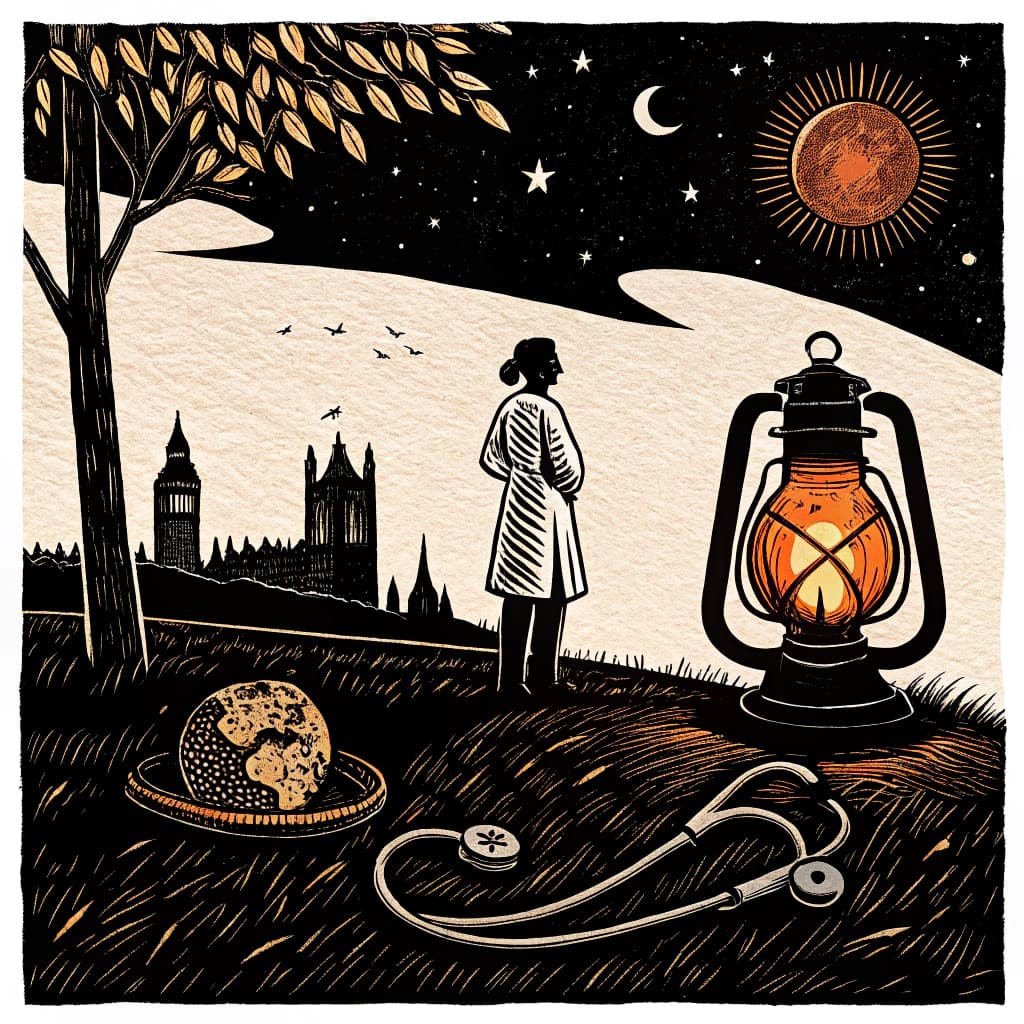
The Discovery of Germs and Hygiene
Learning about the groundbreaking work of scientists like Louis Pasteur and Joseph Lister in understanding germs and promoting hygiene.
TL;DR:Active learning helps Year 2 students grasp why germs and hygiene matter by making invisible concepts visible. Hands-on experiments and role-plays turn abstract discoveries into memorable, tangible experiences that build lasting understanding.
About This Topic
The discovery of germs and hygiene transformed medicine, thanks to pioneers Louis Pasteur and Joseph Lister. Year 2 students learn that germs are tiny living things, invisible without microscopes, which cause illnesses like infections. Pasteur proved germs come from other germs, not thin air, through his swan-neck flask experiments. Lister built on this by using carbolic acid sprays to kill germs during operations, cutting death rates in hospitals from over 50% to under 15%.
This topic fits KS1 History standards on significant individuals and events beyond living memory. Children connect these 19th-century breakthroughs to modern habits, such as handwashing before meals or cleaning wounds. It encourages them to sequence key events on timelines and compare hospital conditions before and after the discoveries.
Active learning suits this topic perfectly. Simple experiments with bread mould or glitter 'germs' let students see microbial growth firsthand. Role-playing Lister's surgeries highlights hygiene's impact, making history vivid and helping children internalise why clean hands and spaces prevent illness.
Key Questions
- What are germs and how can they make people ill?
- How did washing hands and keeping things clean help patients get better?
- Why is it important to keep hospitals and doctor's rooms very clean?
Learning Objectives
- Explain how microscopic organisms called germs can cause illness, citing examples from historical accounts.
- Compare the effectiveness of hygiene practices before and after the discoveries of Pasteur and Lister.
- Classify common hygiene actions, such as handwashing and wound cleaning, based on their germ-killing properties.
- Identify the key contributions of Louis Pasteur and Joseph Lister to the understanding of germs and hygiene.
Before You Start
Why: Students should have a basic understanding of what living things are to grasp the concept of germs as living organisms.
Why: Understanding that living things need certain conditions to survive helps explain why germs thrive in certain environments and how hygiene disrupts them.
Key Vocabulary
| Germs | Tiny living things, too small to see without a microscope, that can cause sickness and infection. |
| Hygiene | Practices and habits that help to keep people and places clean and prevent the spread of disease. |
| Microscope | A scientific tool that makes very small objects appear much larger so they can be seen and studied. |
| Infection | A condition caused when harmful germs enter the body and multiply, making a person ill. |
| Sterilization | The process of killing all germs on an object or surface, often using heat or chemicals like carbolic acid. |
Watch Out for These Misconceptions
Common MisconceptionGerms are big bugs you can see.
What to Teach Instead
Germs are microscopic and need microscopes to view. Hands-on activities like growing yeast on bread or using glitter under UV light show how germs spread invisibly. Peer talks during demos correct ideas and build evidence-based understanding.
Common MisconceptionDoctors always knew to wash hands before treating patients.
What to Teach Instead
Before Lister, surgeons operated in bloodied coats without cleaning. Role-plays of 'before and after' surgeries reveal the change, with students acting outcomes. Group reflections link this to lower infection rates, making the shift memorable.
Common MisconceptionHygiene only matters at home, not in hospitals.
What to Teach Instead
Hospitals were once infection hotspots until Pasteur and Lister's work. Simulations with contaminated props versus clean setups demonstrate risks. Collaborative clean-up tasks reinforce why sterile environments save lives.
Active Learning Ideas
See all activities→Practical Life Work
Experiment Station: Pasteur's Flask Test
Prepare jars with clear liquid: some sealed, others with gauze covers or open. Students observe daily for mould growth over a week (use pre-made samples for speed). Groups record drawings and discuss how germs travel. Conclude with class share-out on findings.
Practical Life Work
Role-Play: Lister's Operating Theatre
Divide class into surgeons, nurses, and patients. First round acts a 'dirty' surgery with pretend germs (glitter). Second round uses 'antiseptic' sprays and washing. Students vote on which feels safer and why.
Practical Life Work
Glitter Germs: Hand Hygiene Challenge
Apply lotion and glitter to hands as 'germs'. Students wash with soap under UV light to reveal residue. Pairs compare before/after photos and explain steps for full removal.
Real-World Connections
- Doctors and nurses in hospitals today use sterile equipment and wash their hands thoroughly between patients to prevent the spread of infections, a direct result of Lister's work.
- Food scientists in processing plants use pasteurization, a method named after Louis Pasteur, to kill germs in milk and juices, ensuring they are safe to drink.
- Public health campaigns, like those promoting regular handwashing in schools and public restrooms, aim to reduce the transmission of germs, echoing the importance of hygiene discovered by pioneers.
Assessment Ideas
Present students with pictures of different scenarios (e.g., a dirty wound, unwashed hands, a clean operating room, milk). Ask them to sort the pictures into two groups: 'Helps stop germs' and 'Helps germs spread'. Discuss their choices, focusing on hygiene practices.
Pose the question: 'Imagine you are a patient in a hospital before Louis Pasteur and Joseph Lister made their discoveries. What might happen to you, and why was it so dangerous?' Encourage students to use vocabulary like 'germs' and 'infection' in their answers.
Give students a slip of paper and ask them to draw one thing they learned about keeping clean to stay healthy. They should also write one sentence explaining why that action is important, referencing either Pasteur or Lister.
Frequently Asked Questions
Who were Louis Pasteur and Joseph Lister?
How did the discovery of germs change hospitals?
How can active learning help teach the discovery of germs?
Why teach hygiene pioneers in Year 2 history?
Planning templates for History
5E Model
The 5E Model structures lessons through five phases (Engage, Explore, Explain, Elaborate, and Evaluate), guiding students from curiosity to deep understanding through inquiry-based learning.
Unit PlannerThematic Unit
Organize a multi-week unit around a central theme or essential question that cuts across topics, texts, and disciplines, helping students see connections and build deeper understanding.
RubricSingle-Point Rubric
Build a single-point rubric that defines only the "meets standard" level, leaving space for teachers to document what exceeded and what fell short. Simple to create, easy for students to understand.
More in Nursing and Medical Pioneers
Florence Nightingale: Early Life and Calling
Investigating Florence Nightingale's childhood and the societal expectations she defied to pursue nursing.
8 methodologies
Nightingale's Crimean War Reforms
Discovering how Florence Nightingale transformed hospital hygiene and patient care during the Crimean War.
8 methodologies
Mary Seacole: Jamaican Healer to Crimean Nurse
Learning about Mary Seacole's journey from Jamaica to the Crimea and her unique contributions to soldier care.
8 methodologies
Edith Cavell: Bravery in WWI
Examining the life of Edith Cavell and her courage in helping soldiers from all sides during the First World War.
8 methodologies
Hospitals: Victorian Era vs. Today
Comparing medical care from the Victorian era to modern-day National Health Service practices.
8 methodologies
The Role of Doctors and Nurses
Exploring the evolving roles of medical professionals from the 19th century to the present day.
8 methodologies