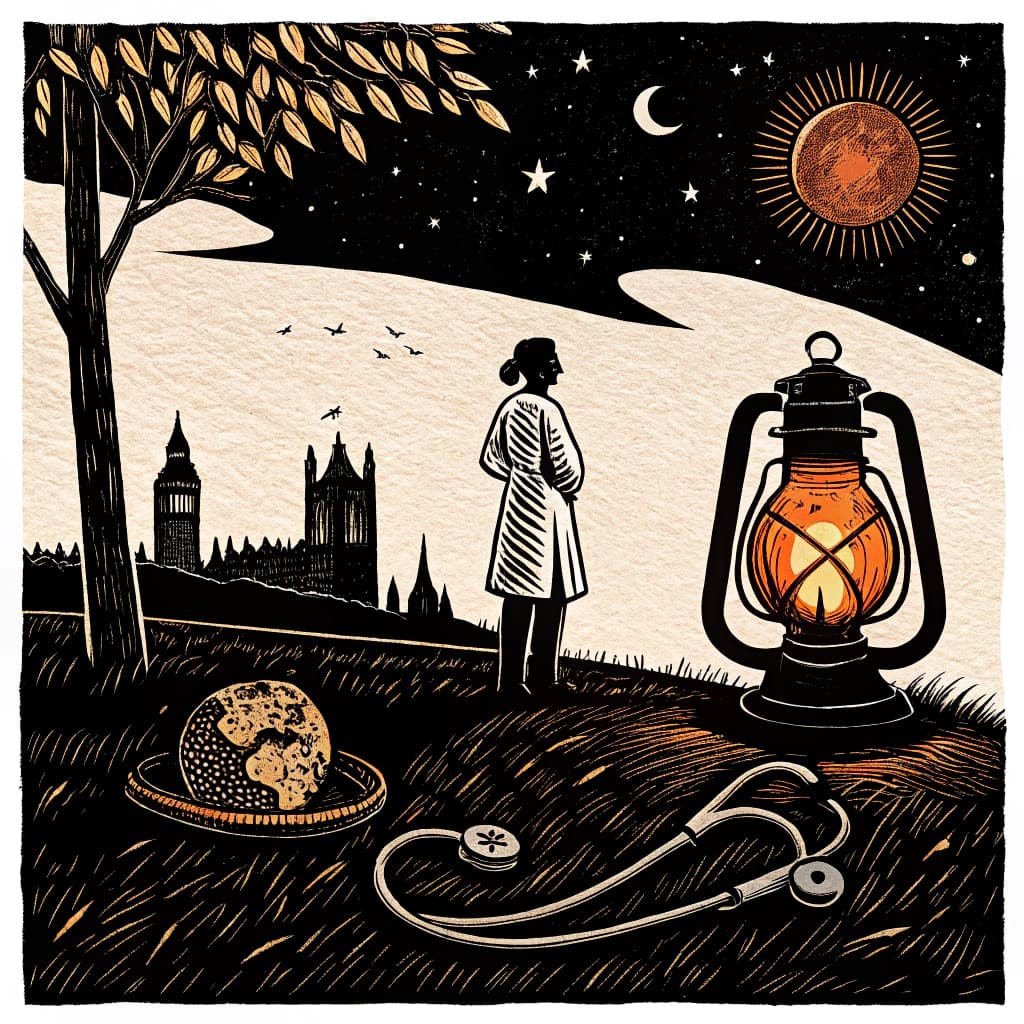
Edith Cavell: Bravery in WWI
Examining the life of Edith Cavell and her courage in helping soldiers from all sides during the First World War.
TL;DR:Active learning helps Year 2 pupils grasp Edith Cavell’s bravery by moving beyond facts to lived experience. Through role play and hands-on tasks, students connect emotionally with her choices, which builds empathy and deepens understanding of quiet courage in extraordinary circumstances.
About This Topic
Edith Cavell was a British nurse who demonstrated remarkable courage during the First World War. In German-occupied Belgium, she managed a training school for nurses that doubled as a refuge. There, she helped more than 200 Allied soldiers escape to neutral territory in the Netherlands, while also tending to wounded German troops. Arrested in 1915, she faced execution by firing squad yet maintained compassion, stating that patriotism alone was not enough without humanity toward all. Year 2 pupils examine her role, the dangers she faced, and qualities that define her as a hero.
This content supports KS1 History requirements for studying significant individuals from the past and events beyond living memory. Within the Nursing and Medical Pioneers unit, it highlights how Cavell's actions reflect broader themes of wartime bravery and ethical decisions. Pupils address key questions about her job, her risky aid to soldiers, and heroic traits through stories, images, and simple timelines.
Active learning excels here because historical figures like Cavell come alive through drama and discussion. Role-playing her choices or debating heroism helps pupils connect emotionally to past events, building empathy and vocabulary for moral concepts at an age when personal stories resonate most.
Key Questions
- Who was Edith Cavell and what was her job during the First World War?
- How did Edith Cavell help people even when it was dangerous?
- What do you think made Edith Cavell a hero? Why?
Learning Objectives
- Identify Edith Cavell's role as a nurse and director of a training school during World War I.
- Explain how Edith Cavell assisted Allied soldiers in escaping German-occupied Belgium.
- Analyze the risks Edith Cavell undertook to help soldiers from opposing sides.
- Evaluate the qualities that contributed to Edith Cavell being considered a hero.
Before You Start
Why: Students need to understand the concept of a job or role to grasp Edith Cavell's profession as a nurse.
Why: Understanding different roles people play in society helps students recognize significant individuals from the past.
Key Vocabulary
| Nurse | A person trained to care for the sick or injured, especially in a hospital or home. |
| Wartime | The period during which a war is happening. |
| Occupation | The control of a country or area by a foreign military force. |
| Hero | A person admired for courage, outstanding achievements, or noble qualities. |
| Humanity | The human race; human beings collectively. It also means kindness and compassion. |
Watch Out for These Misconceptions
Common MisconceptionHeroes in war always fight with weapons.
What to Teach Instead
Cavell was a hero through nursing and secret aid, not combat. Role-play activities let pupils experience her quiet courage, shifting views from action stereotypes to compassionate acts. Group discussions reinforce that bravery takes many forms.
Common MisconceptionShe only helped British soldiers.
What to Teach Instead
Cavell aided soldiers from all sides and cared for Germans too. Timeline builds and debates reveal her full humanity, correcting narrow views. Peer sharing helps pupils see wartime complexity beyond simple sides.
Common MisconceptionWWI happened long ago so it feels unreal.
What to Teach Instead
Personal stories like Cavell's make it vivid. Drama and artifact handling bridge the gap to beyond-living-memory events, as pupils empathize through acting her emotions and decisions.
Active Learning Ideas
See all activities→Hot Seat
Timeline Build: Cavell's Key Moments
Provide pupils with images and facts about Cavell's birth, move to Belgium, hospital work, arrests, and execution. In small groups, they sequence events on a large timeline strip, add captions, and present to the class. Conclude with a class vote on her most brave act.
Role Play
Nurse's Dilemma
Assign roles as Cavell, soldiers, and German officers. Pairs act out a scene where she decides to help an escaping soldier, discussing risks aloud. Debrief in whole class about feelings and choices, linking to her real words.
Hot Seat
Hero Sort: Qualities Debate
List traits like brave, kind, strong on cards. Pupils in small groups sort them into 'Cavell had these' piles, justify with evidence from her story, then share in circle time. Extend by drawing their own hero inspired by her.
Real-World Connections
- Nurses today, like those working in conflict zones or refugee camps, continue to show bravery by caring for people in dangerous situations, similar to Edith Cavell's work.
- International organizations like the Red Cross work to protect and help people affected by war, upholding principles of neutrality and compassion that Edith Cavell embodied.
Assessment Ideas
Students draw a picture of Edith Cavell helping someone. Below the picture, they write one sentence explaining who she is helping and one word describing her bravery.
Ask students: 'What was the most dangerous thing Edith Cavell did? Why do you think she did it even though it was dangerous? What makes someone a hero?' Record student responses on a chart.
Present students with three simple scenarios: 1. A nurse giving medicine to a sick soldier. 2. A nurse hiding a soldier from enemy forces. 3. A nurse training new nurses. Ask students to point to the scenario that shows Edith Cavell being brave and explain why.
Frequently Asked Questions
Who was Edith Cavell and why study her in Year 2 History?
How can active learning help teach Edith Cavell to Year 2 pupils?
What activities suit Edith Cavell for UK National Curriculum Year 2?
How does Edith Cavell link to nursing pioneers unit?
Planning templates for History
5E Model
The 5E Model structures lessons through five phases (Engage, Explore, Explain, Elaborate, and Evaluate), guiding students from curiosity to deep understanding through inquiry-based learning.
Unit PlannerThematic Unit
Organize a multi-week unit around a central theme or essential question that cuts across topics, texts, and disciplines, helping students see connections and build deeper understanding.
RubricSingle-Point Rubric
Build a single-point rubric that defines only the "meets standard" level, leaving space for teachers to document what exceeded and what fell short. Simple to create, easy for students to understand.
More in Nursing and Medical Pioneers
Florence Nightingale: Early Life and Calling
Investigating Florence Nightingale's childhood and the societal expectations she defied to pursue nursing.
8 methodologies
Nightingale's Crimean War Reforms
Discovering how Florence Nightingale transformed hospital hygiene and patient care during the Crimean War.
8 methodologies
Mary Seacole: Jamaican Healer to Crimean Nurse
Learning about Mary Seacole's journey from Jamaica to the Crimea and her unique contributions to soldier care.
8 methodologies
Hospitals: Victorian Era vs. Today
Comparing medical care from the Victorian era to modern-day National Health Service practices.
8 methodologies
The Role of Doctors and Nurses
Exploring the evolving roles of medical professionals from the 19th century to the present day.
8 methodologies
Introduction to the NHS
Understanding the origins and importance of the National Health Service in providing healthcare for all.
8 methodologies