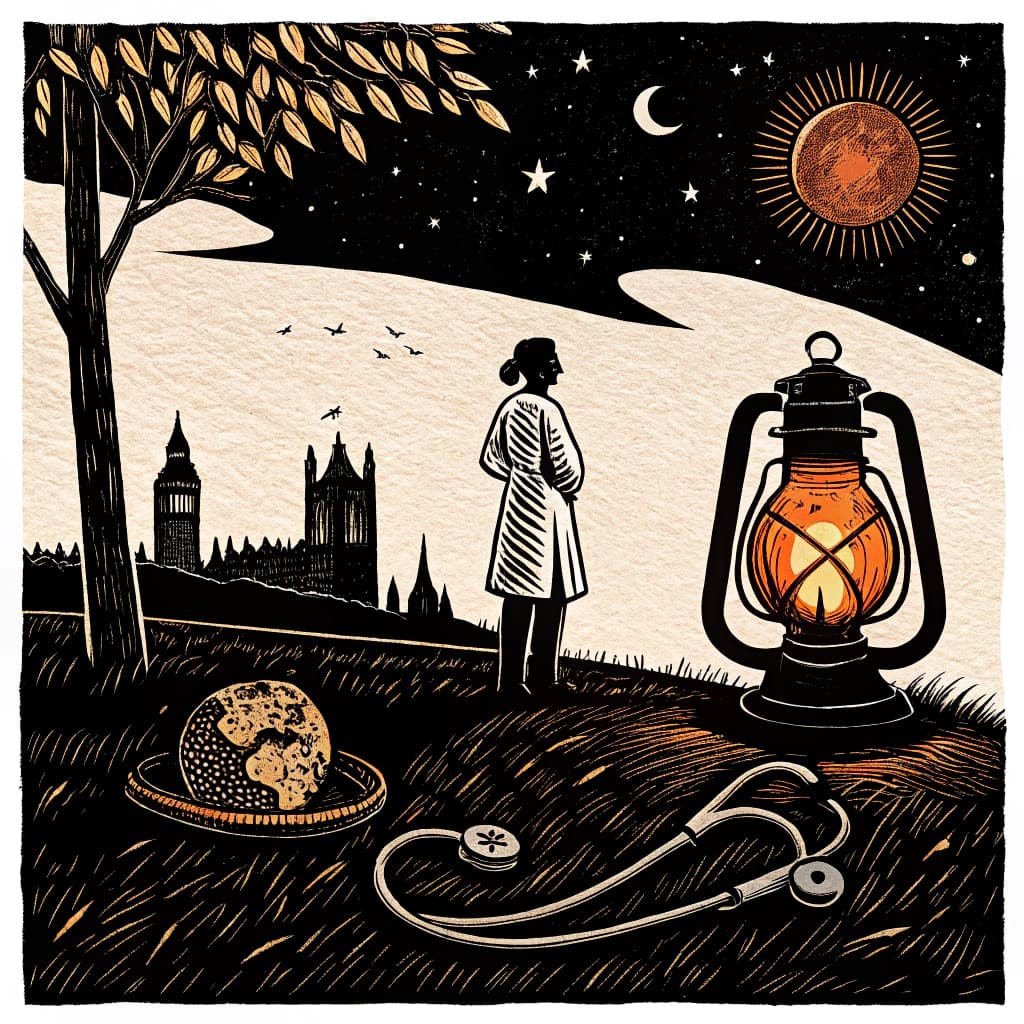
Florence Nightingale: Early Life and Calling
Investigating Florence Nightingale's childhood and the societal expectations she defied to pursue nursing.
TL;DR:Active learning helps students connect emotionally and intellectually with Florence Nightingale’s story by stepping into her world. When children role-play hospital inspections or analyze historical artifacts, they move beyond abstract facts to understand her real-world impact. This hands-on approach builds both empathy and historical thinking skills.
About This Topic
This topic explores the life and legacy of Florence Nightingale, focusing on her revolutionary work during the Crimean War. Students learn how her observations on cleanliness and hospital organization saved countless lives, moving medicine away from outdated Victorian practices toward modern nursing standards. This study aligns with the KS1 requirement to learn about significant individuals who have contributed to national and international achievements.
By examining Nightingale's use of data and her insistence on hygiene, children begin to understand the concept of cause and effect in history. They see how one person's determination can change systems for everyone. This topic comes alive when students can physically model the patterns of a clean versus an unclean ward through role play and sorting activities.
Key Questions
- Who was Florence Nightingale and what did she do to help sick people?
- What does a nurse do to help patients feel better?
- How is a hospital today different from a hospital 150 years ago?
Learning Objectives
- Identify key events in Florence Nightingale's childhood that influenced her decision to become a nurse.
- Explain the societal expectations for women in Victorian England and how Nightingale defied them.
- Describe the role of a nurse in caring for sick people, based on Nightingale's early understanding.
- Compare the typical conditions of a hospital in the mid-19th century with those of a modern hospital.
Before You Start
Why: Students need a basic understanding of family structures and roles to grasp the societal expectations placed upon individuals, particularly women, in the past.
Why: A foundational understanding of what it means to care for someone who is unwell or needs help is necessary to appreciate the role of a nurse.
Key Vocabulary
| Victorian era | The period of Queen Victoria's reign in Britain, from 1837 to 1901, a time of significant social and industrial change. |
| Calling | A strong feeling that you are meant to do a particular job or activity, especially one that involves helping others. |
| Societal expectations | What people in a particular society believe is the right or normal way for someone to behave or live. |
| Nurse | A person trained to care for the sick or injured, providing comfort and medical assistance. |
Watch Out for These Misconceptions
Common MisconceptionFlorence Nightingale was the only nurse in the Crimea.
What to Teach Instead
While she was a leader, she led a team of 38 nurses. Using a group role play helps students see that nursing was a collaborative effort involving many brave women.
Common MisconceptionShe only helped people by being kind and holding a lamp.
What to Teach Instead
Her biggest impact was actually through math, science, and changing rules about cleaning. Hands-on sorting of 'clean vs dirty' tools helps children grasp her scientific approach.
Active Learning Ideas
See all activities→Simulation Game
The Ward Inspector
Set up two 'hospital wards' in the classroom, one messy and one clean. Students take on the role of Florence Nightingale, using a checklist to identify hazards like dirty water or unwashed bandages and 'fixing' them to see how the environment changes.
Think-Pair-Share
The Lady with the Lamp
Show an image of Florence Nightingale walking through the dark wards. Students first think about why she carried a lamp, then discuss with a partner what the soldiers might have felt when they saw her, before sharing their ideas with the class.
Inquiry Circle
Sorting the Suitcase
Provide a collection of objects (soap, bandages, a lamp, a diary, a toy rat). Groups must decide which items Florence would have packed for the Crimea and explain why each item was important for her mission.
Real-World Connections
- Many young people today feel a 'calling' to careers in healthcare, such as nursing or medicine, inspired by a desire to help others and make a difference in their communities.
- Hospitals like Great Ormond Street in London, a world-leading children's hospital, continue Florence Nightingale's legacy by focusing on patient care, hygiene, and innovative medical treatments.
Assessment Ideas
Provide students with a card. Ask them to draw one picture showing something Florence Nightingale might have done as a child that showed her interest in caring for others. Then, ask them to write one sentence about what a nurse does.
Ask students: 'Imagine you are a young woman in Florence Nightingale's time. What might your family expect you to do? How was Florence different?' Guide them to discuss societal roles and personal choices.
Show students two images: one of a Victorian hospital ward and one of a modern hospital room. Ask them to point to three differences they observe and explain why these differences are important for patient care.
Frequently Asked Questions
Why is Florence Nightingale still important in the UK today?
How do I explain the Crimean War to Year 2 students?
What are the best hands-on strategies for teaching Florence Nightingale?
Did Florence Nightingale meet Mary Seacole?
Planning templates for History
5E Model
The 5E Model structures lessons through five phases (Engage, Explore, Explain, Elaborate, and Evaluate), guiding students from curiosity to deep understanding through inquiry-based learning.
Unit PlannerThematic Unit
Organize a multi-week unit around a central theme or essential question that cuts across topics, texts, and disciplines, helping students see connections and build deeper understanding.
RubricSingle-Point Rubric
Build a single-point rubric that defines only the "meets standard" level, leaving space for teachers to document what exceeded and what fell short. Simple to create, easy for students to understand.
More in Nursing and Medical Pioneers
Nightingale's Crimean War Reforms
Discovering how Florence Nightingale transformed hospital hygiene and patient care during the Crimean War.
8 methodologies
Mary Seacole: Jamaican Healer to Crimean Nurse
Learning about Mary Seacole's journey from Jamaica to the Crimea and her unique contributions to soldier care.
8 methodologies
Edith Cavell: Bravery in WWI
Examining the life of Edith Cavell and her courage in helping soldiers from all sides during the First World War.
8 methodologies
Hospitals: Victorian Era vs. Today
Comparing medical care from the Victorian era to modern-day National Health Service practices.
8 methodologies
The Role of Doctors and Nurses
Exploring the evolving roles of medical professionals from the 19th century to the present day.
8 methodologies
Introduction to the NHS
Understanding the origins and importance of the National Health Service in providing healthcare for all.
8 methodologies