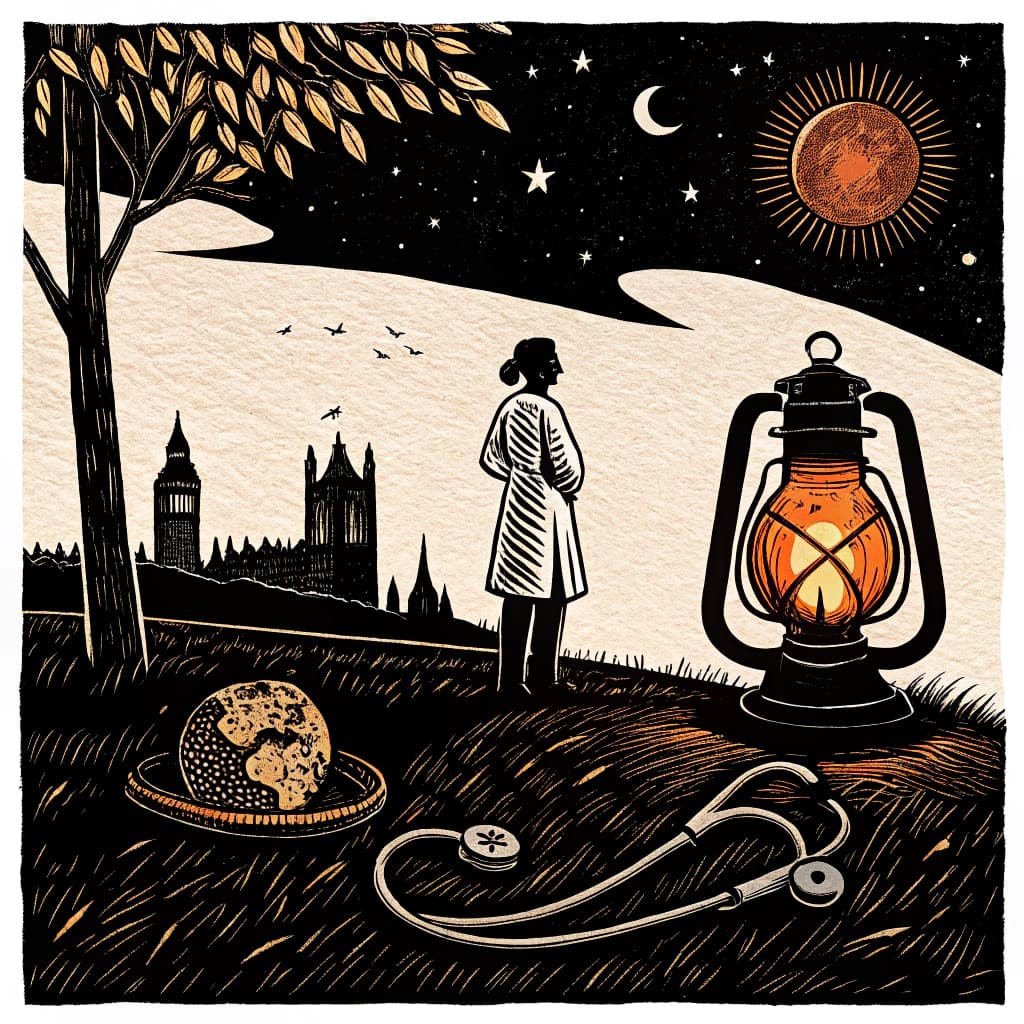
Mary Seacole: Jamaican Healer to Crimean Nurse
Learning about Mary Seacole's journey from Jamaica to the Crimea and her unique contributions to soldier care.
TL;DR:Active learning connects students to Mary Seacole’s real-life experiences across continents and war zones. Hands-on activities help Year 2 learners grasp geography, empathy, and historical contributions through movement, role-play, and collaborative tasks rather than passive listening.
About This Topic
Mary Seacole was a Jamaican healer who became a nurse during the Crimean War. Born in Kingston, Jamaica, to a Jamaican mother skilled in herbal medicine and a Scottish father, she learned nursing from childhood. Year 2 students explore her journey across the Atlantic to Crimea in 1855, where she established the British Hotel near Balaclava. There, she provided food, care, and herbal remedies to wounded soldiers, often visiting battlefields to treat the injured directly.
This topic fits KS1 History by studying significant individuals and considering historical interpretations. Students examine primary sources like her autobiography 'Wonderful Adventures of Mrs. Seacole in Many Lands' and images of her work. They develop skills in chronology, empathy, and understanding diversity, as Seacole's mixed heritage and self-funded efforts challenge narrow views of Victorian Britain. Key questions guide inquiry: her origins, soldier care methods, and overcoming prejudice.
Active learning suits this topic because students engage through role-play and artifacts, making her resilience tangible. Hands-on timelines and empathy maps help young learners connect past events to personal values, fostering memorable discussions on perseverance.
Key Questions
- Who was Mary Seacole and where did she come from?
- How did Mary Seacole help soldiers during the war?
- What problems do you think Mary Seacole faced and how did she deal with them?
Learning Objectives
- Identify Mary Seacole's country of origin and her early life experiences that influenced her nursing career.
- Explain the methods Mary Seacole used to care for wounded soldiers in the Crimea.
- Compare the challenges faced by Mary Seacole with those faced by modern nurses.
- Classify the types of remedies and care Mary Seacole provided to soldiers.
Before You Start
Why: Students need a basic understanding that people come from different places and have different traditions to appreciate Mary Seacole's Jamaican heritage.
Why: Prior knowledge of people who help in the community, like doctors and nurses, provides a foundation for understanding Seacole's role.
Key Vocabulary
| Herbal remedies | Medicines or treatments made from plants, used by Mary Seacole to help soldiers. |
| Crimean War | A war fought between 1853 and 1856, during which Mary Seacole provided care to soldiers. |
| British Hotel | The name of the establishment Mary Seacole set up near the battlefields to provide food and lodging for soldiers. |
| Resilience | The ability to cope with difficulties and bounce back, a quality Mary Seacole demonstrated throughout her life. |
Watch Out for These Misconceptions
Common MisconceptionMary Seacole was born in Britain like Florence Nightingale.
What to Teach Instead
Seacole was born in Jamaica with Jamaican and Scottish heritage. Mapping activities reveal her transatlantic journey, helping students visualize global connections and correct Eurocentric views through peer discussions.
Common MisconceptionSeacole only copied Nightingale's nursing methods.
What to Teach Instead
Seacole used unique herbal remedies from Jamaica and funded her own hotel. Role-play comparisons highlight differences, as students debate interpretations and build nuanced historical understanding.
Common MisconceptionSeacole faced no real obstacles.
What to Teach Instead
She encountered racism and funding issues but persisted. Empathy role-plays let students voice challenges, correcting oversimplifications via shared reflections.
Active Learning Ideas
See all activities→Hot Seat
Timeline Build: Seacole's Journey
Provide cards with key events from Seacole's life, such as birth in Jamaica, travel to Crimea, and opening the British Hotel. In small groups, students sequence them on a class timeline strip, adding drawings or labels. Discuss challenges at each stage.
Hot Seat
Role-Play: Battlefield Nurse
Assign roles as soldiers, Seacole, or doctors. Students act out a scene where Seacole treats injuries with herbal poultices and serves meals. Debrief with shares on her problem-solving.
Hot Seat
Map Quest: From Jamaica to Crimea
Use a large world map. Pairs mark Seacole's travels with string and pins, noting distances and reasons for stops. Add fact bubbles about her work in each place.
Real-World Connections
- Paramedics today use advanced medical kits and training to provide immediate care at accident scenes, similar to how Mary Seacole treated soldiers on the battlefield.
- Hospitals worldwide, like Great Ormond Street in London, continue the tradition of nursing care, with staff often specializing in different areas of medicine, just as Seacole focused on soldiers' needs.
Assessment Ideas
Provide students with a card. Ask them to draw one picture of how Mary Seacole helped soldiers and write one sentence explaining their drawing. Collect these to check understanding of her contributions.
Ask students: 'Imagine you are a soldier injured in the Crimea. What would you want Mary Seacole to do for you? Why?' Facilitate a class discussion, noting student responses that reflect empathy and understanding of her care.
Show images of Mary Seacole or her hotel. Ask students to point to the image and state one fact they remember about her. This checks recall of key information.
Frequently Asked Questions
Who was Mary Seacole and where did she come from?
How did Mary Seacole help soldiers in the Crimean War?
What problems did Mary Seacole face and how did she overcome them?
How does active learning help teach Mary Seacole's story?
Planning templates for History
5E Model
The 5E Model structures lessons through five phases (Engage, Explore, Explain, Elaborate, and Evaluate), guiding students from curiosity to deep understanding through inquiry-based learning.
Unit PlannerThematic Unit
Organize a multi-week unit around a central theme or essential question that cuts across topics, texts, and disciplines, helping students see connections and build deeper understanding.
RubricSingle-Point Rubric
Build a single-point rubric that defines only the "meets standard" level, leaving space for teachers to document what exceeded and what fell short. Simple to create, easy for students to understand.
More in Nursing and Medical Pioneers
Florence Nightingale: Early Life and Calling
Investigating Florence Nightingale's childhood and the societal expectations she defied to pursue nursing.
8 methodologies
Nightingale's Crimean War Reforms
Discovering how Florence Nightingale transformed hospital hygiene and patient care during the Crimean War.
8 methodologies
Edith Cavell: Bravery in WWI
Examining the life of Edith Cavell and her courage in helping soldiers from all sides during the First World War.
8 methodologies
Hospitals: Victorian Era vs. Today
Comparing medical care from the Victorian era to modern-day National Health Service practices.
8 methodologies
The Role of Doctors and Nurses
Exploring the evolving roles of medical professionals from the 19th century to the present day.
8 methodologies
Introduction to the NHS
Understanding the origins and importance of the National Health Service in providing healthcare for all.
8 methodologies