Australia · ACARA Content Descriptions
Year 2 HASS
Year 2 HASS: investigating how the past is different from the present, how technology has changed daily life, and how people are connected to their communities and places.

01The Past Is Different
Students explore how daily life, technology, and communication were different in the past, and why things change over time.
Students will compare and contrast homes from different historical periods with modern homes, identifying changes and continuities.
Students will investigate historical clothing styles, comparing them to contemporary practices and discussing reasons for change.
Students will explore how food was sourced, prepared, and eaten in the past, contrasting it with modern food systems.
Students will explore various historical communication methods, from letters to early telephones, and their impact.
Students will compare historical communication methods with modern digital communication, evaluating their effectiveness.
Students will learn to analyze historical photographs to infer details about past daily life, technology, and social customs.
Students will examine various historical objects to understand their purpose, materials, and the stories they tell about the past.
Students will learn the value of oral histories by listening to and discussing stories from elders or family members about their past experiences.
Students will investigate how classrooms, learning tools, and daily routines in schools have changed since their grandparents' era.
Students will explore the reasons behind historical changes, such as new inventions, societal needs, and cultural shifts.
02Technology Changes Our Lives
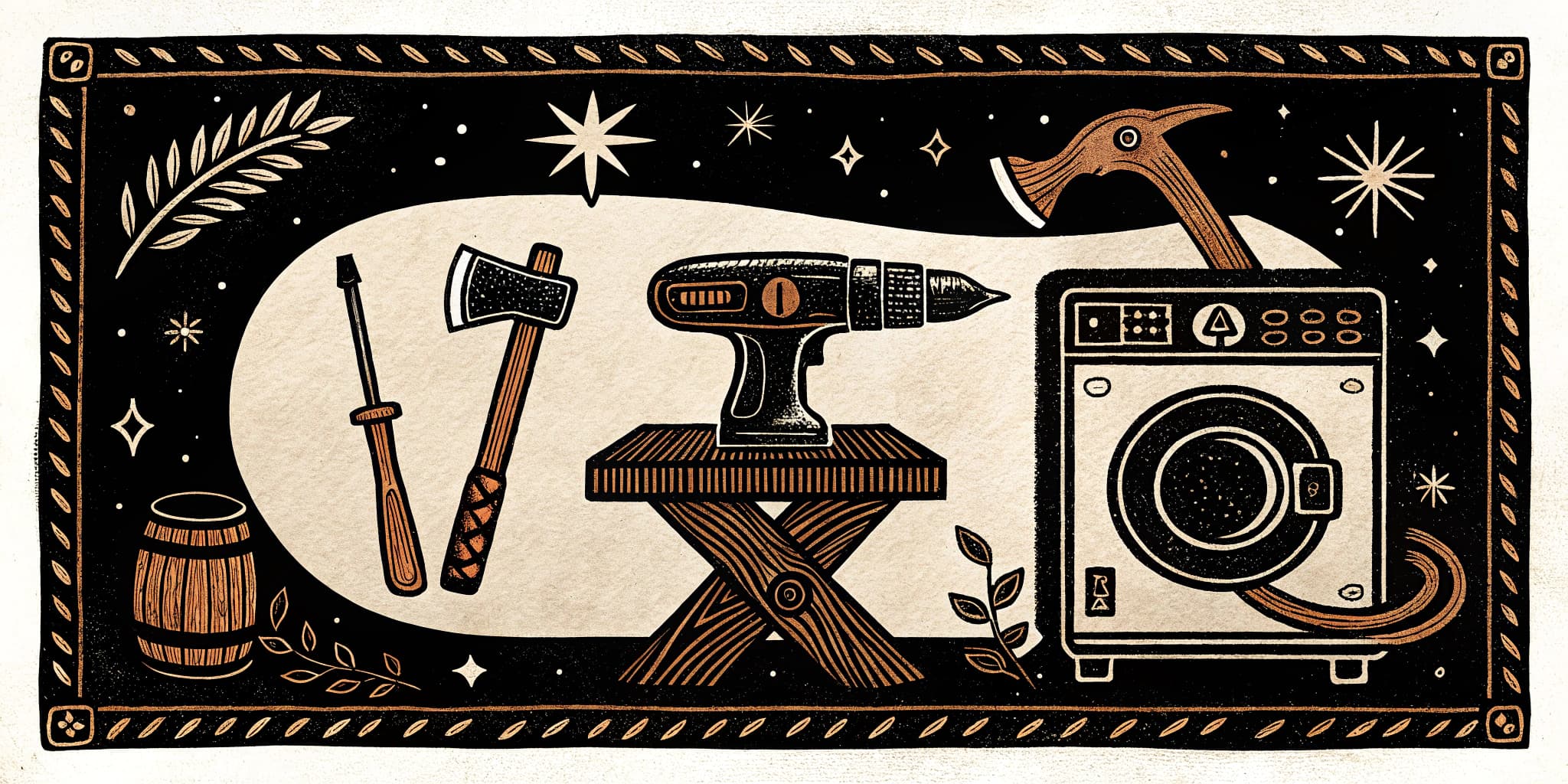
Students investigate how technology has changed the way we live, work, and play, from simple tools to digital devices.
Students will compare simple tools from the past (e.g., hand tools) with their modern equivalents, focusing on efficiency and design.
Students will explore how the invention and widespread use of electricity transformed homes, work, and leisure activities.
Students will identify and discuss the various technologies used in their homes, considering their purpose and impact on family routines.
Students will explore how technology is used in their school for learning, communication, and administrative tasks, and its evolution.
Students will investigate the invention of the wheel and its profound impact on transport, agriculture, and other aspects of human civilization.
Students will learn about the invention of the printing press and its role in spreading information, education, and new ideas.
Students will trace the development of road vehicles from horse-drawn carriages to early automobiles and modern cars, noting key innovations.
Students will explore the history of air and water travel, from early boats and hot air balloons to modern airplanes and ships.
Students will investigate the design and function of traditional Aboriginal and Torres Strait Islander tools, such as boomerangs, spears, and digging sticks.
Students will learn about First Nations technologies related to sustainable living, such as fish traps, water management, and fire stick farming.
03Our Community Connections
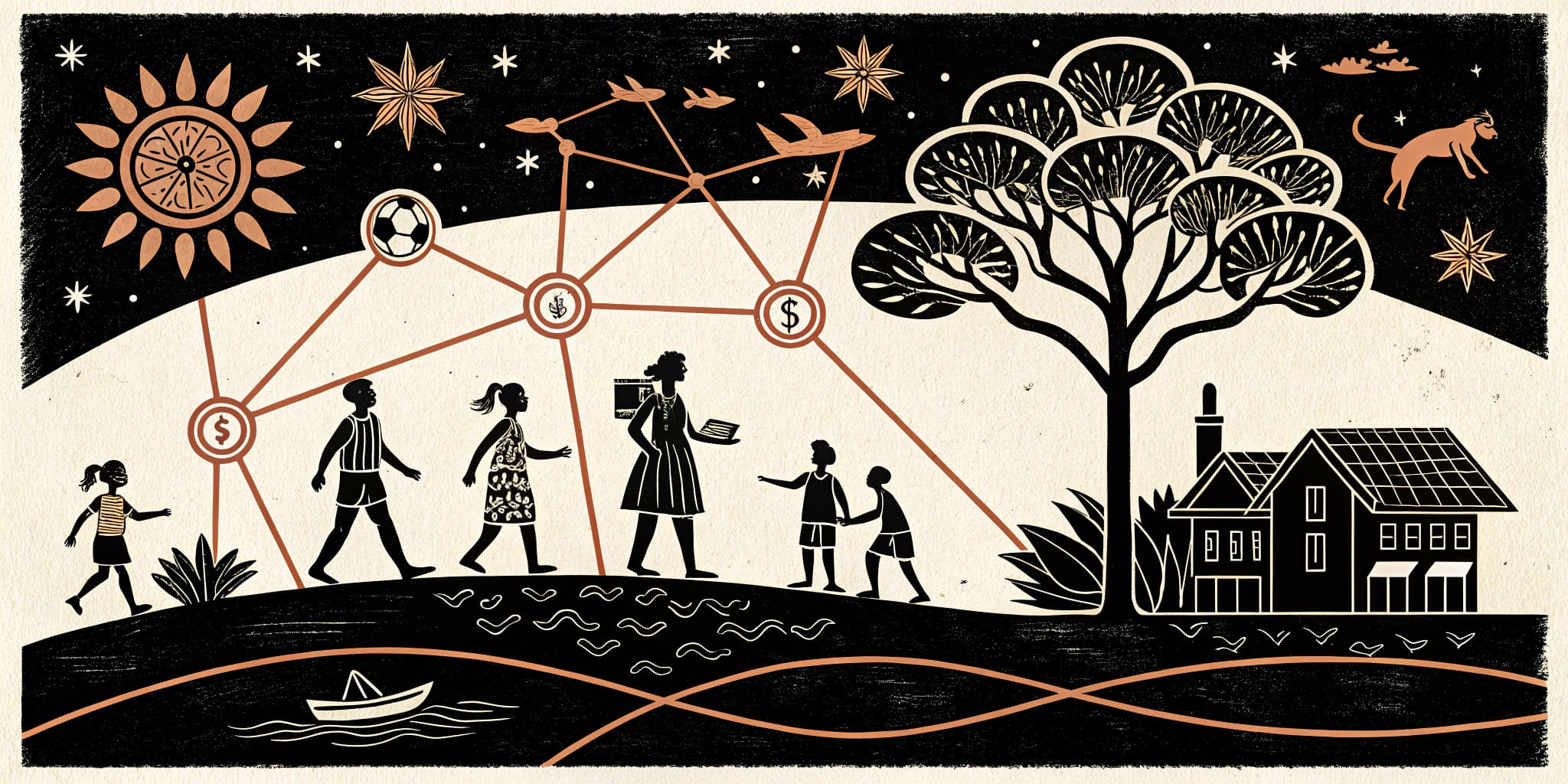
Students explore the communities they belong to, including school, neighbourhood, and cultural groups, and how communities work together.
Students will identify and describe the various communities they are a part of, from family to local clubs, and discuss what defines each.
Students will explore how communities support their members, provide a sense of belonging, and work together to achieve common goals.
Students will identify the different roles within the school community (e.g., principal, teachers, students) and their associated responsibilities.
Students will investigate how decisions are made in the school community, from classroom rules to school-wide initiatives, and the importance of student voice.
Students will learn about the deep spiritual and cultural connection Aboriginal and Torres Strait Islander peoples have to their Country and waterways.
Students will explore traditional Aboriginal and Torres Strait Islander practices for caring for Country, such as sustainable resource management and cultural burning.
Students will investigate various cultural traditions, festivals, and celebrations from different groups within their local community and beyond.
Students will discuss how different cultures, languages, and perspectives enrich a community and foster understanding and respect.
Students will identify various community helpers (e.g., police, firefighters, doctors) and the essential services they provide to keep the community safe and healthy.
Students will explore the purpose of rules and laws in maintaining order, fairness, and safety within a community.
04People and Places Around Us
Students investigate the features of local and distant places, and how people are connected to places through work and play.
Students will identify and describe the natural features of their local environment, such as hills, rivers, and vegetation.
Students will explore human-made features in their local area, such as buildings, roads, and parks, and discuss how they are used.
Students will compare the natural and human features of their local area with those of a contrasting distant place (e.g., desert, city, coastal area).
Students will explore how different cultures and communities have unique connections and relationships with specific places, both locally and globally.
Students will learn about the importance of reducing waste, reusing items, and recycling to protect the environment and conserve resources.
Students will investigate practical ways to conserve water and energy at home and school, understanding their impact on the environment.
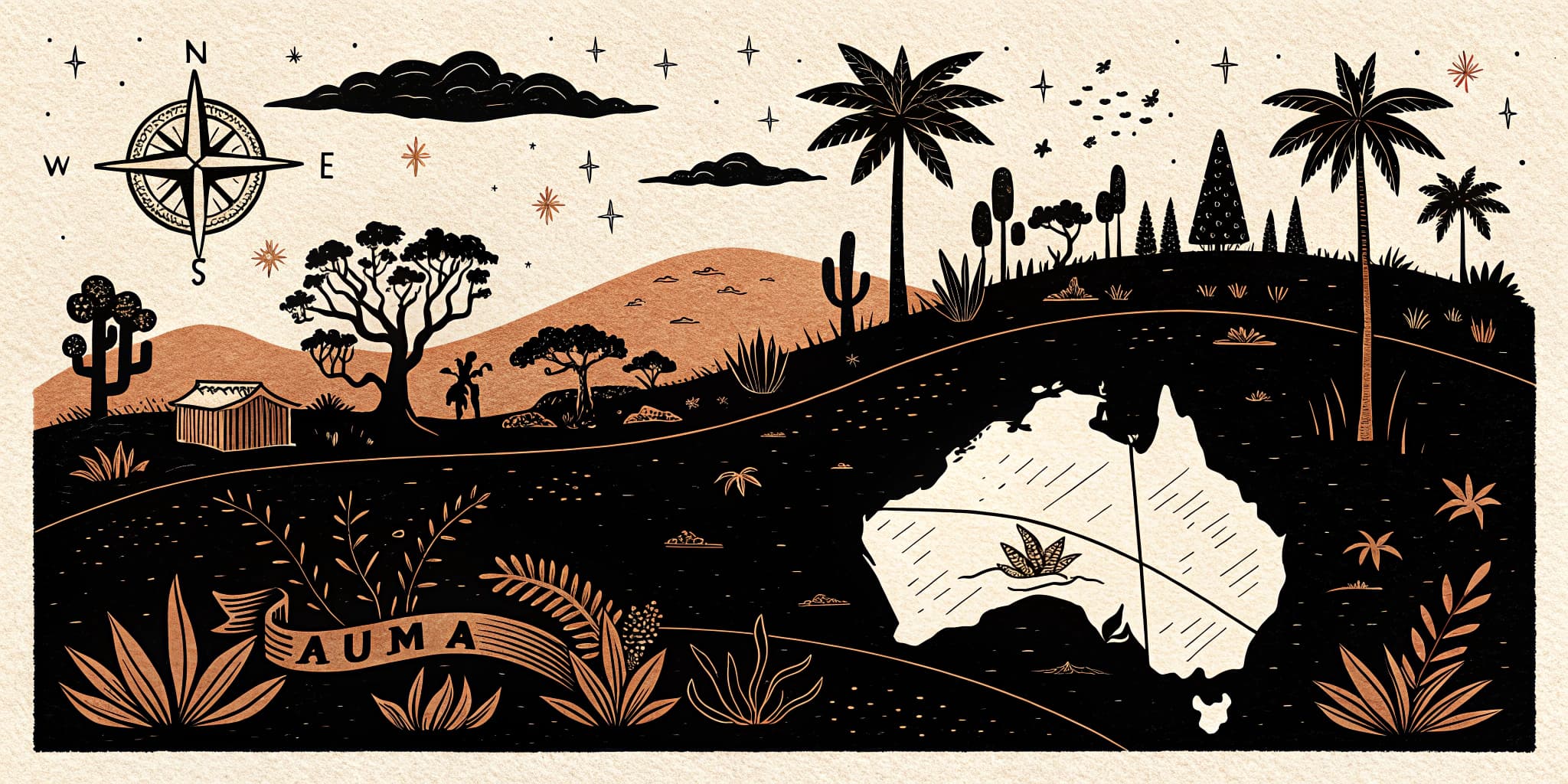
Students will learn the basic components of a map, including titles, legends, and simple symbols, and practice interpreting them.
Students will learn about cardinal directions (North, South, East, West) and practice using them to describe locations and give directions.
Students will work collaboratively to create a simple map of their school grounds, incorporating symbols and cardinal directions.
Students will distinguish between essential needs for survival and non-essential wants, and discuss how these differ across individuals and cultures.
Students will explore the concept of limited resources and how it forces individuals and communities to make choices about needs and wants.
Students will identify and categorize different types of jobs in their community, understanding the diverse skills and contributions involved.
Students will explore how different jobs contribute to the well-being and functioning of the community, creating a web of interconnected services.
Students will trace the journey of everyday items, from their raw material origins through manufacturing processes to becoming finished products.