Interpreting Historical Photographs
Students will learn to analyze historical photographs to infer details about past daily life, technology, and social customs.
TL;DR:Active learning helps Year 2 students engage directly with historical photographs, turning passive observation into thoughtful inquiry. When children manipulate images, compare details, and role-play scenarios, they practice historical thinking skills like inference and comparison in a way that sticks.
About This Topic
Interpreting historical photographs introduces Year 2 students to historical inquiry through visual sources. They learn to observe details in old images, such as clothing, tools, transport, homes, and daily activities, to infer aspects of past life. Students address key questions: What can we learn about how people lived in the past by looking at old photographs? How are the things and activities different from today? Why are photographs useful for understanding the past? This process highlights changes over time and the value of primary sources.
Aligned with the Australian Curriculum HASS, this topic supports AC9HASS2K01 on recognising historical sources and AC9HASS2S01 on developing questions, planning data collection, and drawing conclusions. It builds visual literacy, observation skills, and the ability to make evidence-based inferences. Students compare past and present, fostering an understanding that the past differed in technology, customs, and routines, while developing empathy for people in other times.
Active learning benefits this topic because students actively engage with enlarged photos or digital images through discussion and annotation. In pairs or small groups, they share observations and test inferences against evidence, making history tangible and collaborative. This approach strengthens retention, encourages critical thinking, and turns abstract concepts into personal discoveries.
Key Questions
- What can we learn about how people lived in the past by looking at old photographs?
- How are the things and activities you see in old photos different from what you see today?
- Why are photographs useful for helping us understand what life was like long ago?
Learning Objectives
- Analyze historical photographs to identify at least three details about past daily life, such as clothing, tools, or activities.
- Compare specific elements observed in historical photographs with their modern equivalents, explaining at least two key differences.
- Explain why historical photographs are valuable primary sources for understanding life in the past, citing at least one specific example from an image.
- Classify observed objects or activities in photographs as evidence of technological advancements or social customs of the past.
Before You Start
Why: Students need to be able to carefully look at and describe the features of objects before they can analyze them in a photograph.
Why: A foundational understanding of recognizing people, clothing, and different environments is necessary to interpret historical images.
Key Vocabulary
| Historical Photograph | A photograph taken in the past, serving as a visual record of people, places, and events from an earlier time. |
| Primary Source | An original object or document created during the time period being studied, offering direct evidence about the past. |
| Inference | A conclusion reached on the basis of evidence and reasoning, using clues from a photograph to figure out something not directly stated. |
| Daily Life | The routine activities, customs, and circumstances that characterized how people lived on a day-to-day basis in a particular time and place. |
Watch Out for These Misconceptions
Common MisconceptionOld photos are always black and white because the world was colourless then.
What to Teach Instead
Colour existed in the past; early film technology captured only black and white. Show examples of old colour photos and discuss camera limitations. Small group sorting of colour vs. monochrome images helps students test this idea against evidence.
Common MisconceptionPeople in historical photos look unhappy because life was harder without modern technology.
What to Teach Instead
Facial expressions and activities often show joy or routine; context matters. Peer discussions of multiple photos reveal varied emotions. Role-playing scenes from images lets students explore perspectives actively.
Common MisconceptionEverything in old photos happened exactly as we see it, with no changes.
What to Teach Instead
Photos capture moments but need context from other sources. Comparing photos over time in stations builds understanding of sequences. Group timelines from photo evidence corrects static views.
Active Learning Ideas
See all activities→Stations Rotation
Small Groups: Photo Observation Stations
Print or project 4-6 historical Australian photos at stations. Each group spends 5 minutes per station: list 3 observations, 2 inferences, 1 question on sticky notes. Rotate and compare notes as a class.
Stations Rotation
Pairs: Then-and-Now Comparisons
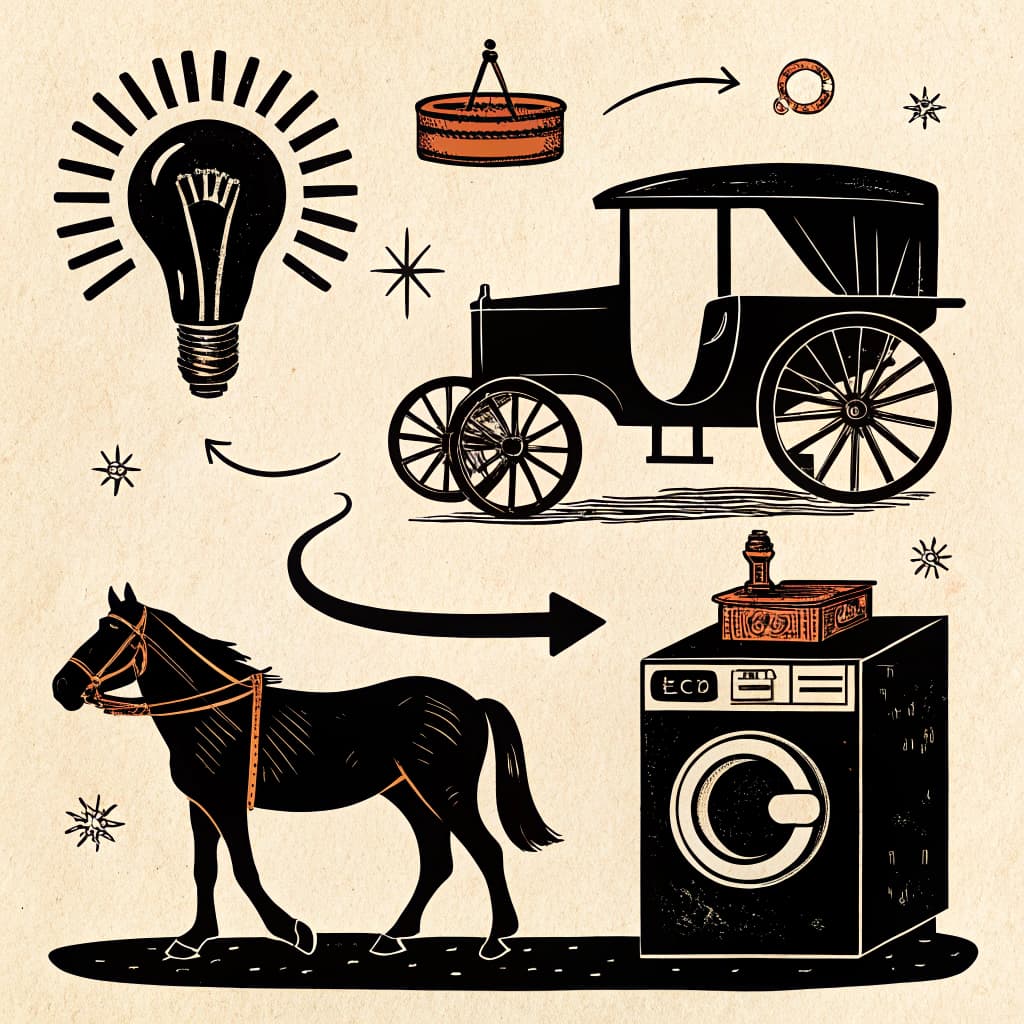
Pair each historical photo with a modern equivalent (e.g., horse cart vs. car). Partners discuss and record 3 differences in daily life or technology on a Venn diagram. Share one key change with the class.
Stations Rotation
Whole Class: Inference Role-Play
Select a photo; class brainstorms roles and activities. Students role-play the scene in freeze frames, explaining choices based on photo evidence. Debrief on what clues supported their ideas.
Real-World Connections
- Museum curators, like those at the National Museum of Australia, use historical photographs extensively to interpret and display exhibits about Australian history, helping visitors understand past ways of life.
- Genealogists and family historians often examine old family photographs to learn about their ancestors' lives, including their homes, clothing, and social gatherings.
- Documentary filmmakers use historical photographs as visual evidence to reconstruct past events and provide context for stories about historical periods and people.
Assessment Ideas
Provide students with a historical photograph. Ask them to write down two things they can infer about the people or their lives from the photo, and one question they have about it.
Display two photographs from different eras (e.g., a 1920s street scene and a modern street scene). Ask students: 'What are three major differences you observe between these two scenes? What do these differences tell us about changes over time?'
Show a historical photograph of children playing. Ask students to point to specific details in the photo and explain what those details suggest about the children's games or toys compared to toys today.
Frequently Asked Questions
How to teach interpreting historical photographs in Year 2 HASS?
What activities work best for historical photos in Australian Curriculum Year 2?
How active learning helps students interpret historical photographs?
Common misconceptions about historical photos for young learners?
More in The Past Is Different
Comparing Homes: Past vs. Present
Students will compare and contrast homes from different historical periods with modern homes, identifying changes and continuities.
8 methodologies
Clothing and Fashion Through Time
Students will investigate historical clothing styles, comparing them to contemporary practices and discussing reasons for change.
8 methodologies
Food Sources and Preparation: Then & Now
Students will explore how food was sourced, prepared, and eaten in the past, contrasting it with modern food systems.
8 methodologies
Early Communication Methods
Students will explore various historical communication methods, from letters to early telephones, and their impact.
8 methodologies
Digital Communication Today
Students will compare historical communication methods with modern digital communication, evaluating their effectiveness.
8 methodologies
Objects as Historical Evidence
Students will examine various historical objects to understand their purpose, materials, and the stories they tell about the past.
8 methodologies