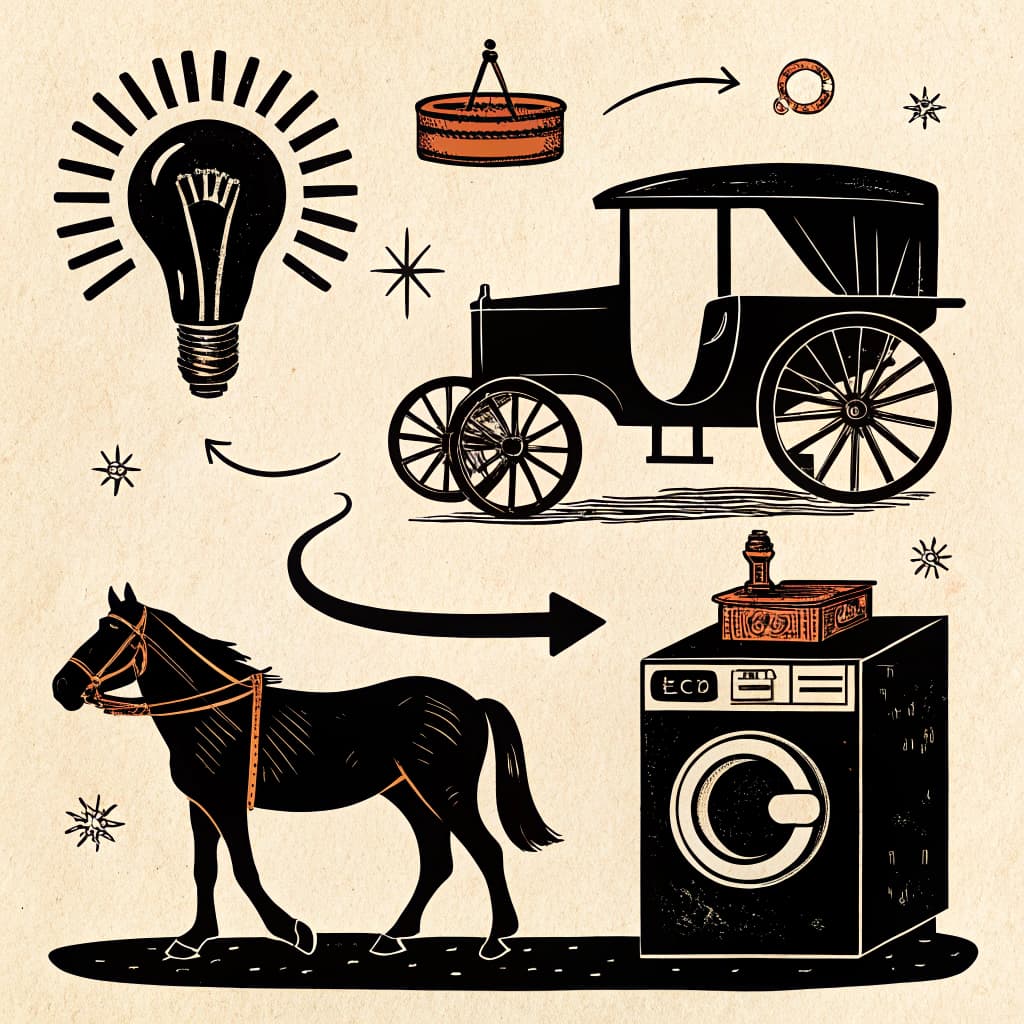
Food Sources and Preparation: Then & Now
Students will explore how food was sourced, prepared, and eaten in the past, contrasting it with modern food systems.
TL;DR:History comes alive when students actively engage with evidence, and this topic makes that possible by turning classrooms into detective workshops. When learners handle artifacts, interview each other, and examine photos, they connect abstract timelines to tangible human experience.
About This Topic
This topic focuses on the 'how' of history: the methods we use to uncover stories from before we were born. Students learn to be 'history detectives' by using primary sources such as photographs, physical artifacts, and oral histories. This aligns with AC9HASS2K01 and AC9HASS2S01, emphasizing the use of sources to identify the past and present.
For Australian students, this includes a deep explore the importance of oral tradition within First Nations cultures, where stories have been passed down for over 65,000 years. By engaging with these diverse sources, students learn that history is not just in books but all around them in their families and communities. This topic comes alive when students can physically model the patterns of storytelling and investigate real objects from their own local area.
Key Questions
- How did people get and prepare their food long ago compared to how we do it today?
- How has technology changed the way food is grown, made, and brought to our homes?
- What do you think might happen to the way we eat if the way we get food keeps changing?
Learning Objectives
- Compare methods of food sourcing and preparation from the past with those used today.
- Explain how technological advancements have influenced food production and distribution.
- Identify differences in eating habits and meal structures between historical periods and the present.
- Predict potential future changes in food consumption based on current trends in food systems.
Before You Start
Why: Students should have a basic understanding of different jobs people do in a community, which can include roles related to food production and preparation.
Why: Understanding that food is a basic need helps students grasp the importance of how it is obtained and prepared.
Key Vocabulary
| Sourcing | The process of finding and obtaining food, whether by hunting, gathering, or growing. |
| Preservation | Methods used to keep food from spoiling, such as drying, salting, or pickling. |
| Technology | Tools, machines, and methods created to solve problems or make tasks easier, such as tractors or refrigerators. |
| Distribution | The process of moving food from where it is produced to where people can buy and eat it. |
| Subsistence farming | Growing just enough food to feed one's family, with little or no surplus to sell. |
Watch Out for These Misconceptions
Common MisconceptionHistory is only found in books.
What to Teach Instead
Many students think history is a finished story written by experts. Hands-on investigation of artifacts helps them see that history is something we 'build' using clues from the world around us.
Common MisconceptionOld stories are just 'make-believe'.
What to Teach Instead
Students sometimes confuse oral histories with fairy tales. Comparing oral accounts with physical evidence (like a photo of the event described) helps them understand the reliability of spoken records.
Active Learning Ideas
See all activities→Inquiry Circle
The Artifact Detective
Provide small groups with a 'mystery object' from a local museum or op-shop. Students use a checklist to record what it's made of, how it feels, and what they think it was for before sharing their findings with the class.
Think-Pair-Share
Oral History Interview
Students prepare three questions to ask an elder. They practice these questions in pairs, role-playing the interview, then discuss why hearing a story from a person feels different than reading it in a book.
Gallery Walk
Photo Analysis
Display five large photos of the local area from different decades. Students move in groups to each photo, using magnifying glasses to find 'clues' about the time period, such as car styles or clothing.
Real-World Connections
- Farmers today use large machinery like harvesters and tractors, and advanced irrigation systems to grow food efficiently for many people, unlike farmers in the past who relied on hand tools and animal power.
- Supermarkets and online grocery services provide access to a wide variety of foods from all over the world year-round, a contrast to past communities that primarily ate seasonal, locally grown foods.
- Food scientists and engineers develop new ways to preserve food, like vacuum sealing and pasteurization, to extend shelf life and ensure safety, reducing the need for traditional methods like smoking or canning at home.
Assessment Ideas
Present students with two images: one showing a historical kitchen with a wood stove and hand tools, and another showing a modern kitchen with an electric stove and microwave. Ask: 'What differences do you notice in how food might be prepared in these two kitchens? What tools are being used, and how might they change the time it takes to cook?'
Give each student a card with the question: 'Name one way people got their food long ago and one way they get their food today. What is one piece of technology that helps us get food today?'
Show students pictures of different food preservation methods (e.g., drying fruit, canning vegetables, refrigerating milk). Ask them to sort the pictures into two groups: 'Methods used long ago' and 'Methods used today'. Discuss why they sorted them that way.
Frequently Asked Questions
How do I explain the difference between a primary and secondary source?
Why is oral history so important in the Australian curriculum?
What are the best hands-on strategies for teaching historical inquiry?
How can I involve families in this topic?
More in The Past Is Different
Comparing Homes: Past vs. Present
Students will compare and contrast homes from different historical periods with modern homes, identifying changes and continuities.
8 methodologies
Clothing and Fashion Through Time
Students will investigate historical clothing styles, comparing them to contemporary practices and discussing reasons for change.
8 methodologies
Early Communication Methods
Students will explore various historical communication methods, from letters to early telephones, and their impact.
8 methodologies
Digital Communication Today
Students will compare historical communication methods with modern digital communication, evaluating their effectiveness.
8 methodologies
Interpreting Historical Photographs
Students will learn to analyze historical photographs to infer details about past daily life, technology, and social customs.
8 methodologies
Objects as Historical Evidence
Students will examine various historical objects to understand their purpose, materials, and the stories they tell about the past.
8 methodologies