Impact of Electricity on Daily Life
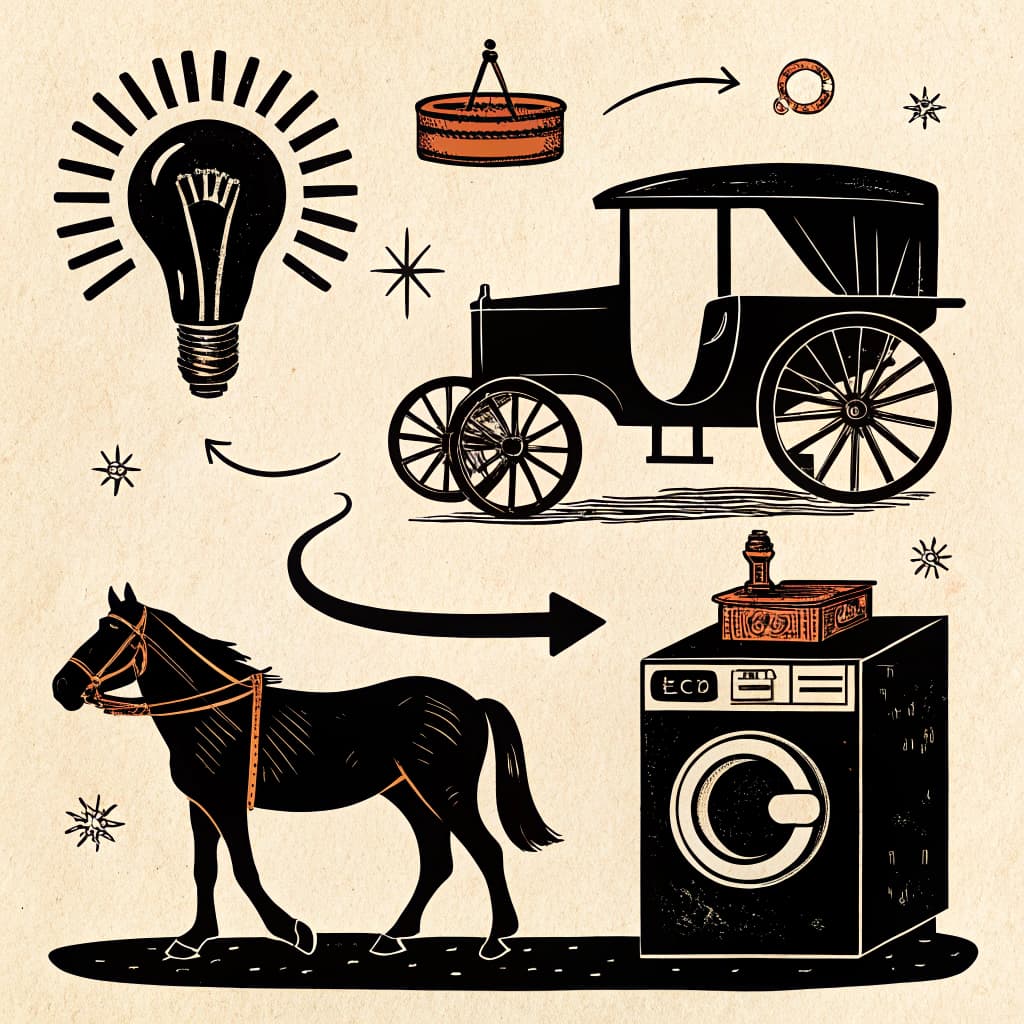
Students will explore how the invention and widespread use of electricity transformed homes, work, and leisure activities.
TL;DR:Active learning turns abstract ideas about electricity into concrete experiences students can see and feel. Hands-on tasks let them observe firsthand how technology shapes their daily routines, making the topic both visible and memorable. These activities ground discussions in real objects and situations students already know.
About This Topic
This topic examines the pervasive role of technology in the immediate environments of home and school. Students identify the devices they use daily, from smartboards and iPads to kettles and washing machines, and consider how these objects shape their routines. This connects to AC9HASS2K02, focusing on the impact of technology on daily life.
Beyond just listing devices, students are encouraged to think critically about the 'invisible' technology that supports them, such as electricity and Wi-Fi. They also explore the social impact: how technology can help us learn and connect, but also how it might change the way we play or talk to each other. This topic comes alive when students can physically model the patterns of their daily routines and debate the pros and cons of a 'tech-free' day.
Key Questions
- How did everyday life change when electricity became available to most people?
- What would a day without electricity look like compared to a day with it?
- What challenges do you think people faced before electricity was available in their homes?
Learning Objectives
- Compare daily routines before and after the widespread availability of electricity.
- Explain how specific electrical appliances changed household chores and work.
- Identify challenges faced by people living without electricity in their homes.
- Evaluate the impact of electricity on leisure activities and entertainment.
- Classify common household items as either electrically powered or non-electrically powered.
Before You Start
Why: Students need to be able to recognize and name everyday items before they can discuss how electricity affects their use.
Why: Understanding fundamental human needs like cooking, cleaning, and staying warm helps students grasp the significance of how electricity meets these needs.
Key Vocabulary
| Electricity | A form of energy that powers many devices, making them work. It flows through wires. |
| Appliance | A machine or device designed to perform a specific task, especially a domestic one, often powered by electricity. |
| Illumination | The action of supplying light, or the state of being lit up. Before electricity, this often meant candles or gas lamps. |
| Automation | The use of technology, like electrical appliances, to do tasks that were previously done by people. |
Watch Out for These Misconceptions
Common MisconceptionLife was 'boring' before iPads and TV.
What to Teach Instead
Students often can't imagine entertainment without screens. Peer discussions about traditional games, outdoor play, and storytelling help them see that 'fun' has always existed in different forms.
Common MisconceptionAll technology is good for us.
What to Teach Instead
Children often see tech as purely helpful. Structured debates about 'screen time' or 'distraction' help them develop a balanced view of how technology affects their health and relationships.
Active Learning Ideas
See all activities→Think-Pair-Share
The Tech-Free Challenge
Students imagine their house has no electricity for a whole day. They think of three things they couldn't do, share with a partner, and then brainstorm one 'old-fashioned' activity they could do instead (like board games or drawing).
Stations Rotation
Classroom Tech Audit
Small groups rotate around the room to find technology used for: 1. Learning, 2. Keeping us comfortable (lights/AC), and 3. Safety. They record their findings on a tally sheet and discuss which is most important.
Role Play
The Helpful Robot
In pairs, one student acts as a 'human' and the other as a 'new invention' designed to help with a household chore (like making the bed). They act out how the invention works and then discuss if it actually makes the job easier.
Real-World Connections
- Consider how a baker in the 1900s used a wood-fired oven, a process requiring constant attention and manual labor, compared to a modern baker using an electric oven with precise temperature controls.
- Think about the work of a laundress before washing machines. She would have spent hours hand-washing clothes in tubs, using a washboard and wringer, a stark contrast to using an electric washing machine and dryer today.
- Imagine a family in the early 20th century gathering for entertainment. Their options might have been reading by lamplight, playing board games, or singing songs, unlike today where families can watch movies or play video games powered by electricity.
Assessment Ideas
Give students a card with the prompt: 'Name one household job that is easier with electricity and explain why.' Students write their answer and hand it in.
Pose the question: 'What would one day without electricity be like for your family?' Ask students to share one specific activity that would be difficult or impossible and why.
Show students pictures of old and new versions of common items (e.g., a hand-cranked ice cream maker vs. an electric one, a gas lamp vs. an electric light bulb). Ask students to point to the item that relies on electricity and explain their choice.
Frequently Asked Questions
How do I teach about technology without making it a list of gadgets?
What is the best way to discuss 'safe' technology use?
How can active learning help students understand technology's impact?
How do I include diverse perspectives on home technology?
More in Technology Changes Our Lives
Simple Tools: Past and Present
Students will compare simple tools from the past (e.g., hand tools) with their modern equivalents, focusing on efficiency and design.
8 methodologies
Everyday Technology at Home
Students will identify and discuss the various technologies used in their homes, considering their purpose and impact on family routines.
8 methodologies
Technology in the Classroom
Students will explore how technology is used in their school for learning, communication, and administrative tasks, and its evolution.
8 methodologies
The Wheel: A Transformative Invention
Students will investigate the invention of the wheel and its profound impact on transport, agriculture, and other aspects of human civilization.
8 methodologies
The Printing Press and Knowledge Sharing
Students will learn about the invention of the printing press and its role in spreading information, education, and new ideas.
8 methodologies
Evolution of Road Transport
Students will trace the development of road vehicles from horse-drawn carriages to early automobiles and modern cars, noting key innovations.
8 methodologies