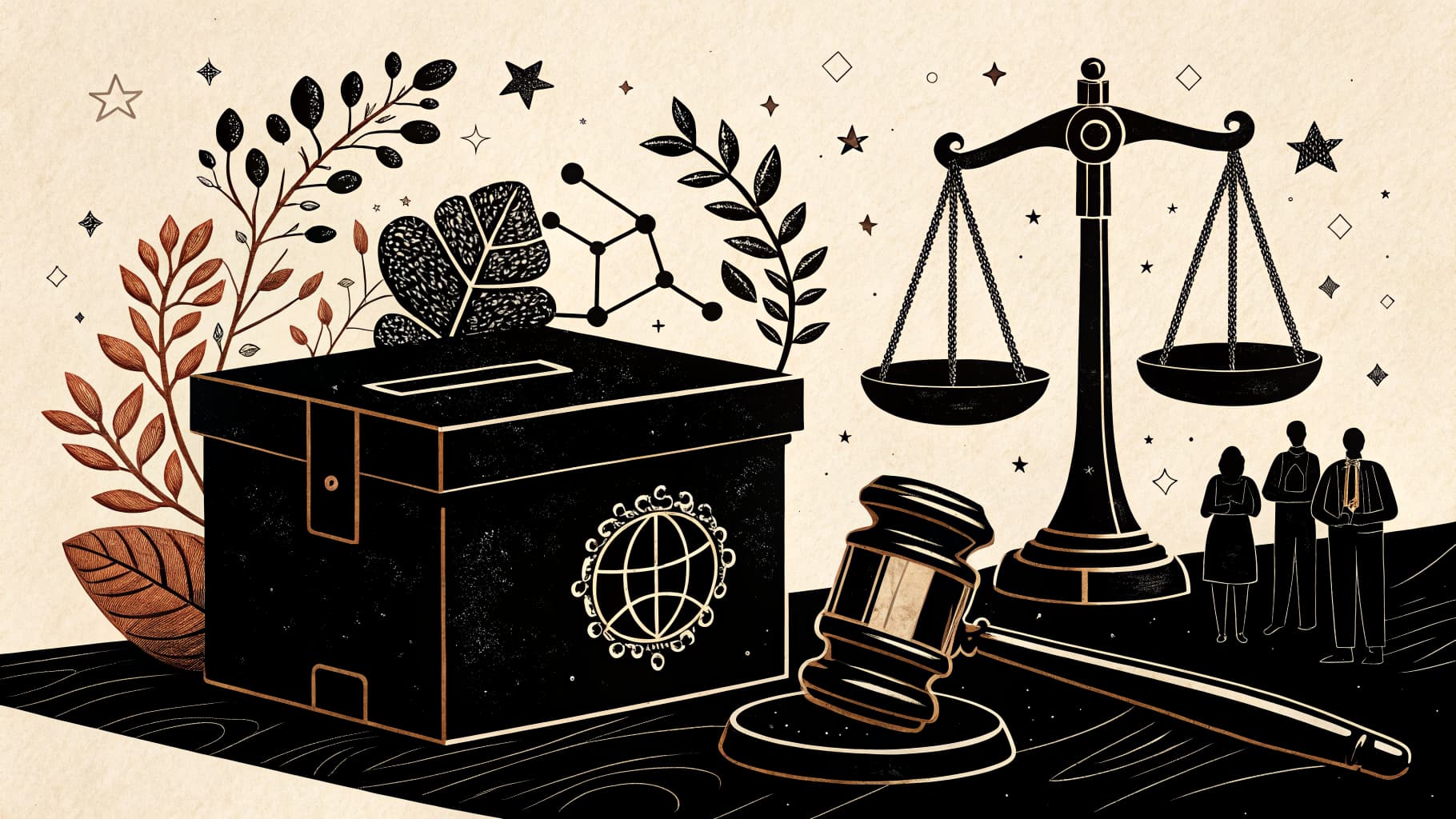
Environmental Citizenship
Considering the responsibility of citizens and states in addressing the climate crisis.
About This Topic
Environmental citizenship is the idea that being a citizen involves a responsibility to protect the planet for current and future generations. Year 9 students will explore the role of the state in regulating carbon emissions and the role of the individual in making sustainable choices. This topic addresses the 'tragedy of the commons', the idea that if everyone acts in their own self-interest, shared resources will be destroyed.
Students will examine international agreements like the Paris Accord and the UK's own 'Net Zero' targets. This unit is vital for understanding the most pressing global challenge of the 21st century. This topic comes alive when students can physically model the impact of different environmental policies on a fictional city or country.
Key Questions
- Analyze the government's role in mandating sustainable behavior for its citizens.
- Justify who should pay for the transition to a green economy: the taxpayer or the polluter?
- Evaluate whether future generations have a legal right to a healthy environment.
Learning Objectives
- Analyze the effectiveness of government policies in mandating sustainable citizen behavior, using the UK's plastic bag charge as a case study.
- Justify a proposed funding model for the transition to a green economy, weighing the financial responsibilities of taxpayers versus polluters.
- Evaluate the legal standing of future generations' right to a healthy environment based on current international environmental law principles.
- Compare the environmental impacts of different economic models, such as circular economy versus linear economy, on resource depletion.
- Synthesize arguments for and against state intervention in regulating individual consumption patterns for environmental benefit.
Before You Start
Why: Students need to understand the basic functions and responsibilities of a democratic government to analyze its role in environmental policy.
Why: Understanding individual rights and responsibilities is foundational to discussing citizens' duties towards the environment and the rights of future generations.
Key Vocabulary
| Tragedy of the Commons | A situation where individuals acting independently and rationally according to their own self-interest behave contrary to the best interests of the whole group by depleting a shared limited resource. |
| Net Zero | A target for achieving an overall balance between greenhouse gas emissions produced and greenhouse gas emissions taken out of the atmosphere. |
| Carbon Footprint | The total amount of greenhouse gases, including carbon dioxide and methane, that are generated by our actions, typically calculated for an individual, organization, or product. |
| Environmental Justice | The fair treatment and meaningful involvement of all people regardless of race, color, national origin, or income, with respect to the development, implementation, and enforcement of environmental laws, regulations, and policies. |
| Sustainable Development | Development that meets the needs of the present without compromising the ability of future generations to meet their own needs. |
Watch Out for These Misconceptions
Common MisconceptionClimate change is only a problem for scientists to solve.
What to Teach Instead
Climate change is a 'wicked problem' that requires political, economic, and social changes. A 'stakeholder mapping' activity helps students see how lawyers, politicians, and citizens all play a role.
Common MisconceptionThe UK is too small to make a difference in global emissions.
What to Teach Instead
While the UK's direct emissions are small, its role in international law and as a financial hub is huge. Peer-research into 'exported emissions' (things we buy from abroad) helps students see the UK's true footprint.
Active Learning Ideas
See all activities→Simulation Game
The Green City Planner
Students are given a map of a city and a budget. They must choose between building a new highway or a light-rail system, considering the impact on the economy, the air quality, and their 're-election.'
Formal Debate
Who Should Pay?
Divide the class to debate: 'Should the UK pay more to fix climate change because we were the first country to industrialize?' Students must consider historical responsibility versus current emissions.
Think-Pair-Share
Personal vs. State Responsibility
Students rank actions from most to least effective: e.g., 'recycling at home' vs. 'the government banning plastic.' They discuss whether individual action matters without big law changes.
Real-World Connections
- Environmental lawyers at ClientEarth use legal challenges to hold governments and corporations accountable for environmental damage, advocating for stronger climate policies and the protection of natural resources.
- The UK government's Department for Environment, Food & Rural Affairs (DEFRA) develops policies like the Extended Producer Responsibility scheme, which aims to make manufacturers financially responsible for the waste generated by their products.
- Consumers in supermarkets encounter 'eco-labels' on products, such as the Fairtrade or Energy Star certifications, which provide information about a product's environmental or social impact, influencing purchasing decisions.
Assessment Ideas
Pose the question: 'Who should bear the primary financial burden for transitioning the UK to a green economy: current taxpayers or the industries that have historically contributed most to pollution?' Facilitate a debate where students must present evidence and counterarguments for each side.
Present students with a short case study of a proposed local environmental regulation (e.g., a ban on single-use plastics in local cafes). Ask them to write two sentences explaining one way the government is mandating sustainable behavior and one potential challenge to its implementation.
Ask students to write one sentence defining 'environmental citizenship' in their own words and one specific action they can take as a citizen to address the climate crisis.
Frequently Asked Questions
What is 'Net Zero'?
What is environmental justice?
What are the best hands-on strategies for teaching environmental citizenship?
What was the COP26 summit?
More in The Global Economy and Ethics
Taxation and Public Spending
Evaluating how the government collects revenue and the ethics of wealth redistribution.
2 methodologies
Fair Trade and Global Labor
Exploring the impact of globalization on workers' rights in developing nations.
2 methodologies
Consumer Rights and Responsibilities
Understanding the legal rights of consumers and the ethical choices involved in purchasing goods and services.
2 methodologies
Ethical Investing and CSR
Exploring how individuals and companies can make ethical financial decisions and contribute to social good.
2 methodologies
Globalisation and its Impacts
An overview of the economic, social, and cultural effects of increasing global interconnectedness.
2 methodologies