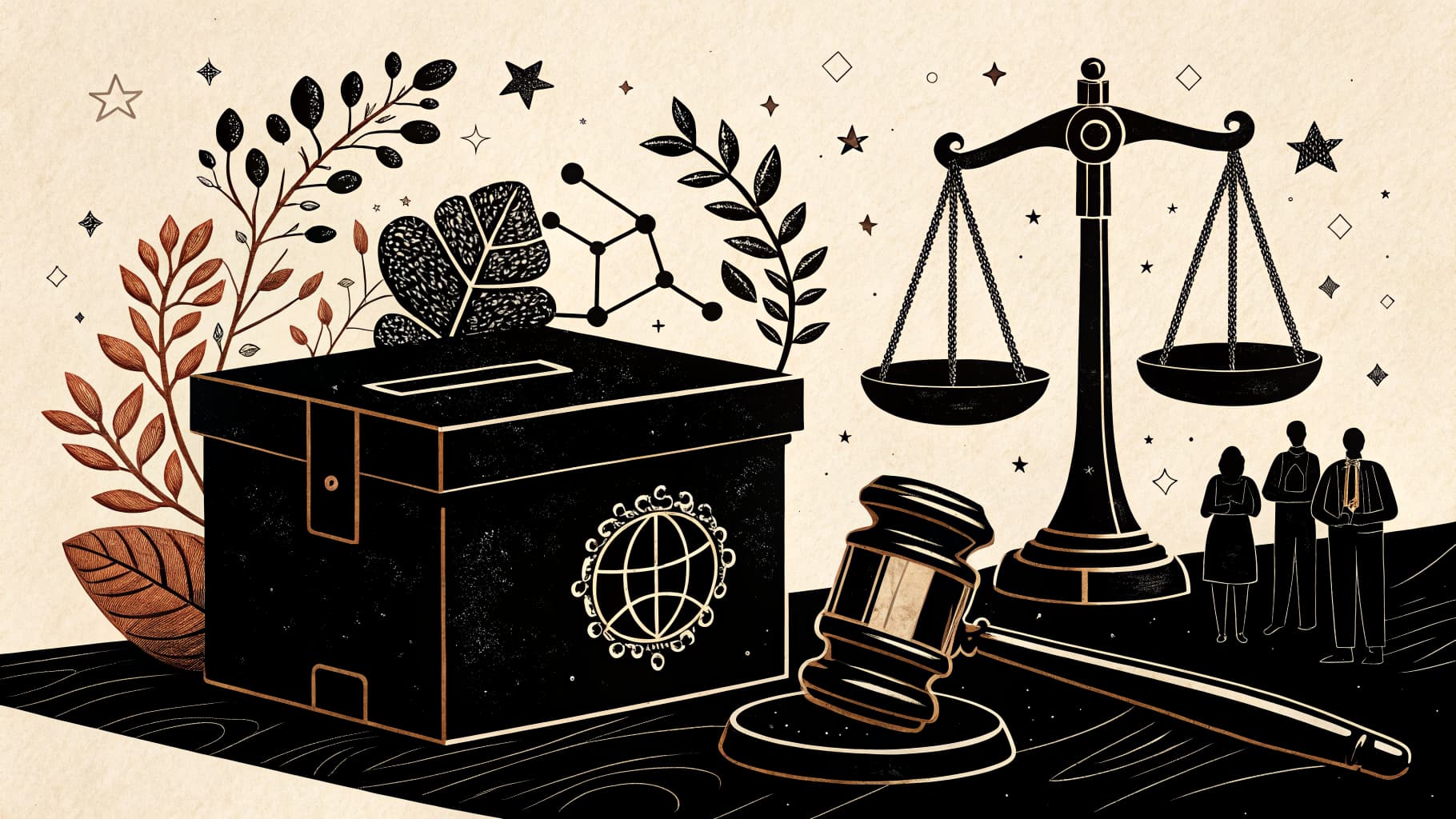
Consumer Rights and Responsibilities
Understanding the legal rights of consumers and the ethical choices involved in purchasing goods and services.
TL;DR:Active learning helps students internalize consumer rights by practicing real-life situations they may face, rather than just reading about laws. Role-plays and debates build confidence in applying legal knowledge, while group work exposes students to diverse perspectives on ethical and financial decisions.
About This Topic
Consumer rights and responsibilities teach Year 9 students to handle purchases with confidence and integrity, aligning with KS3 Citizenship standards on managing money. Key UK laws, including the Consumer Rights Act 2015, guarantee goods as satisfactory quality, fit for purpose, and matching descriptions. Services must meet reasonable standards of care. Students also examine responsibilities such as reading terms, budgeting wisely, and complaining constructively when issues arise.
In the Global Economy and Ethics unit, this topic addresses ethical dimensions like choosing fair trade products or avoiding exploitative brands. Students analyze how consumer choices impact global supply chains and evaluate protections in digital marketplaces, where issues like counterfeit goods and misleading ads challenge traditional rights. These elements build skills in critical evaluation and moral reasoning.
Active learning excels for this topic because role-plays and case studies simulate real disputes, helping students internalize abstract laws through practice. Collaborative debates on ethics encourage nuanced perspectives, while group investigations of online scenarios reveal digital vulnerabilities, making concepts relevant and memorable for everyday use.
Key Questions
- Explain the key legal rights that protect consumers in the UK.
- Analyze the ethical responsibilities of consumers in making purchasing decisions.
- Evaluate the effectiveness of consumer protection laws in the digital marketplace.
Learning Objectives
- Explain the core protections offered by the Consumer Rights Act 2015 regarding goods and services.
- Analyze the ethical implications of consumer choices on global supply chains and labor practices.
- Evaluate the effectiveness of current consumer protection laws in addressing challenges within the digital marketplace.
- Compare the rights and responsibilities of consumers in online versus in-person purchasing scenarios.
- Identify common types of misleading advertising or unfair terms and explain how to challenge them.
Before You Start
Why: Students need a basic understanding of what laws are and how they protect individuals before exploring specific consumer legislation.
Why: Understanding how markets function provides context for the role of consumers and businesses within the economy.
Key Vocabulary
| Consumer Rights Act 2015 | A UK law that establishes key rights for consumers, ensuring goods are of satisfactory quality, fit for purpose, and as described, and services are performed with reasonable care and skill. |
| Fit for purpose | A consumer right meaning that goods must be suitable for the specific reason the consumer bought them for, provided that reason was made known to the seller. |
| Satisfactory quality | A consumer right meaning that goods must meet the standard that a reasonable person would consider satisfactory, taking into account description, price, and other relevant circumstances. |
| Ethical consumerism | The practice of making purchasing decisions based on a consumer's ethical values, considering factors like environmental impact, labor conditions, and animal welfare. |
| Digital marketplace | The online environment where consumers can purchase goods and services, often involving e-commerce websites, apps, and social media platforms. |
Watch Out for These Misconceptions
Common MisconceptionShops can refuse refunds at their discretion for any reason.
What to Teach Instead
The Consumer Rights Act mandates remedies like repair, replacement, or refund within 30 days for faulty goods. Role-plays help students practice asserting these rights confidently, correcting the belief through direct simulation of retailer responses and legal outcomes.
Common MisconceptionOnline shopping has no consumer protections compared to in-store buys.
What to Teach Instead
The same laws apply digitally, with added Distance Selling Regulations for returns. Group case studies of e-commerce disputes reveal this parity, as students uncover platform-specific tools like chargebacks, building accurate expectations.
Common MisconceptionEthical choices matter less than legal rights if a product is cheap.
What to Teach Instead
Ethics influence long-term impacts like worker exploitation. Debates prompt students to weigh both, using active discussion to shift focus from price alone to responsible consumerism.
Active Learning Ideas
See all activities→Case Study Analysis
Role-Play: Retail Dispute Scenarios
Pair students as consumers and sellers facing issues like faulty electronics or poor service. Provide scenario cards with legal details; students negotiate resolutions citing the Consumer Rights Act. Debrief as a class on effective strategies and common pitfalls.
Case Study Analysis
Group Analysis: Digital Marketplace Cases
Divide into small groups to examine real UK cases of online scams or fake reviews. Groups identify violated rights, suggest remedies, and present findings. Use news clippings or Ofcom reports for authenticity.
Case Study Analysis
Debate Circle: Ethical Purchasing Dilemmas
Pose dilemmas like cheap fast fashion versus sustainable alternatives. Students prepare arguments in pairs, then join a whole-class circle debate with structured turns. Vote and reflect on influences behind choices.
Real-World Connections
- Trading Standards officers, employed by local councils across the UK, investigate complaints about faulty goods or misleading services, ensuring businesses comply with consumer protection laws.
- Citizens Advice Bureaux provide free, confidential advice to consumers facing issues with faulty products, unfair contracts, or problems with service providers, helping them understand their rights and how to complain effectively.
- Companies like Which? conduct independent product testing and research, publishing reviews and consumer guides that help shoppers make informed decisions and advocate for stronger consumer protections.
Assessment Ideas
Provide students with a scenario: 'You bought a new phone online, but it arrived with a cracked screen.' Ask them to write two sentences explaining which consumer right applies and one action they could take to resolve the issue.
Pose the question: 'Is it always the consumer's responsibility to check product labels for ethical sourcing, or should companies be solely responsible for transparency?' Facilitate a class debate, encouraging students to cite examples of ethical consumer choices and corporate responsibility.
Present students with three short descriptions of online advertisements. Ask them to identify which ad is most likely to be misleading or violate consumer rights, and to briefly explain why, referencing concepts like 'fit for purpose' or 'satisfactory quality'.
Frequently Asked Questions
What are the main UK consumer rights under the Consumer Rights Act 2015?
How can teachers address ethical responsibilities in consumer decisions?
How can active learning help students grasp consumer rights and responsibilities?
Are consumer protections effective in the digital marketplace?
More in The Global Economy and Ethics
Taxation and Public Spending
Evaluating how the government collects revenue and the ethics of wealth redistribution.
8 methodologies
Fair Trade and Global Labor
Exploring the impact of globalization on workers' rights in developing nations.
8 methodologies
Environmental Citizenship
Considering the responsibility of citizens and states in addressing the climate crisis.
8 methodologies
Ethical Investing and CSR
Exploring how individuals and companies can make ethical financial decisions and contribute to social good.
8 methodologies
Globalisation and its Impacts
An overview of the economic, social, and cultural effects of increasing global interconnectedness.
8 methodologies