United States · Common Core State Standards
7th Grade World Geography & Cultures
A global survey of physical geography, human cultures, and the forces shaping our world. US 7th Grade Social Studies covering geographic thinking, regional studies of Europe, Africa, Asia, and the Americas.
01Geographic Thinking & Global Patterns
The foundational tools geographers use to analyze the world, including spatial technology and the study of human populations.
Students will explore the fundamental questions geographers ask and the interdisciplinary nature of the field, distinguishing between physical and human geography.
Students will define and apply the themes of absolute/relative location and the physical/human characteristics of place to various regions.
Students will investigate human-environment interaction (adaptation, modification, dependence) and the movement of people, goods, and ideas.
Students will classify different types of regions (formal, functional, perceptual) and understand how they are defined and change over time.
Students will analyze various map projections, understanding their inherent distortions and the implications for representing the world.
Students will explore how modern spatial technologies like GIS and GPS are used to collect, analyze, and visualize geographic data for problem-solving.
Students will examine patterns of global population distribution and density, identifying factors that influence where people live.
Students will interpret population pyramids to understand age-sex structures and analyze the stages of the demographic transition model.
Students will identify and categorize various push and pull factors that drive human migration, both voluntary and involuntary.
Students will distinguish between different types of migration (e.g., internal, international, forced, voluntary) and examine contemporary refugee crises.
Students will explore how language and religion shape cultural identity and geographic patterns, including their origins and diffusion.
Students will investigate how ideas, technologies, and cultural practices spread across the globe through various forms of diffusion and the impact of globalization.
Students will examine how human activities modify the natural environment to create cultural landscapes that reflect a society's values and beliefs.
02Europe: Tradition & Integration
A study of Europe's physical diversity, its history of conflict, and the modern effort toward economic and political unity.
Students will analyze the impact of major physical features like the North European Plain, the Alps, and navigable rivers on settlement and development.
Students will explore the vast plains, mountain ranges, and climate zones of Eastern Europe and the Russian Federation, including the impact of permafrost.
Students will investigate how the availability of natural resources (coal, iron), access to water, and colonial markets fueled industrialization in Europe.
Students will examine the rapid growth of cities, the emergence of new social classes, and the challenges of urban living during the Industrial Revolution.
Students will explore the historical context, founding principles, and key institutions of the European Union, focusing on its goals of peace and economic integration.
Students will examine contemporary challenges facing the EU, including Brexit, economic disparities, and migration, and discuss its future trajectory.
Students will investigate the factors leading to the dissolution of the Soviet Union and the subsequent geopolitical changes in Eastern Europe and Central Asia.
Students will explore Russia's vast geography, its natural resources, and its role in contemporary global affairs, including its relationship with former Soviet states.
Students will examine how European cities balance modern development with the preservation of historical sites and cultural traditions, considering the impact of tourism.
Students will explore the diversity of European languages, their historical origins, and how they reflect patterns of migration, conquest, and national identity.
Students will investigate key environmental issues facing Europe, such as acid rain, water pollution, and climate change, and their transboundary nature.
Students will examine Europe's leadership in renewable energy adoption, sustainable urban planning, and policies aimed at combating climate change.
Students will explore the unique physical and human geography of the Mediterranean region, its historical significance, and contemporary challenges.
03The Americas: Land of Extremes
Exploring the physical and human geography of North, Central, and South America.
Students will identify and analyze the major landforms, climate zones, and natural resources of North America, including the impact of the Great Lakes and Rocky Mountains.
Students will explore the diverse physical landscapes of South America, focusing on the Andes Mountains, the Amazon Basin, and the Pampas.
Students will investigate the ecological importance of the Amazon Rainforest and the complex economic and social pressures leading to deforestation.
Students will examine how human civilizations, from the Inca to modern communities, have adapted to the high altitudes and challenging environment of the Andes.
Students will explore the rapid growth of megacities like Mexico City and São Paulo, analyzing the push/pull factors of rural-to-urban migration and the challenges of informal settlements.
Students will investigate the deep economic ties, trade agreements (USMCA), and cultural similarities/differences between the United States and Canada.
Students will examine the economic reliance on tourism in the Caribbean, alongside the environmental vulnerabilities to hurricanes and rising sea levels.
Students will explore the historical construction, engineering marvel, and ongoing geopolitical significance of the Panama Canal as a global trade chokepoint.
Students will investigate the historical treatment and ongoing struggles for land rights, sovereignty, and cultural preservation of Indigenous peoples in North America.
Students will examine the challenges and advancements in land rights, political representation, and cultural recognition for Indigenous peoples in Central and South America.
Students will explore the physical and human geography of the US-Mexico border, analyzing its impact on migration, trade, and cultural exchange.
Students will investigate the rich cultural blending (mestizaje) in Latin America, focusing on the influences of Indigenous, European, and African traditions.
Students will examine the prevalence of natural disasters (earthquakes, hurricanes, volcanoes) in the Americas and strategies for mitigation and adaptation.
04Sub-Saharan Africa: Diversity & Development
A deep dive into the physical regions, cultural richness, and economic potential of Africa south of the Sahara.
Students will identify major physical features, climate zones, and natural resources of Sub-Saharan Africa, including the Great Rift Valley and major rivers.
Students will investigate the Sahel region, the causes and consequences of desertification, and local and international efforts to combat land degradation.
Students will explore the rich history of pre-colonial African kingdoms (e.g., Ghana, Mali, Songhai, Great Zimbabwe) and their trans-Saharan trade networks.
Students will examine the Berlin Conference, the arbitrary drawing of colonial borders, and the lasting impact of colonialism on modern African nations.
Students will study Nigeria as Africa's most populous nation, exploring its ethnic diversity, oil wealth, and challenges of governance and economic development.
Students will investigate the history of Apartheid, its geographic manifestations (townships), and the ongoing struggle for economic equality and reconciliation in post-Apartheid South Africa.
Students will explore the unique ecosystems of East Africa, the challenges of wildlife conservation, and the emergence of tech hubs like 'Silicon Savannah' in Kenya.
Students will examine the challenges of infectious diseases (e.g., Malaria, Ebola) and the innovative solutions, often leveraging mobile technology, to improve healthcare access in Africa.
Students will investigate the 'resource curse' phenomenon, where abundant natural resources (e.g., diamonds, oil) can lead to conflict and underdevelopment in some African nations.
Students will explore the diversity and significance of African music, dance, and oral traditions as forms of cultural expression and historical preservation.
Students will examine the geographic and socio-economic factors contributing to food insecurity in parts of Africa, including climate change, conflict, and agricultural practices.
Students will explore the historical and contemporary movements of people from Africa, examining the cultural and economic connections of the African diaspora globally.
Students will investigate the growing youth population in Africa and the rise of entrepreneurship and innovation as drivers of economic growth and social change.
05Southwest Asia & North Africa
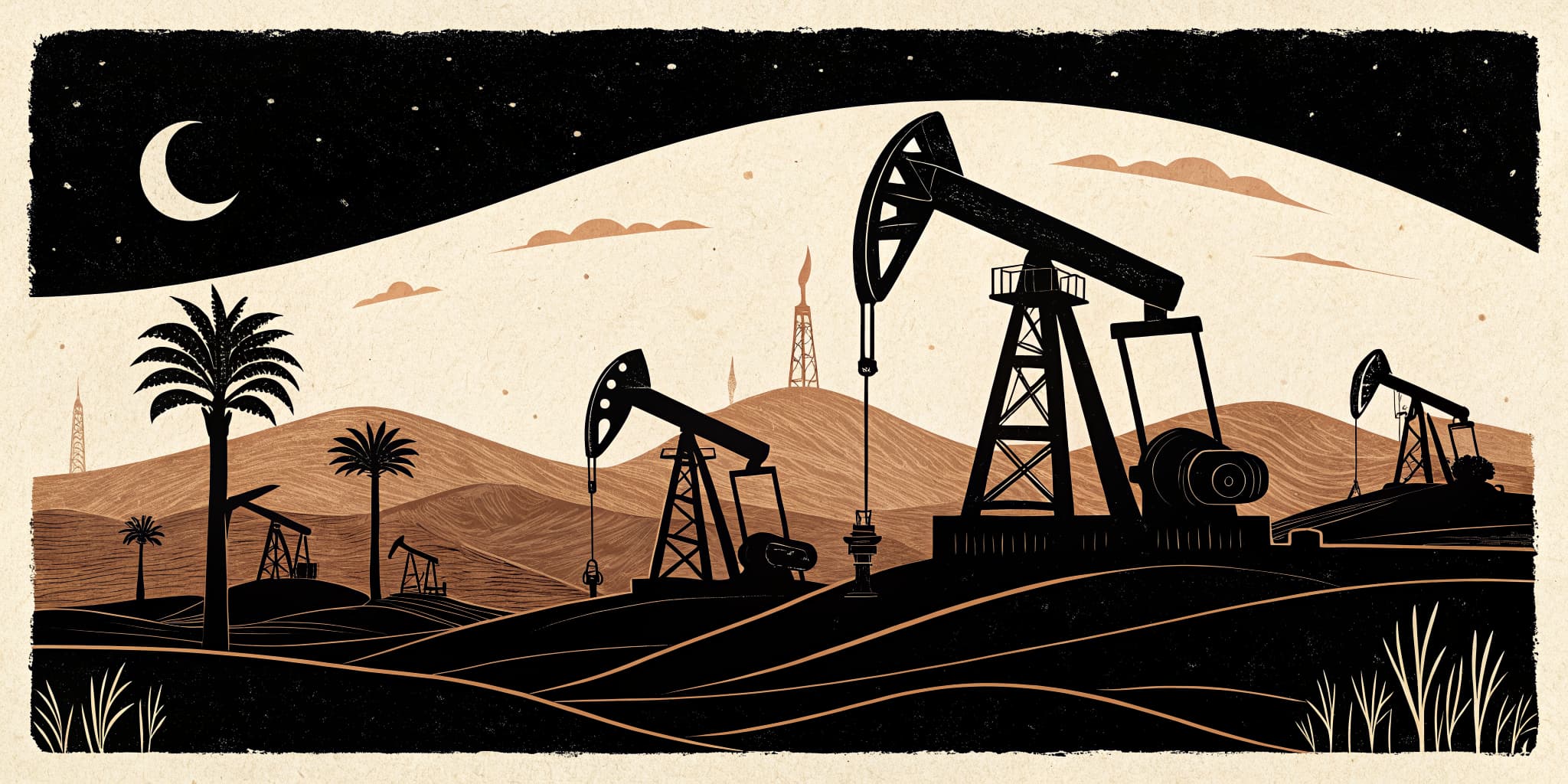
The "Crossroads of the World," focusing on religion, oil, and water scarcity.
Students will identify the major landforms, climate zones, and natural resources of the region, emphasizing its arid environment and strategic waterways.
Students will investigate the severe water scarcity in the region, examining traditional and modern solutions like desalination and water sharing agreements.
Students will explore the geographic origins, core tenets, and global diffusion of Judaism, Christianity, and Islam, emphasizing their shared heritage and sacred sites.
Students will examine how the discovery of petroleum transformed the economies, societies, and global influence of Persian Gulf nations and the role of OPEC.
Students will investigate the causes and geographic spread of the 2011 Arab Spring protests, analyzing the diverse outcomes, from democratic reforms to civil conflicts.
Students will examine the origins and progression of the Syrian Civil War, its regional and global impacts, and the resulting large-scale refugee crisis.
Students will explore the evolving social, economic, and political status of women in Southwest Asia and North Africa, considering the interplay of tradition and modernity.
Students will investigate the rich ethnic and linguistic diversity of Southwest Asia and North Africa, beyond the dominant Arab identity, including Kurds, Persians, and Berbers.
Students will examine the geographic and historical origins of the Israeli-Palestinian conflict, focusing on land, resources, and competing claims.
Students will explore the contributions of ancient civilizations (e.g., Mesopotamia, Egypt) from the region and their lasting impact on global knowledge and culture.
Students will investigate efforts by oil-rich nations in the Persian Gulf to diversify their economies, investing in tourism, technology, and finance.
Students will examine the strategic importance of the Suez Canal, its history, and its role in global trade and geopolitics.
Students will explore the rapid urbanization and modernization of cities in the Persian Gulf, analyzing the social and environmental impacts of this growth.
06Asia: The Global Powerhouse
A study of the world's most populous region, from the Himalayas to the Pacific Rim.
Students will identify the major landforms, climate zones, and natural resources of South Asia, focusing on the Himalayas, Ganges River, and monsoon climate.
Students will investigate the seasonal monsoon winds, their critical role in agriculture, and the challenges of floods and droughts in India and Bangladesh.
Students will examine China's transition from a rural, agrarian society to a global industrial and economic powerhouse, including the role of Special Economic Zones.
Students will investigate the Belt and Road Initiative (BRI), analyzing its geographic scope, economic objectives, and geopolitical implications for global trade and influence.
Students will compare the contrasting geographies, economies, and political systems of North and South Korea, focusing on the impact of the DMZ.
Students will examine how Japan manages its high population density, limited resources, and vulnerability to natural disasters (Ring of Fire) through technology and urban planning.
Students will explore the diverse cultures and geographies of Southeast Asia, emphasizing the strategic importance of the Strait of Malacca and the challenges of archipelagic nations.
Students will investigate the historical caste system in India, its social and geographic impacts, and its interaction with India's modern democratic and tech-driven economy.
Students will examine India's rapid growth in the technology sector, the rise of cities like Bangalore, and the challenges and opportunities of rapid urbanization.
Students will explore the Mekong River as a vital lifeline for Southeast Asia, examining its ecological importance, economic uses, and geopolitical tensions over water resources.
Students will investigate the diversity of cultural festivals and traditions across Asia, understanding their origins, significance, and geographic distribution.
07Oceania & The Polar Regions
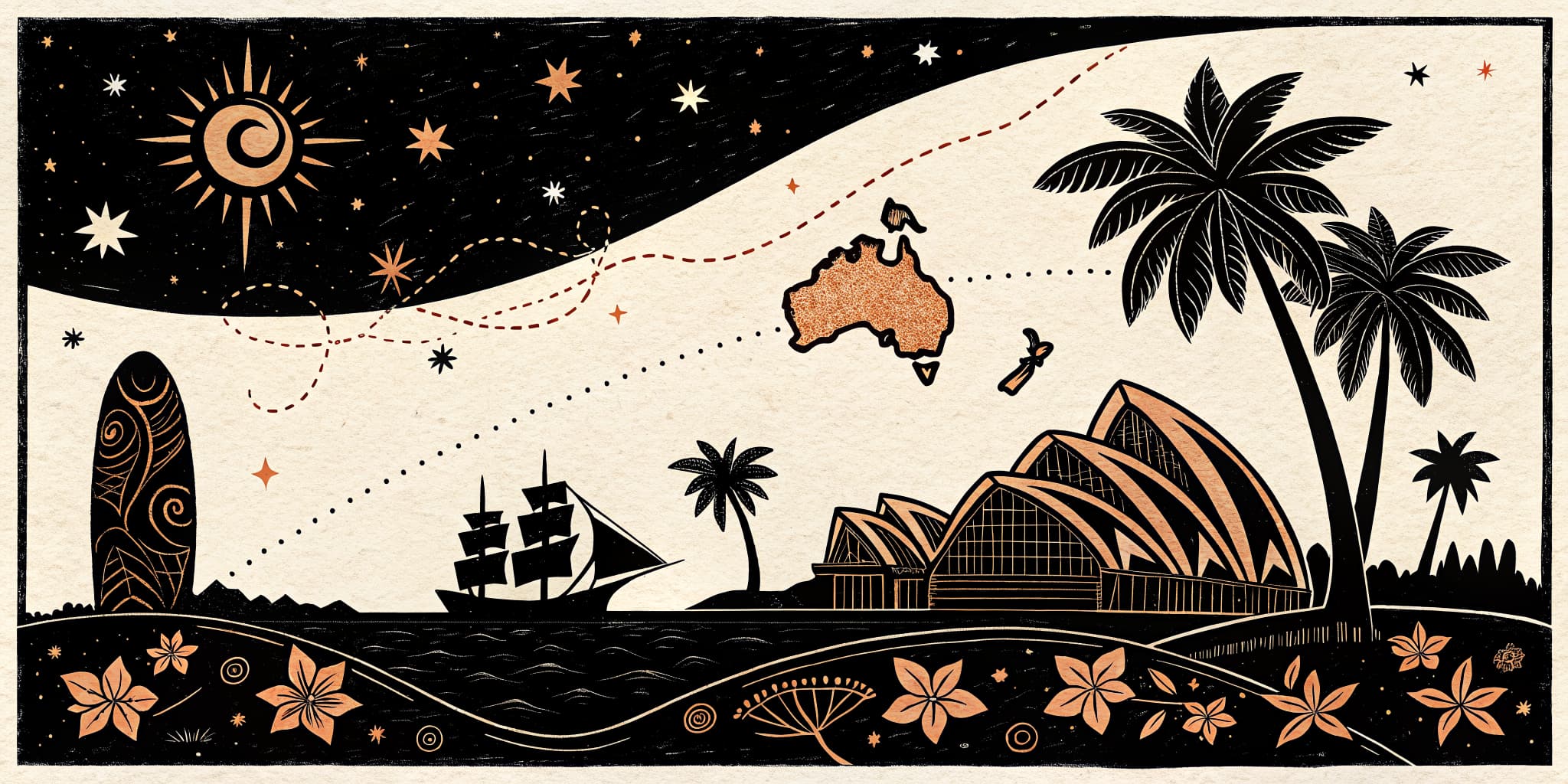
The unique challenges of the Pacific islands, Australia, and the world's final frontiers.
Students will explore Australia's distinct flora and fauna due to its isolation, the challenges of living in the Outback, and the impact of invasive species.
Students will investigate the ecological significance of the Great Barrier Reef, the threats it faces from climate change and pollution, and conservation efforts.
Students will differentiate between Melanesia, Micronesia, and Polynesia, exploring their diverse cultures, traditional navigation (wayfinding), and unique island geographies.
Students will examine the existential threat of rising sea levels and extreme weather events to low-lying Pacific island nations, leading to potential 'climate refugees'.
Students will explore Antarctica as a continent dedicated to scientific research, the principles of the Antarctic Treaty, and its critical role in global climate studies.
Students will investigate the Arctic region, its indigenous populations, valuable resources, and the profound impacts of climate change on its environment and geopolitics.
Students will explore the history and modern rights of Aboriginal and Torres Strait Islander peoples, including the impact of colonization and efforts for reconciliation.
Students will investigate the rich culture of the Māori people of New Zealand, their historical treaties, and their ongoing struggle for cultural preservation and political recognition.
Students will synthesize their understanding of global environmental challenges, including climate change, biodiversity loss, and resource depletion, from a geographic perspective.
Students will explore innovative social and economic solutions for achieving global sustainability, focusing on renewable energy, equitable development, and responsible consumption.
Students will reflect on their role as global citizens, understanding their interconnectedness with people and places worldwide and their responsibility to contribute to a sustainable future.