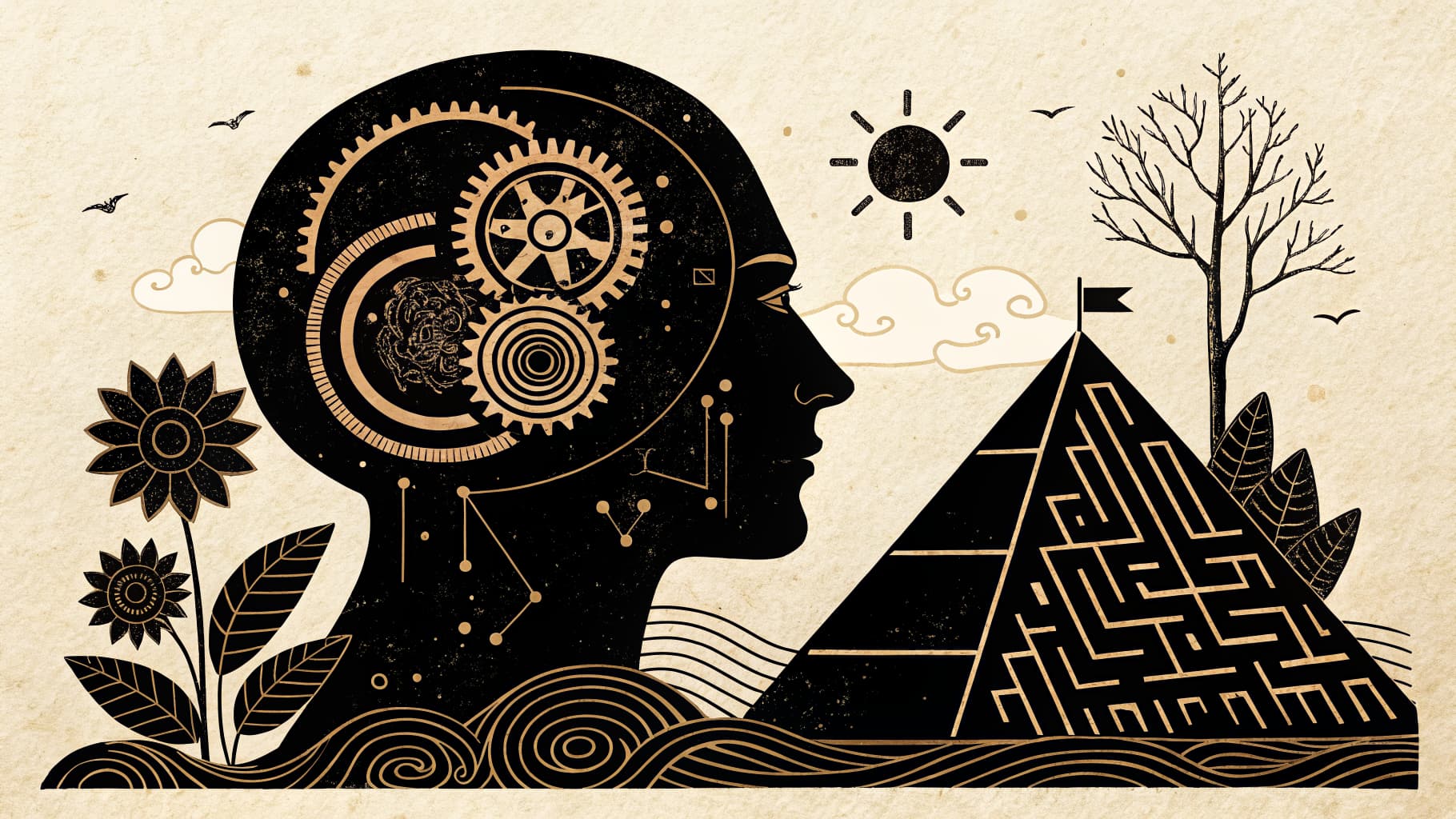
Nature and Process of Psychotherapy
An introduction to the therapeutic relationship, the goals of psychotherapy, and the ethical standards required in clinical practice. Students will learn what makes the client-therapist alliance effective.
TL;DR:Psychotherapy is a professional relationship aimed at resolving psychological problems and promoting personal growth. This topic introduces the 'Therapeutic Alliance', the unique bond of trust and collaboration between a therapist and a client. Students learn about the goals of therapy, such as changing maladaptive behaviours or gaining self-insight, and the strict ethical standards that govern this profession.
About This Topic
Psychotherapy is a professional relationship aimed at resolving psychological problems and promoting personal growth. This topic introduces the 'Therapeutic Alliance', the unique bond of trust and collaboration between a therapist and a client. Students learn about the goals of therapy, such as changing maladaptive behaviours or gaining self-insight, and the strict ethical standards that govern this profession.
In India, the transition from seeking advice from elders to seeking professional therapy is a significant cultural shift. Students learn that therapy is a scientific process, not just 'giving advice'. They explore the importance of confidentiality and empathy in a country where 'what will people say?' is a common concern. This topic comes alive when students can physically model the patterns of a therapeutic conversation through role-plays. Students grasp this concept faster through structured discussion and peer explanation of what makes a 'good listener'.
Key Questions
- What are the primary goals of psychotherapy?
- Why is the therapeutic alliance crucial for successful treatment?
- What ethical principles must a therapist uphold?
Watch Out for These Misconceptions
Common MisconceptionA therapist's job is to tell the client what to do.
What to Teach Instead
Therapy is about helping the client find their own solutions. A 'non-directive' listening exercise helps students see how a therapist guides rather than dictates.
Common MisconceptionOnly 'crazy' people go to therapy.
What to Teach Instead
Therapy is for anyone facing life challenges, stress, or seeking personal growth. Discussing 'preventive mental health' helps students see therapy as a proactive tool.
Active Learning Ideas
See all activities→Role Play
The First Session
In pairs, one student acts as a therapist and the other as a client. The 'therapist' must practice 'Active Listening' and 'Empathy' without giving any advice, following the textbook's definition of the therapeutic relationship.
Think-Pair-Share
Advice vs. Therapy
Students discuss: 'What is the difference between talking to a best friend and talking to a therapist?' They list three key differences based on the 'Nature of Psychotherapy' section in their book.
Inquiry Circle
Ethical Dilemmas
Groups are given a scenario (e.g., a client tells a therapist about a crime). They must use the ethical guidelines of confidentiality and 'duty to warn' to decide what the therapist should do.
Frequently Asked Questions
What is the therapeutic alliance?
What are the main goals of psychotherapy?
How can active learning help students understand the process of therapy?
What is 'Confidentiality' in therapy?
More in Therapeutic Approaches
Psychodynamic, Behavioural, and Cognitive Therapies
A comparative study of major therapeutic techniques, including psychoanalysis, systematic desensitization, and Rational Emotive Behaviour Therapy (REBT). Students will analyze how each approach targets different aspects of human psychology.
8 methodologies
Humanistic-Existential Therapy and Alternative Therapies
This topic explores client-centered therapy, Gestalt therapy, and the role of alternative therapies like yoga and meditation in mental health. Students will evaluate the focus on self-actualization and holistic healing.
8 methodologies