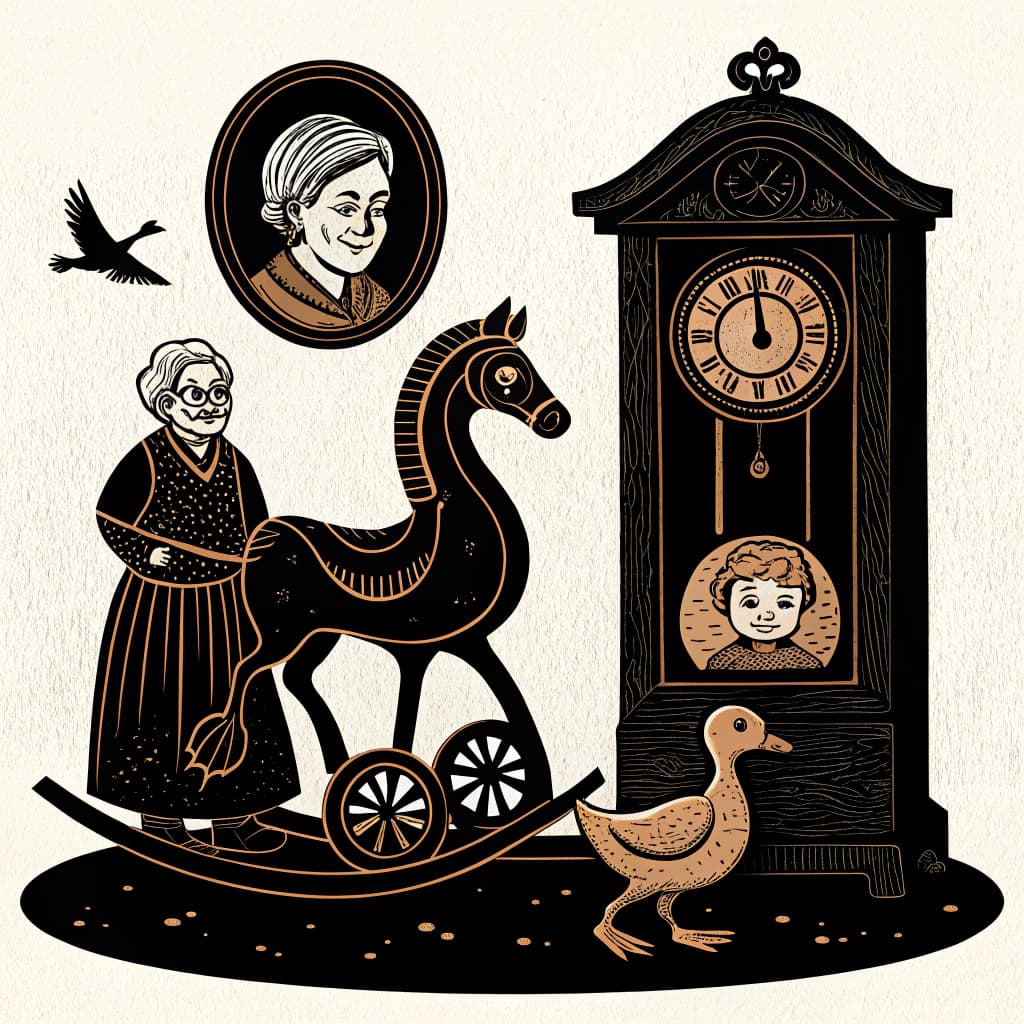
Personal Toy Histories and Comparisons
Discussing individual favourite toys and drawing comparisons with historical examples.
TL;DR:Active learning helps Year 1 children connect emotionally with the topic by talking about their own experiences first. Handling toys, sorting images, and creating drawings makes abstract comparisons concrete and memorable for young learners.
About This Topic
This topic invites Year 1 children to share their favourite toys and reasons for loving them, then compare these with toys from the past. It aligns with KS1 History requirements to explore changes within living memory through toys and play. Children discuss key questions like whether Victorian children would enjoy modern toys, and how to discover past playthings using photos, stories, or museum visits. Simple comparisons highlight shifts in materials from wood and cloth to plastic, and play styles from skill-building to battery-powered fun.
The unit fosters historical skills such as questioning, observing evidence, and sequencing events in a child's lifetime or grandparents' era. It connects to personal, social, and emotional development as children value their own experiences alongside others. Teachers can source artefacts like rag dolls or spinning tops to make the past tangible.
Active learning thrives in this topic because children actively share, handle replicas, and collaborate on timelines. These methods turn abstract change into personal stories, boosting engagement, memory retention, and confidence in historical thinking. Hands-on comparisons ensure every child contributes, making lessons inclusive and memorable.
Key Questions
- What is your favourite toy and why do you love it?
- Do you think a child from a long time ago would enjoy playing with your toys? Why?
- How could you find out about the toys children played with in the past?
Learning Objectives
- Compare their own favourite toys with historical toy examples.
- Explain how toys have changed over time, referencing materials and play styles.
- Identify methods for researching historical toys, such as looking at photographs or visiting museums.
- Classify toys based on the era they might belong to, using visual evidence.
Before You Start
Why: Students have experience discussing personal and family histories, which helps them relate to the idea of 'a long time ago'.
Why: Students have begun to identify and describe everyday objects, providing a foundation for discussing different types of toys.
Key Vocabulary
| Artefact | An object made by a person, often from the past, such as a toy or tool. |
| Living memory | Events or experiences that people alive today can remember or have been told about by older relatives. |
| Material | The substance from which something is made, like wood, cloth, or plastic. |
| Compare | To look at two or more things to see how they are similar or different. |
Watch Out for These Misconceptions
Common MisconceptionToys from the past were exactly like today's toys.
What to Teach Instead
Show side-by-side images of wooden pull-along toys versus plastic remote-control cars. Active group sorting helps children spot material and function differences through touch and talk, correcting the idea that nothing has changed.
Common MisconceptionChildren long ago did not play with toys.
What to Teach Instead
Use stories and replica artefacts to reveal common toys like hoops or marbles. Hands-on play with replicas lets children experience past fun, challenging the view through direct engagement and peer discussion.
Common MisconceptionOld toys were boring and simple.
What to Teach Instead
Demonstrate skills needed for cup-and-ball games. Pair activities where children try replicas build empathy, as they discover challenge and joy, shifting views via trial and shared success stories.
Active Learning Ideas
See all activities→Morning Circle
Circle Time Share: Favourite Toys
Children sit in a circle and pass a toy basket. Each child holds a favourite toy, shares why they love it, and passes it on. Record key words on a class chart for later comparison. End with a group vote on most surprising reason.
Morning Circle
Pairs Draw and Compare: Then and Now
In pairs, children draw their toy next to a historical toy image provided. They label differences like colour or material. Pairs share one comparison with the class.
Morning Circle
Small Groups Sort: Toy Timeline
Provide toy pictures from now, grandparents' time, and great-grandparents' time. Groups sort them into a timeline strip, discuss changes, and present to class.
Real-World Connections
- Museum curators, like those at the V&A Museum of Childhood, collect, preserve, and display toys from different historical periods so that people can learn about the past.
- Toy designers today draw inspiration from historical toys, sometimes creating modern versions of classic playthings or incorporating traditional materials into new designs.
Assessment Ideas
Give each child a picture of a historical toy (e.g., a wooden spinning top) and a picture of a modern toy (e.g., a remote-control car). Ask them to draw one way the toys are different and one way they might be the same.
Ask students: 'Imagine you met a child from 100 years ago. What would you show them about your favourite toy? What would you ask them about their favourite toy?' Record their ideas on a chart.
Show students a collection of toy images, some historical and some modern. Ask them to point to or name toys that a child from 'a long time ago' might have played with, and explain their reasoning.
Frequently Asked Questions
How do you introduce historical toys to Year 1?
What active learning strategies work best for toy history comparisons?
How to address common misconceptions about past toys?
How does this topic link to other curriculum areas?
Planning templates for History
5E Model
The 5E Model structures lessons through five phases (Engage, Explore, Explain, Elaborate, and Evaluate), guiding students from curiosity to deep understanding through inquiry-based learning.
Unit PlannerThematic Unit
Organize a multi-week unit around a central theme or essential question that cuts across topics, texts, and disciplines, helping students see connections and build deeper understanding.
RubricSingle-Point Rubric
Build a single-point rubric that defines only the "meets standard" level, leaving space for teachers to document what exceeded and what fell short. Simple to create, easy for students to understand.
More in Toys and Play Through Time
Grandparents' Toys: Materials and Design
Analyzing old toys made from wood, metal, and cloth, and differentiating their construction from modern toys.
8 methodologies
Chronology of Toy Development
Sorting toys into historical categories and constructing a simple timeline to represent their evolution.
8 methodologies
The Impact of Plastic on Toy Manufacturing
Investigating how the introduction of plastic transformed toy production and aesthetic.
8 methodologies
Technological Advancements in Toys
Exploring how batteries and electricity have integrated into modern toy design and function.
8 methodologies
The Role of Games in Different Eras
Investigating traditional games played indoors and outdoors, comparing them to modern digital games.
8 methodologies
Toy Storytelling: Imagining the Past
Using historical toys as prompts to create short stories or role-play scenarios about children's lives in the past.
8 methodologies