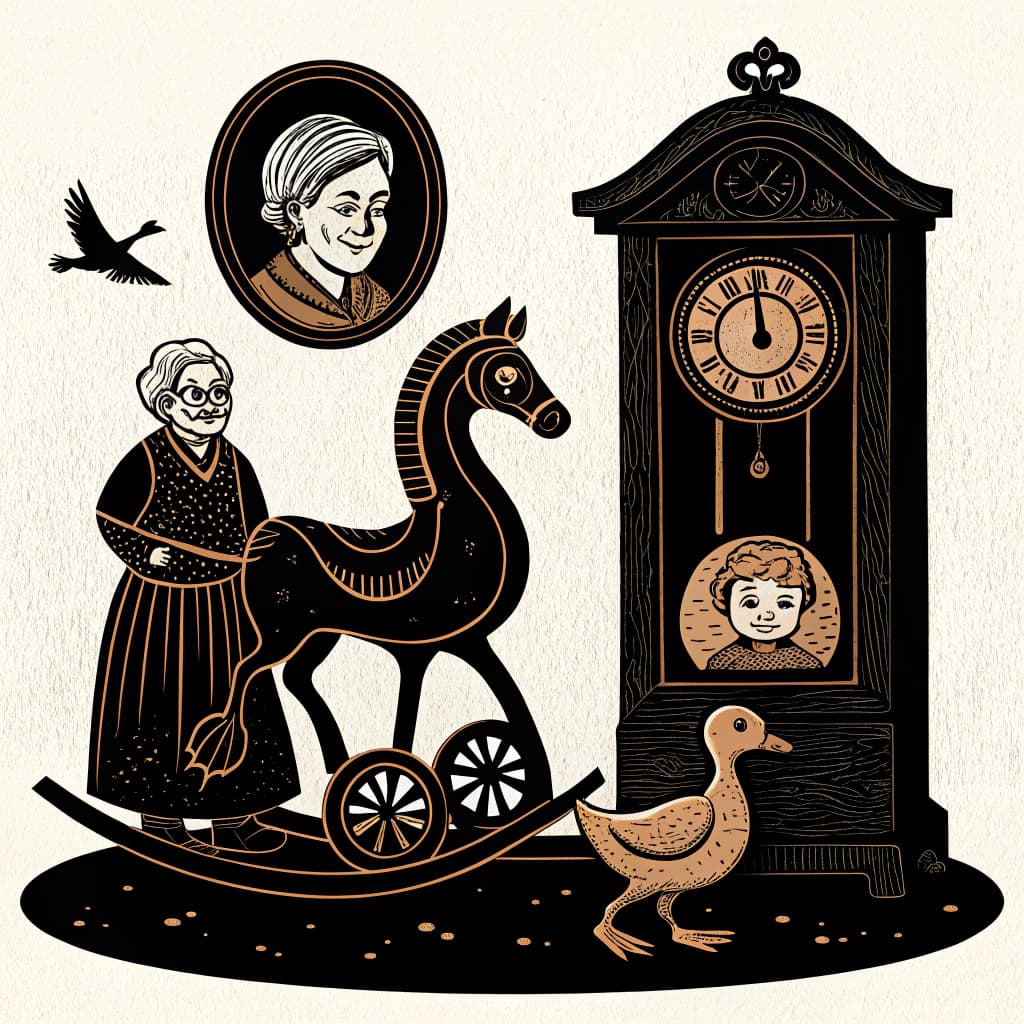
Grandparents' Toys: Materials and Design
Analyzing old toys made from wood, metal, and cloth, and differentiating their construction from modern toys.
TL;DR:Active learning works for this topic because firsthand exploration of materials helps young learners move beyond abstract ideas to concrete understanding. Handling replicas of old toys lets children notice details that photos cannot capture, building a foundation for historical thinking.
About This Topic
This topic introduces Year 1 students to the concept of change over time through the familiar lens of play. By examining toys from their grandparents' era, children begin to identify differences in materials, such as the transition from wood, tin, and rag to modern plastics and electronics. This aligns with the National Curriculum requirement to study changes within living memory, helping pupils develop a sense of chronology and an awareness of the past.
Understanding these shifts allows students to appreciate how technology and manufacturing have evolved. It also provides a bridge to discussing their own family histories and the experiences of older generations. This topic comes alive when students can physically handle and compare objects, using their senses to spot the weight, texture, and sounds of historical materials.
Key Questions
- What do you notice about the toys your grandparents used to play with?
- How are old toys the same as or different from the toys you have?
- Which old toy would you most like to play with, and why?
Learning Objectives
- Compare materials used in grandparents' toys (wood, metal, cloth) with materials in modern toys.
- Identify design differences between historical and contemporary toys.
- Explain why toy materials and designs have changed over time, referencing changes within living memory.
- Classify toys based on their primary material (wood, metal, cloth, plastic).
Before You Start
Why: Students need a basic understanding of common materials like wood, metal, and cloth to compare them.
Why: Students should be familiar with identifying and describing everyday objects before analyzing specific types like toys.
Key Vocabulary
| Material | The substance from which something is made, such as wood, metal, or cloth. |
| Design | The plan or drawing produced to show the look and function or workings of a toy before it is made. |
| Durable | Able to withstand wear, pressure, or damage; strong and long-lasting. |
| Technology | The application of scientific knowledge for practical purposes, especially in industry, leading to new tools and machines. |
Watch Out for These Misconceptions
Common MisconceptionOld toys were 'boring' because they didn't have lights or sounds.
What to Teach Instead
Explain that these toys required more imagination and physical movement. Using a simulation of an old playground game helps students see the high level of engagement these toys provided.
Common MisconceptionAll old toys are black and white like in old photos.
What to Teach Instead
Show physical examples of brightly painted Victorian tin toys or colourful patchwork dolls. Hands-on exploration of replicas helps correct the 'colourless past' myth.
Active Learning Ideas
See all activities→Stations Rotation
Material Detectives
Set up four stations with different toys: wooden blocks, a tin wind-up toy, a rag doll, and a modern plastic action figure. Students rotate in small groups to touch the toys and record if they feel cold, hard, soft, or heavy.
Think-Pair-Share
The Mystery Object
Show the class an image of a Victorian spinning top or a cup-and-ball game. Students think about how it might work, discuss with a partner, and then share their ideas with the class before a live demonstration.
Role Play
Grandparents' Playtime
Students act out a scene where they have no batteries or screens and must entertain themselves with a hoop and stick or marbles. This helps them experience the physical nature of older games.
Real-World Connections
- Museum curators at the V&A Museum of Childhood in London use their knowledge of materials and design to preserve and display toys from different historical periods, explaining their significance to visitors.
- Toy designers at companies like Hornby or Lego consider historical toy making techniques and materials when developing new products, sometimes drawing inspiration from vintage designs.
Assessment Ideas
Provide students with two toy pictures, one old and one new. Ask them to draw one line connecting a feature of the old toy to a similar feature on the new toy, and one line connecting a different feature to a contrasting feature. They should label one pair 'Same' and one pair 'Different'.
Hold up a wooden block and a plastic building brick. Ask: 'How are these two objects the same? How are they different?' Then ask: 'Which one feels heavier? Which one do you think would break more easily? Why?'
Show students images of various toys (e.g., a wooden train, a rag doll, a metal car, a plastic action figure). Ask students to hold up one finger if the toy is mostly made of wood, two fingers for metal, three for cloth, and four for plastic.
Frequently Asked Questions
What are the best toys to show Year 1 for this topic?
How can I involve parents and grandparents?
How does active learning help students understand old toys?
Is it safe to let Year 1 handle antique toys?
Planning templates for History
5E Model
The 5E Model structures lessons through five phases (Engage, Explore, Explain, Elaborate, and Evaluate), guiding students from curiosity to deep understanding through inquiry-based learning.
Unit PlannerThematic Unit
Organize a multi-week unit around a central theme or essential question that cuts across topics, texts, and disciplines, helping students see connections and build deeper understanding.
RubricSingle-Point Rubric
Build a single-point rubric that defines only the "meets standard" level, leaving space for teachers to document what exceeded and what fell short. Simple to create, easy for students to understand.
More in Toys and Play Through Time
Chronology of Toy Development
Sorting toys into historical categories and constructing a simple timeline to represent their evolution.
8 methodologies
The Impact of Plastic on Toy Manufacturing
Investigating how the introduction of plastic transformed toy production and aesthetic.
8 methodologies
Technological Advancements in Toys
Exploring how batteries and electricity have integrated into modern toy design and function.
8 methodologies
Personal Toy Histories and Comparisons
Discussing individual favourite toys and drawing comparisons with historical examples.
8 methodologies
The Role of Games in Different Eras
Investigating traditional games played indoors and outdoors, comparing them to modern digital games.
8 methodologies
Toy Storytelling: Imagining the Past
Using historical toys as prompts to create short stories or role-play scenarios about children's lives in the past.
8 methodologies