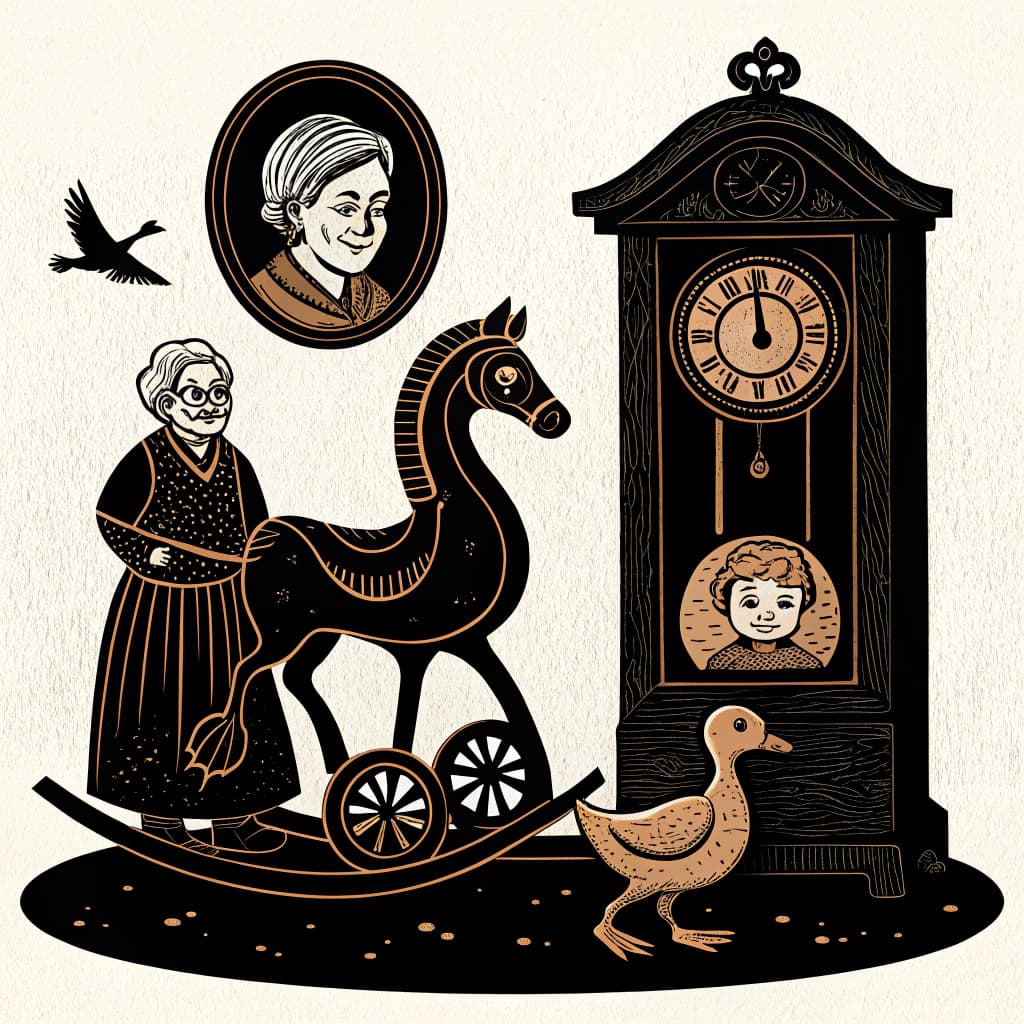
Oral Histories of Our Community
Collecting stories and memories from older family members or community residents about life in the local area long ago.
TL;DR:Active learning works for this topic because oral histories rely on real voices and personal connections. Children build empathy and historical thinking by speaking directly with community members, not just reading about the past.
About This Topic
Oral Histories of Our Community guides Year 1 pupils to gather stories from older family members or local residents about life in the area long ago. This topic fits KS1 History standards on changes within living memory and local history. Children prepare simple questions, conduct short interviews, and note details like past shops, games, or street changes. They compare these accounts to their own lives, spotting differences in transport, homes, or play, which addresses key questions about community pasts and personal learning from stories.
The approach builds listening skills, empathy, and basic chronology as pupils sequence events from narratives. It links family histories to local changes, such as vanished buildings or new playgrounds, fostering a sense of place. Collaborative sharing helps children validate stories across the class, creating a collective community timeline.
Active learning benefits this topic greatly. Role-playing interviews or dramatising stories makes history vivid and personal. Hands-on recording with drawings or voice notes ensures all pupils participate actively, turning passive listening into memorable, skill-building experiences that deepen understanding of change over time.
Key Questions
- What can we find out about the past by talking to older people in our community?
- What do you notice about what life was like when older people describe their childhood?
- Can you tell me one thing you learned from hearing someone else's story about the past?
Learning Objectives
- Compare personal experiences of daily life with accounts of life in the local area from the past.
- Identify specific changes in the local area by analyzing oral histories.
- Explain one way listening to community stories has informed their understanding of the past.
- Classify different types of information shared in oral histories, such as changes to buildings or common games played.
Before You Start
Why: Students need a basic understanding of personal relationships and family structures to connect with the idea of interviewing family members.
Why: This topic builds on the idea of community members having roles and stories, which is introduced when learning about different jobs and services.
Key Vocabulary
| Oral History | A record of events or experiences gathered through spoken accounts from people, rather than written documents. |
| Community | A group of people living in the same place or having a particular characteristic in common, such as a neighborhood or town. |
| Local Area | The specific neighborhood, town, or district where you live or go to school. |
| Memory | Something that a person can recall from the past, often a specific event or period of time. |
Watch Out for These Misconceptions
Common MisconceptionLife in the past was always worse than now.
What to Teach Instead
Stories reveal joys like community games alongside hardships. Active sharing circles let pupils compare positives and negatives from multiple accounts, building nuanced views. Peer discussions highlight that change brings both gains and losses.
Common MisconceptionAll old stories are exactly true like books.
What to Teach Instead
Memories mix facts with feelings. Role-play activities help children distinguish personal perspectives from events, as they retell stories in their own words. Group validation of similar tales across interviews reinforces reliability patterns.
Common MisconceptionNothing has changed in our local area.
What to Teach Instead
Interviews uncover shifts like new roads or lost shops. Mapping story locations on class drawings shows visual evidence of change. Collaborative timeline work makes these differences concrete and discussable.
Active Learning Ideas
See all activities→Morning Circle
Preparation Station: Question Creation
Pupils work in pairs to brainstorm and draw three questions about childhood memories, such as 'What toys did you play with?' or 'What was our street like?' Model examples on the board. Pairs share one question with the class for a shared question bank.
Morning Circle
Interview Practice: Role-Play Pairs
Pair children as interviewer and storyteller. Provide prompt cards with local past prompts. Switch roles after five minutes, then discuss what made a good interview. Record promising questions for home use.
Morning Circle
Story Circle: Community Sharing
Form a whole-class circle. Each child shares one fact from a family interview using a talking stick. Teacher scribes key themes on a chart. End with pupils drawing their favourite story detail.
Real-World Connections
- Local historical societies and museums often collect oral histories from long-time residents to preserve the stories and heritage of a town or city.
- Journalists and documentary filmmakers conduct interviews to gather personal accounts for news reports or films about historical events or social changes.
- Family historians use interviews with older relatives to piece together their family tree and understand what life was like for previous generations.
Assessment Ideas
Give each student a card with a picture of a common object from the past (e.g., a rotary phone, a black and white television). Ask them to write one sentence comparing how that object was used 'long ago' based on a story they heard, and one sentence about how it is used today.
Ask students: 'Imagine you met someone who lived in our town 50 years ago. What is one question you would ask them about what our school or street was like back then? Why would you want to know that?' Listen for specific questions related to changes or daily life.
After listening to a short oral history excerpt, ask students to draw one thing they learned about life 'long ago.' Circulate and ask individual students to verbally explain their drawing, focusing on whether they can identify a specific change or detail from the story.
Frequently Asked Questions
How do you prepare Year 1 pupils for oral history interviews?
What history skills does collecting oral histories develop?
How can oral histories link to local area studies?
How does active learning enhance oral history lessons?
Planning templates for History
5E Model
The 5E Model structures lessons through five phases (Engage, Explore, Explain, Elaborate, and Evaluate), guiding students from curiosity to deep understanding through inquiry-based learning.
Unit PlannerThematic Unit
Organize a multi-week unit around a central theme or essential question that cuts across topics, texts, and disciplines, helping students see connections and build deeper understanding.
RubricSingle-Point Rubric
Build a single-point rubric that defines only the "meets standard" level, leaving space for teachers to document what exceeded and what fell short. Simple to create, easy for students to understand.
More in Our School and Local Area
The History of Our School Building
Examining old photographs and interviewing community members to trace the architectural and functional changes of the school.
8 methodologies
School Life in the Past: Objects and Routines
Handling historical school objects like slates and inkwells and discussing past classroom routines.
8 methodologies
Local Shops: From Grocers to Supermarkets
Exploring the transformation of local high streets and shopping habits over time.
8 methodologies
Constructing a Local History Timeline
Sequencing significant local events and school milestones on a collaborative class timeline.
8 methodologies
Local Landmarks: Then and Now
Investigating how significant buildings or natural features in the local area have changed or remained the same.
8 methodologies
Community Helpers: Past and Present
Learning about the roles of different community helpers (e.g., police, doctors, firefighters) in the past and how their jobs have evolved.
8 methodologies