United States · Common Core State Standards
1st Grade Families & Neighborhoods
First Grade Social Studies exploring family life, neighborhood geography, civic responsibility, and basic economics. Children expand their world from home to the wider community.
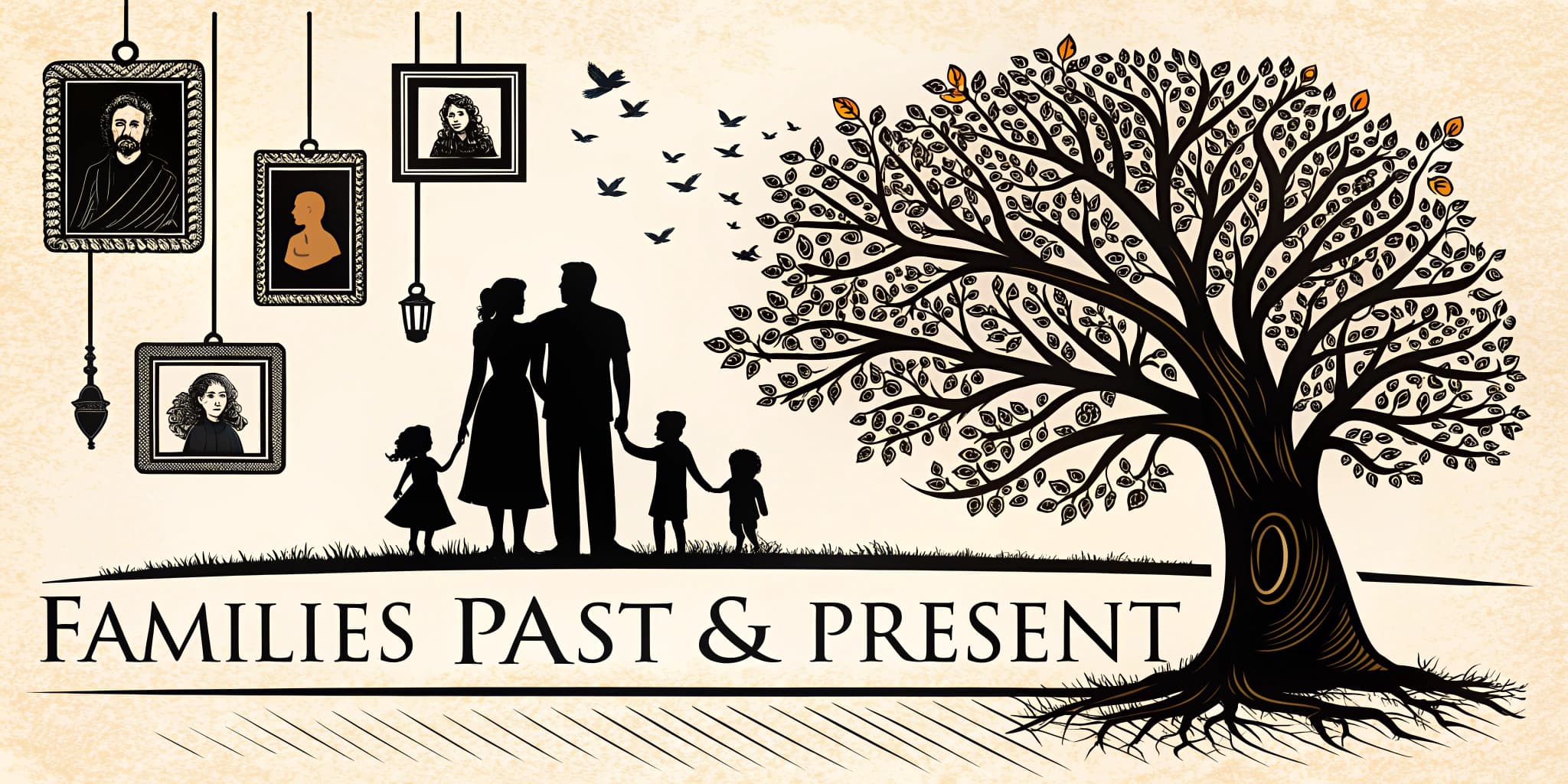
01Families Past & Present
How have families changed over time? Children learn about different family structures, celebrate family traditions, and discover how families have changed across generations.
Children learn that families come in many forms and that every family has its own special way of living and caring for one another.
Children share traditions from their own families and explore how celebrations, meals, and stories are passed down through generations.
Children compare family life long ago with family life today, discovering how things like technology and daily routines have changed.
Students create simple visual timelines to show important events in their own lives and their families' history.
Students explore what makes them unique, including their interests, talents, and cultural background, and how these contribute to their identity.
Children learn to identify and express a range of emotions, understanding that feelings are a normal part of life and how to respond to them constructively.
Students practice understanding and sharing the feelings of others, fostering respect for diverse perspectives and experiences within the classroom and community.
Children learn about safe practices at home, school, and in the community, identifying trusted adults and understanding how to seek help.
Students explore and celebrate the diverse cultures represented in their classroom and community, recognizing the value of different traditions, languages, and customs.
Children learn to consider the consequences of their actions and make choices that are fair, kind, and helpful to themselves and others.
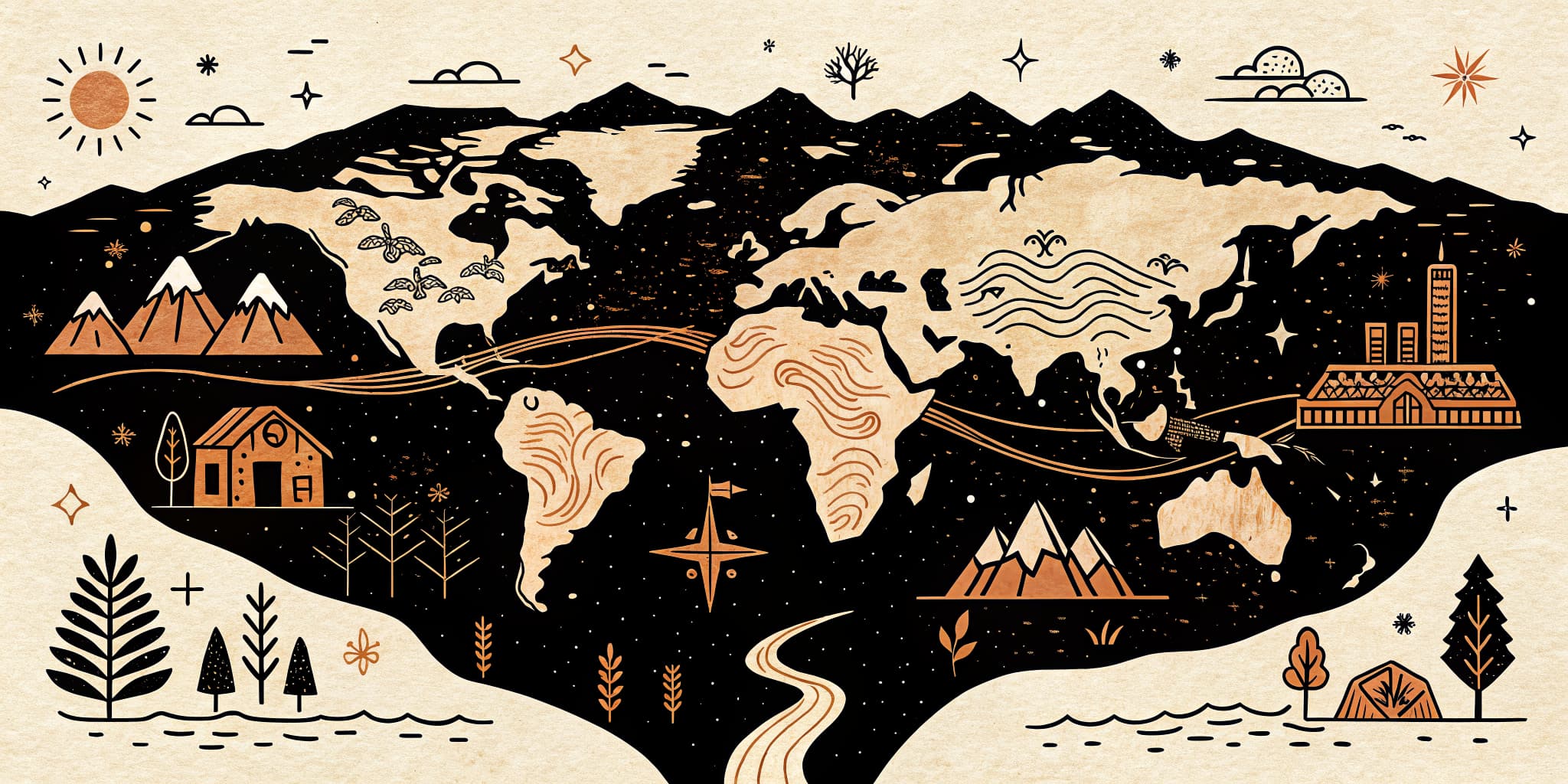
02Our Community Geography
What does our world look like? Children begin to read maps, compare different types of neighborhoods, and learn about the physical world around them.
Children are introduced to maps and globes, learning that these tools help us understand where places are in our neighborhood and the world.
Children draw and describe their own neighborhoods, identifying the important places and people that make their community special.
Children compare life in cities, suburbs, and the countryside, learning that people live in different types of communities.
Students identify physical features like mountains, hills, rivers, and lakes found in the United States and their local area.
Students learn to use a compass rose and map keys to find their way around a simple map of a park or school.
Children learn about different types of weather, seasonal changes, and how weather affects daily life and activities.
Students explore how people adapt to and modify their environment, and how the environment influences human activities and settlement patterns.
Children identify common natural resources and learn about the importance of conserving them for future generations.
Students use globes to identify continents and oceans, gaining a basic understanding of the world's major landmasses and water bodies.
Students work collaboratively to create a map of their classroom, including key features and a legend, applying their understanding of mapping principles.
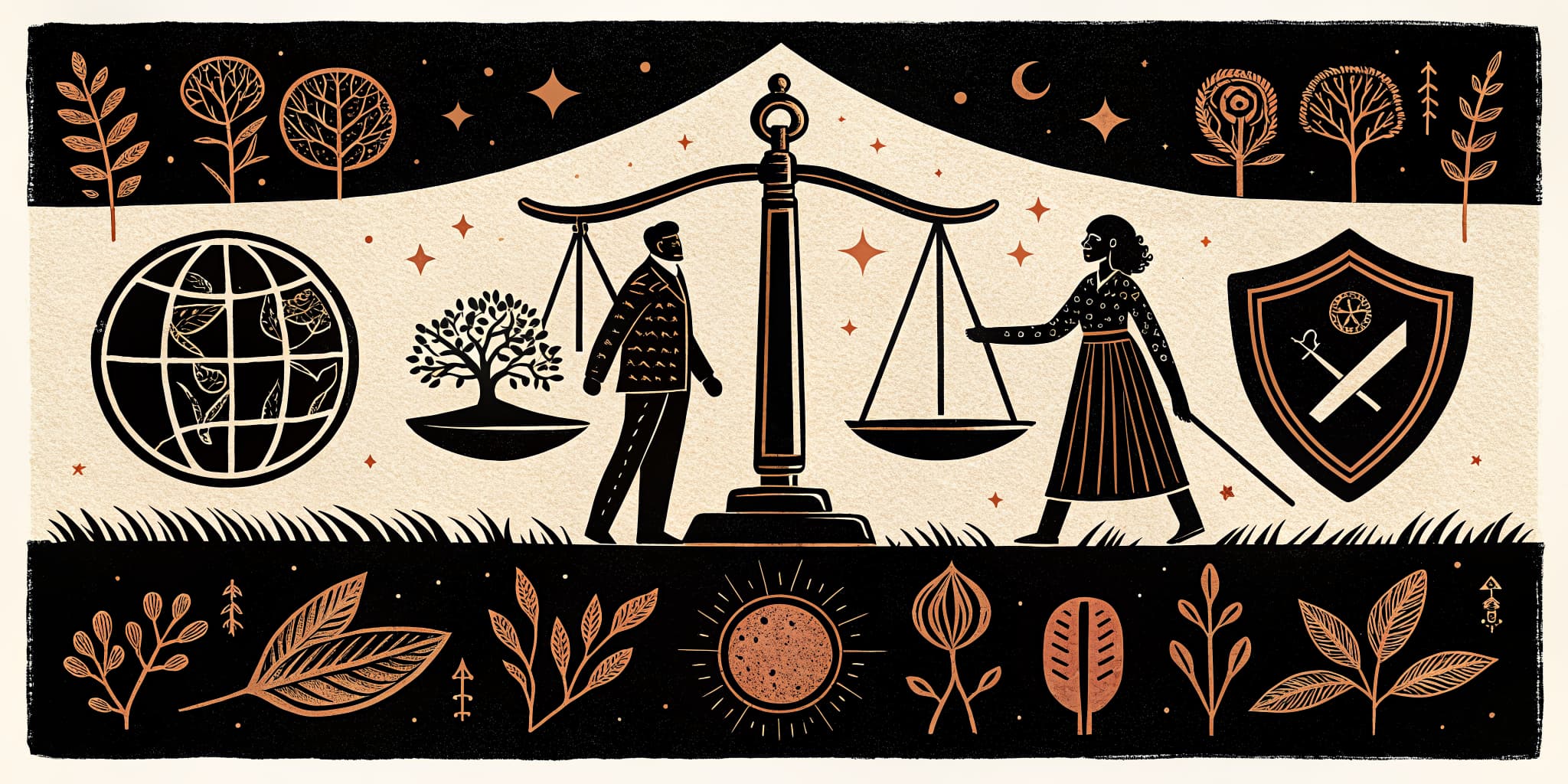
03Being a Good Citizen
What does it mean to be a good citizen? Children explore their rights and responsibilities, practice making group decisions, and learn about American symbols.
Children learn what it means to be a citizen of their classroom, school, and community, and that citizens have both rights and responsibilities.
Children practice voting on classroom choices and learn that voting is one fair way groups make decisions together.
Students identify and learn the meaning behind the U.S. flag, the Liberty Bell, and the Statue of Liberty.
Children discuss why we need rules at home and school, and how laws keep people safe in the community.
Students identify various community helpers (e.g., firefighters, police officers, doctors) and understand how they contribute to the well-being and safety of the community.
Children explore their basic rights as individuals and the corresponding responsibilities that come with those rights in a democratic society.
Students learn and practice peaceful ways to resolve disagreements and conflicts with peers, focusing on communication and compromise.
Children learn the words and meaning of the Pledge of Allegiance, understanding its significance as a symbol of national unity.
Students are introduced to the idea of local government, identifying who makes rules for their town or city and how they serve the community.
Children begin to understand that they are part of a larger world community and have responsibilities towards people and the environment beyond their local area.
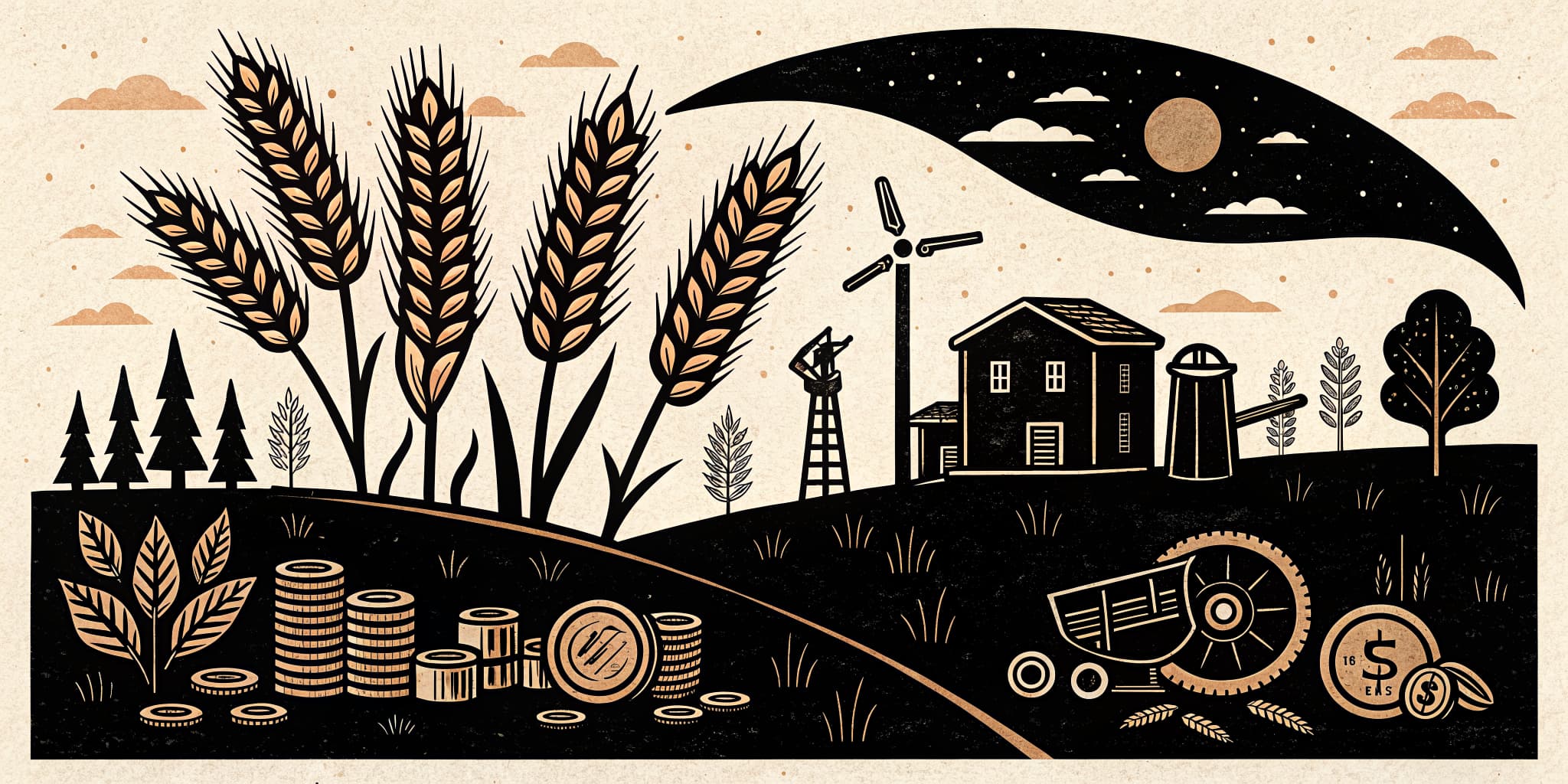
04Our Economy: Work & Money
Where do the things we use come from? Children explore goods and services, learn about producers and consumers, and discover the importance of saving.
Children learn that goods are things you can touch and buy, and services are helpful things people do for others.
Children discover that producers make or grow things and consumers buy or use them, and that everyone is both at different times.
Children explore the many different jobs people have in their community and how each job helps meet the needs of others.
Students distinguish between things people must have to survive and things they would like to have.
Children learn that resources are limited and that scarcity forces people to make choices about what to produce and consume.
Students learn the basic concepts of saving money for future goals and making wise spending choices.
Children explore the concept of bartering (trading goods and services without money) and understand how exchange helps people get what they need and want.
Students learn that money is a medium of exchange, making it easier to buy and sell goods and services than bartering.
Children are introduced to the idea of entrepreneurship, understanding that people can create new businesses and products to meet needs and wants.
Students begin to understand that communities and countries rely on each other for goods and services, leading to global interdependence.