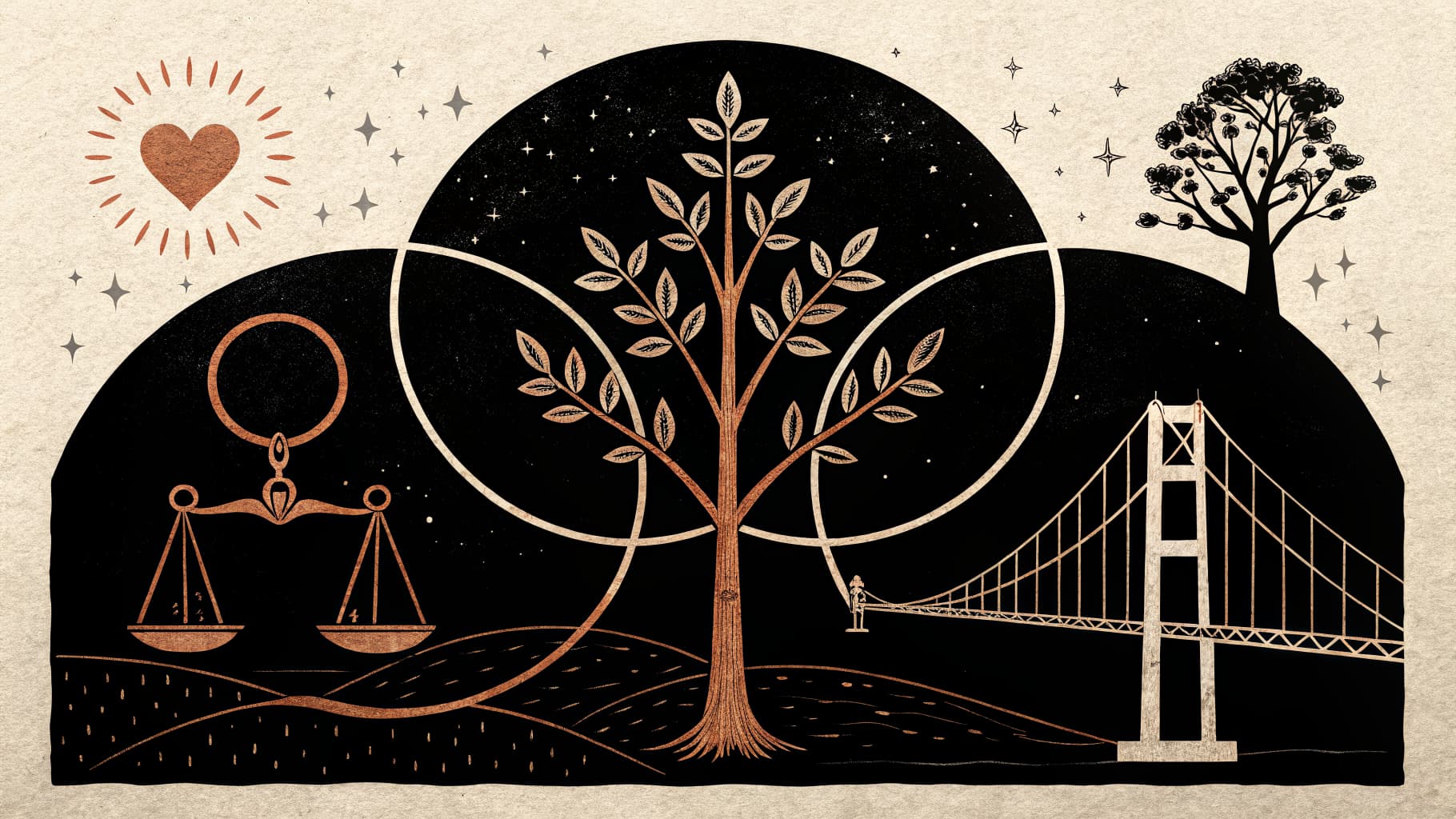
Social Cohesion and Harmony
Strategies for maintaining peace and understanding in a diverse neighborhood.
About This Topic
Social Cohesion and Harmony introduces Primary 4 students to strategies for peace and understanding in diverse neighborhoods. They analyze fair conflict resolution among varied groups, justify principles for equitable use of shared spaces like playgrounds and void decks, and design policy frameworks to support multicultural harmony in housing estates. These elements align with MOE standards for social cohesion and harmony at this level.
Set within the Building a Sustainable Future unit, the topic connects individual actions to community well-being. Students develop empathy, critical thinking, and civic responsibility, skills vital in Singapore's multiracial society. Discussions on real-life scenarios, such as HDB living, help them appreciate diversity as a strength that requires active effort to maintain.
Active learning benefits this topic most because simulations and group tasks allow students to practice resolution skills in safe settings. Role-plays of neighborhood disputes build empathy through direct interaction, while collaborative policy design reveals the impact of fair rules, making abstract ideas concrete and memorable.
Key Questions
- Analyze effective strategies for resolving conflicts fairly among diverse groups.
- Justify the principles for equitable allocation and use of shared community spaces.
- Design a just policy framework for fostering multicultural harmony in housing.
Learning Objectives
- Analyze specific strategies for resolving disagreements fairly in a diverse neighborhood setting.
- Justify principles for the equitable allocation and use of shared community spaces, such as void decks and parks.
- Design a simple policy framework to foster multicultural harmony within a housing estate.
- Compare the impact of different conflict resolution approaches on community relationships.
- Explain the importance of empathy in maintaining social cohesion within a multicultural society.
Before You Start
Why: Students need a basic awareness of cultural diversity to understand the challenges and benefits of living in a multicultural society.
Why: Effective communication is fundamental for resolving conflicts and discussing community issues respectfully.
Key Vocabulary
| Social Cohesion | The sense of belonging and unity within a society, where people feel connected and trust each other. |
| Multicultural Harmony | A state where people from different cultural backgrounds live together peacefully and respectfully, appreciating each other's differences. |
| Conflict Resolution | The process of finding peaceful solutions to disagreements between individuals or groups. |
| Equitable Allocation | Fairly distributing shared resources or spaces so that everyone has a just opportunity to use them. |
| Civic Responsibility | The duty of a citizen to participate in community life and contribute to the common good. |
Watch Out for These Misconceptions
Common MisconceptionHarmony means no disagreements ever occur.
What to Teach Instead
Harmony involves managing differences through fair processes, not eliminating them. Role-plays help students see that open discussions and compromises strengthen communities, as they experience diverse views firsthand and practice resolution.
Common MisconceptionShared spaces belong mainly to the majority group.
What to Teach Instead
Equity ensures fair access for all, regardless of background. Simulations of space use show benefits of inclusive rules, helping students correct biases through group negotiation and reflection.
Common MisconceptionOnly adults can resolve community conflicts.
What to Teach Instead
Peers can mediate effectively with guidance. Collaborative activities build student confidence in fair strategies, as they test and refine approaches in peer settings.
Active Learning Ideas
See all activities→Fishbowl Discussion
Role-Play: Neighborhood Disputes
Assign roles like residents from different backgrounds in a conflict over shared spaces. Groups act out the scenario, then switch to resolve it using fair strategies like compromise or mediation. Debrief with class sharing of effective methods.
Fishbowl Discussion
Policy Design Workshop: Harmony Rules
In pairs, students review sample neighborhood issues and draft a simple policy poster for equitable space use. Include visuals and rules justified by group principles. Present to class for peer feedback.
Fishbowl Discussion
Community Mapping: Diversity Walk
Pairs map their school neighborhood, noting diverse groups and shared spaces. Discuss potential conflicts and harmony strategies on the map. Share findings in a whole-class gallery walk.
Real-World Connections
- Community mediation centers, like the one in Clementi, offer trained mediators to help neighbors resolve disputes over noise or shared property lines, promoting peaceful coexistence.
- The Housing and Development Board (HDB) implements policies for managing common spaces in estates, such as rules for using void decks for events or maintaining common gardens, to ensure fair access for all residents.
- Interfaith dialogues organized by religious organizations in Singapore aim to build understanding and respect between different religious communities, preventing misunderstandings and fostering harmony.
Assessment Ideas
Present students with a scenario: Two families in an HDB block disagree about using the void deck for different purposes (one wants a quiet study space, the other a lively gathering spot). Ask: 'What are two fair ways to resolve this conflict? Explain why your suggestions promote harmony.'
Provide students with a list of community space rules (e.g., 'No loud music after 10 PM', 'Book BBQ pits two weeks in advance'). Ask them to identify which rules promote equitable allocation and explain their reasoning in one sentence for each.
Students write down one action they can personally take to contribute to social cohesion in their own neighborhood. They should also explain in one sentence why this action is important for multicultural harmony.
Frequently Asked Questions
How can I teach conflict resolution in Primary 4 CCE?
What activities promote social cohesion in diverse classrooms?
How does active learning support teaching social cohesion?
How to link social harmony to sustainable future in P4?
More in Building a Sustainable Future
Environmental Advocacy
Learning how to use democratic channels to promote sustainable living.
3 methodologies
Understanding Environmental Issues in Singapore
Focusing on local environmental challenges like waste management, water scarcity, and biodiversity loss.
3 methodologies
Citizen Action for Sustainability
Exploring how individuals and groups can advocate for environmental protection and sustainable practices.
3 methodologies
Building Inclusive Communities
Discussing the importance of empathy, respect, and understanding in diverse neighborhoods.
3 methodologies
Conflict Resolution in Communities
Learning practical skills for mediating disputes and promoting peaceful coexistence.
3 methodologies
Designing a Civic Project
A capstone experience where students plan a small-scale intervention for a local issue.
3 methodologies