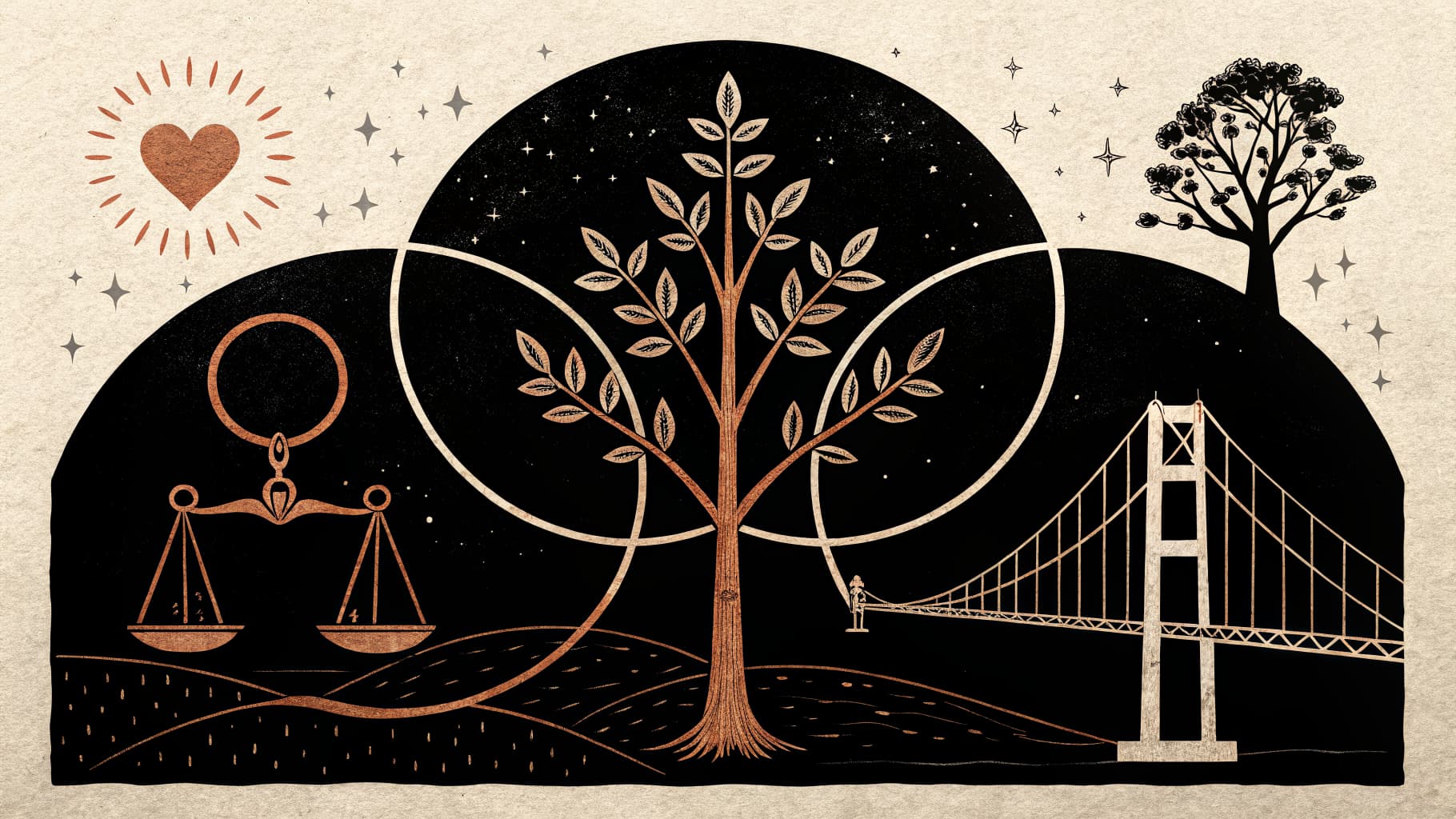
Building Inclusive Communities
Discussing the importance of empathy, respect, and understanding in diverse neighborhoods.
TL;DR:Active learning works for this topic because young students grasp abstract concepts like empathy and inclusion best through concrete experiences. When they take on roles, share stories, and design solutions, they connect lessons to real-life situations in their neighborhoods.
About This Topic
Building Inclusive Communities guides Primary 4 students to appreciate empathy, respect, and understanding in Singapore's diverse neighborhoods. They discuss how these qualities create harmony among residents with different languages, cultures, and traditions. Students address key questions by explaining empathy's role in reducing misunderstandings, analyzing how diversity builds community strength through varied ideas and support networks, and designing simple initiatives like shared events to encourage collaboration.
This topic supports MOE standards on Social Cohesion and Respect and Care. It equips students with perspective-taking skills and resilience, preparing them for real-world interactions in a multicultural society. Lessons connect personal actions to larger community outcomes, fostering a sense of responsibility.
Active learning benefits this topic greatly because hands-on activities such as role-playing conflicts or mapping neighborhood diversity let students experience empathy directly. These approaches build emotional connections, promote peer dialogue, and turn concepts into practical habits that last beyond the classroom.
Key Questions
- Explain the importance of empathy and respect in fostering inclusive communities.
- Analyze the benefits of diversity for community strength and resilience.
- Design initiatives to promote inter-group understanding and collaboration.
Learning Objectives
- Explain how empathy helps resolve conflicts in diverse neighborhoods.
- Analyze how different cultural perspectives contribute to community problem-solving.
- Design a community event that promotes interaction between people from different backgrounds.
- Compare the benefits of a diverse community versus a homogeneous one.
- Identify specific actions individuals can take to show respect for neighbors with different traditions.
Before You Start
Why: Students need a basic awareness of cultural differences to appreciate the complexities of building inclusive communities.
Why: Effective communication, including listening, is fundamental for demonstrating empathy and resolving misunderstandings.
Key Vocabulary
| Empathy | The ability to understand and share the feelings of another person, imagining yourself in their situation. |
| Respect | A feeling of deep admiration for someone or something elicited by their abilities, qualities, or achievements, or a proper consideration for the feelings, wishes, or rights of others. |
| Diversity | The presence of people from a wide range of backgrounds, including differences in race, ethnicity, religion, language, and culture within a community. |
| Inclusion | The practice of ensuring that people feel a sense of belonging and are valued, respected, and supported within a community. |
| Collaboration | The action of working with others to achieve a common goal, such as improving the neighborhood. |
Watch Out for These Misconceptions
Common MisconceptionDiversity means everyone must act the same to fit in.
What to Teach Instead
Diversity celebrates unique contributions that strengthen communities, like varied problem-solving ideas. Group mapping activities help students visualize shared values amid differences, shifting focus from sameness to mutual respect.
Common MisconceptionEmpathy is only for friends, not strangers.
What to Teach Instead
Empathy builds bridges with all neighbors by understanding perspectives. Role-playing stranger scenarios reveals common needs, helping students practice and internalize inclusive responses.
Common MisconceptionDifferences cause problems, so avoid them.
What to Teach Instead
Differences foster resilience and creativity when met with respect. Story-sharing circles demonstrate benefits, as students discover overlaps and strengths through peer interactions.
Active Learning Ideas
See all activities→Role Play
Neighborhood Scenarios
Divide class into small groups and assign scenarios like a new family moving in or a cultural festival dispute. Groups act out exclusive behaviors first, then replay with empathy and respect. Debrief with whole-class sharing of what changed outcomes.
Experiential Learning
Empathy Circles: Story Sharing
Form circles where students share a personal story from their family culture. Listeners repeat back what they heard to show understanding. Rotate roles twice, then discuss common feelings across differences.
Experiential Learning
Initiative Design: Community Posters
In pairs, students brainstorm and draw posters promoting inter-group events like a shared playground day. Include empathy messages and diversity benefits. Present to class for feedback and display in school.
Real-World Connections
- Community organizers in neighborhoods like Geylang Serai or Little India often plan multicultural festivals, such as the Hari Raya Light-Up or Deepavali Festival Village, to celebrate and bring together residents of various ethnicities and religions.
- Local neighborhood committees, comprising residents from diverse backgrounds, meet regularly to discuss and implement initiatives like shared community gardens or intergenerational skill-sharing workshops to strengthen social bonds.
- Social workers and mediators use empathy and active listening skills daily to help resolve disputes and build understanding between neighbors facing cultural misunderstandings or communication barriers.
Assessment Ideas
Pose the question: 'Imagine a new family moves into your block who speaks a different language and has different holiday traditions. What are two specific ways you could show them respect and help them feel welcome?' Facilitate a class discussion, noting student responses that demonstrate empathy and practical inclusion.
Provide students with a short scenario describing a minor conflict between neighbors from different backgrounds. Ask them to write down one empathetic response and one action that promotes understanding. Review responses for evidence of perspective-taking and respect.
On a slip of paper, ask students to list one benefit of having neighbors from different cultures and one idea for a community activity that would help people get to know each other better. Collect these to gauge understanding of diversity's value and collaborative initiatives.
Frequently Asked Questions
How to teach empathy in Primary 4 CCE inclusive communities?
What are benefits of diversity for Primary 4 students?
How can active learning help students build inclusive communities?
Common misconceptions in teaching inclusive communities P4?
More in Building a Sustainable Future
Environmental Advocacy
Learning how to use democratic channels to promote sustainable living.
8 methodologies
Understanding Environmental Issues in Singapore
Focusing on local environmental challenges like waste management, water scarcity, and biodiversity loss.
8 methodologies
Citizen Action for Sustainability
Exploring how individuals and groups can advocate for environmental protection and sustainable practices.
8 methodologies
Social Cohesion and Harmony
Strategies for maintaining peace and understanding in a diverse neighborhood.
8 methodologies
Conflict Resolution in Communities
Learning practical skills for mediating disputes and promoting peaceful coexistence.
8 methodologies
Designing a Civic Project
A capstone experience where students plan a small-scale intervention for a local issue.
8 methodologies