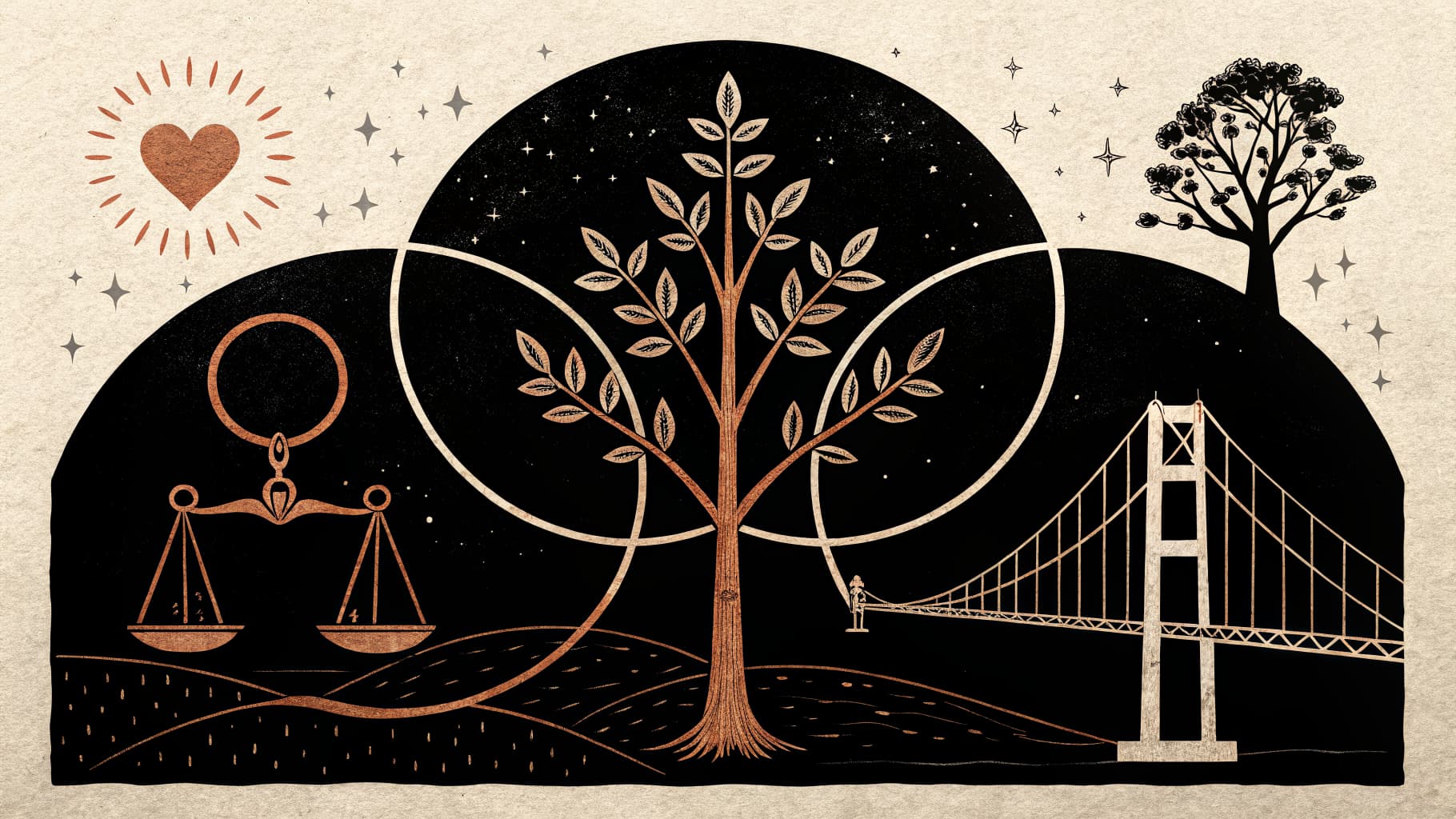
Promoting Racial and Religious Harmony
Discussing the importance of mutual respect and understanding in Singapore's multicultural society.
TL;DR:Active learning works for promoting racial and religious harmony because students must practice respectful dialogue in realistic situations. Role-plays and group projects mirror real-world interactions where misunderstandings arise, helping students internalize respect strategies through experience rather than passive listening.
About This Topic
Promoting Racial and Religious Harmony focuses on Singapore's multicultural fabric, where students explore mutual respect and understanding among diverse groups. They examine historical events, such as the 1964 racial riots, to grasp why harmony matters in a nation built by Chinese, Malay, Indian, and other communities. Lessons cover practical strategies like active listening during disagreements and celebrating festivals together, aligning with key questions on context, respect, and conflict resolution.
This topic sits within the Rights and Responsibilities unit, reinforcing MOE standards on Social Cohesion and Harmony and Diversity at Primary 4. Students connect personal interactions to national unity, learning that rights to practice one's faith come with responsibilities to respect others. Discussions highlight Singapore's unique approach, including Racial Harmony Day and Shared Values, fostering citizenship from young.
Active learning shines here through interactive methods that make abstract ideas personal. Role-plays of inter-group scenarios build empathy as students navigate conflicts peacefully. Group initiatives, like planning community events, encourage collaboration across differences, turning knowledge into skills students apply daily.
Key Questions
- Analyze the historical context and importance of racial and religious harmony in Singapore.
- Explain practical strategies for fostering mutual respect among diverse communities.
- Design initiatives to prevent and resolve inter-group conflicts peacefully.
Learning Objectives
- Analyze historical events that highlight the importance of racial and religious harmony in Singapore.
- Explain specific strategies individuals can use to show respect for people from different racial and religious backgrounds.
- Design a simple community project that promotes understanding between diverse groups.
- Compare the benefits of peaceful conflict resolution with the negative outcomes of inter-group conflict.
- Identify shared values that unite Singaporeans despite their diverse backgrounds.
Before You Start
Why: Students need a basic awareness of cultural differences to understand the concept of harmony among diverse groups.
Why: Effective listening and speaking are foundational for discussing respect and resolving conflicts peacefully.
Key Vocabulary
| Multiculturalism | The presence of, or support for the presence of, several distinct cultural or ethnic groups within a society. Singapore is a multicultural nation. |
| Harmony | Peaceful coexistence and agreement. In Singapore, racial and religious harmony means people of different races and religions living together peacefully. |
| Mutual Respect | A shared feeling of regard and consideration for one another. It involves valuing others' beliefs and practices even if they are different from your own. |
| Inter-group Conflict | Disagreements or clashes that occur between different groups of people, often based on race, religion, or culture. Learning to resolve these peacefully is important. |
| Shared Values | Core beliefs and principles that are important to most people in a society, helping to unite them. Singapore's Shared Values include 'Nation before community and society above self'. |
Watch Out for These Misconceptions
Common MisconceptionRacial harmony means everyone must follow the same customs.
What to Teach Instead
Harmony celebrates differences while respecting shared spaces. Role-plays help students practice appreciating unique practices, like wearing hijabs or celebrating Deepavali, without pressure to conform. Peer discussions reveal how diversity strengthens Singapore.
Common MisconceptionConflicts only arise from big differences, not daily interactions.
What to Teach Instead
Small misunderstandings in school can escalate without respect skills. Group activities modeling everyday scenarios teach proactive strategies, building confidence to address issues early through dialogue.
Common MisconceptionPast racial issues in Singapore are irrelevant today.
What to Teach Instead
History informs current harmony efforts, like laws against hate speech. Analyzing timelines in collaborative projects connects events to present-day rules, helping students value ongoing vigilance.
Active Learning Ideas
See all activities→Experiential Learning
Role-Play: Harmony Scenarios
Present scenarios of playground disagreements between students of different races or religions. Pairs act out the conflict, then switch roles to resolve it using respect strategies like 'I feel' statements. Debrief as a class on what worked.
Experiential Learning
Group Project: Harmony Initiative Design
Small groups brainstorm and sketch a school event, such as a food-sharing fair, to promote understanding. They assign roles, create posters with key messages, and present to the class for feedback. Link to historical lessons learned.
Experiential Learning
Circle Share: Festival Stories
Students sit in a circle and share one fact or story about a friend's festival, passing a talking stick. Teacher models respect by paraphrasing each share. Record common themes on chart paper.
Real-World Connections
- Community mediators work in neighborhoods across Singapore to help resolve disputes between residents from different backgrounds, ensuring peaceful coexistence.
- Organizers of events like the Chingay Parade and Hari Raya open houses in Singapore actively plan activities that allow people from all races and religions to participate and learn from each other.
- At the National Heritage Board, curators research and present exhibitions about the diverse cultural histories of Singapore, helping citizens understand and appreciate the nation's multicultural past.
Assessment Ideas
Pose this question to the class: 'Imagine two friends from different religious backgrounds are arguing because one accidentally disrespected the other's religious symbol. What are two specific things they could say or do to resolve this conflict respectfully?'
Provide students with a short scenario describing a misunderstanding between people of different races. Ask them to write down one action that would show mutual respect and one action that could lead to conflict. Review answers for understanding of respectful behavior.
On a slip of paper, ask students to write: 1) One reason why racial and religious harmony is important for Singapore. 2) One way they can practice mutual respect in their daily lives at school or home.
Frequently Asked Questions
How to introduce Singapore's racial history to Primary 4 students?
What practical strategies teach mutual respect?
How can active learning promote racial and religious harmony?
How to design initiatives for conflict resolution?
More in Rights and Responsibilities
Individual Rights vs. Public Good
Exploring the balance between personal freedoms and the needs of the wider community.
8 methodologies
Understanding Fundamental Liberties
Identifying and discussing key rights such as freedom of speech, assembly, and religion.
8 methodologies
Civic Responsibilities: Duties of a Citizen
Examining the duties citizens have to their community and nation, such as obeying laws and contributing to society.
8 methodologies
The Right to Vote and Participation
Understanding the electoral process and the importance of civic engagement beyond the ballot box.
8 methodologies
Understanding Elections and Voting
Learning about the electoral system, political parties, and the process of casting a vote.
8 methodologies
Beyond the Ballot Box: Other Forms of Participation
Exploring ways citizens can engage, such as volunteering, advocacy, and community initiatives.
8 methodologies