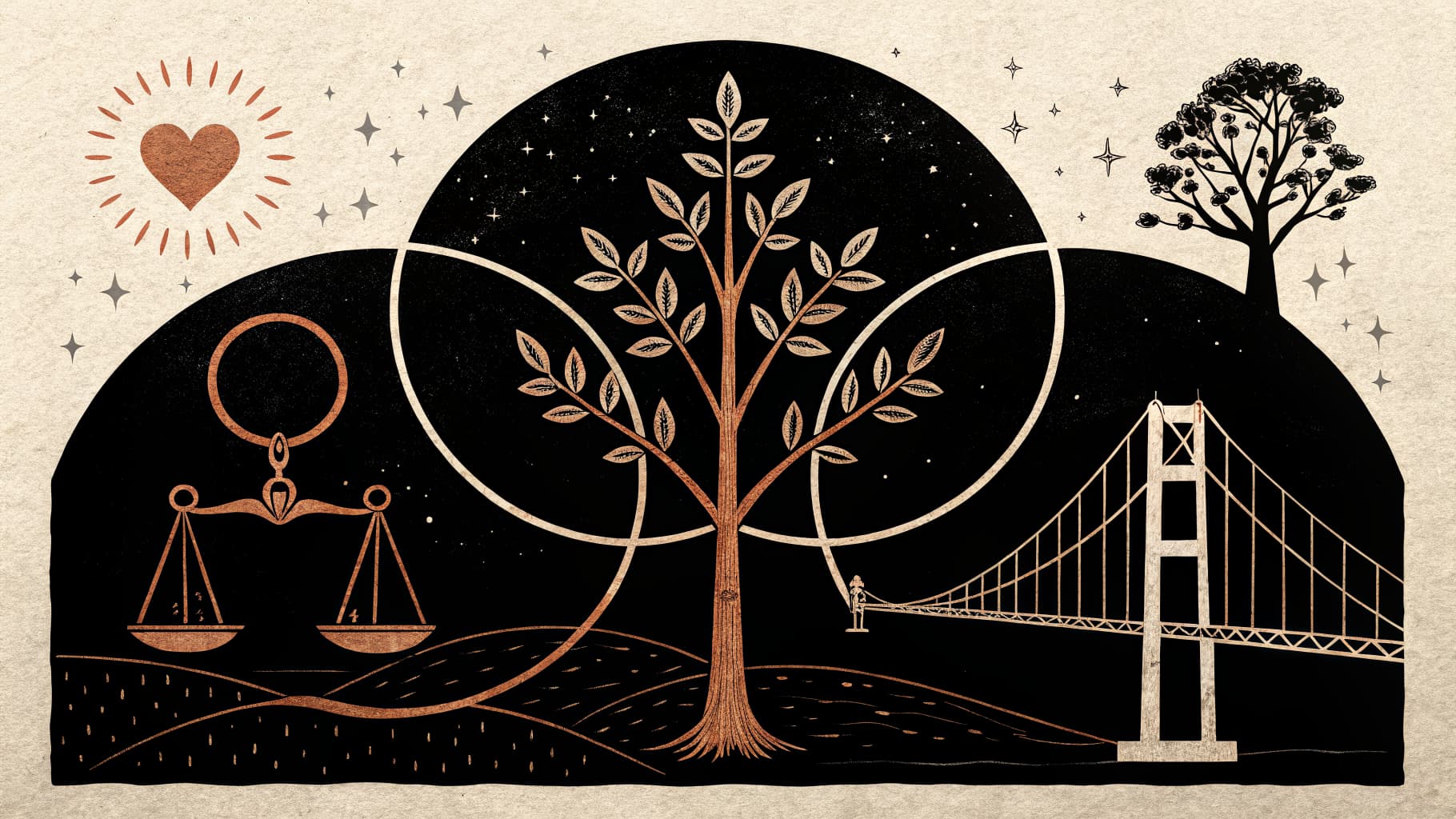
Individual Rights vs. Public Good
Exploring the balance between personal freedoms and the needs of the wider community.
About This Topic
The topic Individual Rights vs. Public Good guides Primary 4 students to explore the balance between personal freedoms and community needs. They examine everyday scenarios, such as choosing personal convenience over group safety during school events or following public health rules like mask-wearing. This directly supports MOE's Rights and Responsibilities strand, where students analyze tensions between individual choices and collective well-being, and justify when freedoms may be limited for the greater good.
Within CCE, this unit strengthens decision-making skills from the P4 standards. Students evaluate responsible citizenship traits, especially in societal crises like pandemics or natural disasters. They recognize that rights entail responsibilities, building empathy, fairness, and the ability to consider multiple perspectives in group settings.
Active learning benefits this topic greatly because role-plays and debates bring dilemmas to life. Students practice articulating views, listening to peers, and negotiating compromises, which deepens understanding and makes civic concepts relevant and memorable.
Key Questions
- Analyze the inherent tension between individual rights and the collective public good.
- Justify the circumstances under which personal freedoms might be reasonably limited.
- Evaluate the characteristics of a responsible citizen during times of societal crisis.
Learning Objectives
- Analyze scenarios to identify conflicts between individual rights and the public good.
- Justify the reasonable limitations placed on personal freedoms for the benefit of the community.
- Evaluate the actions of a responsible citizen during a simulated public health crisis.
- Compare the perspectives of individuals and the community in situations requiring shared sacrifice.
- Explain the ethical considerations involved in balancing personal liberties with collective needs.
Before You Start
Why: Students need a basic understanding of rules and why they exist to grasp the concept of personal freedoms being balanced by community expectations.
Why: Developing the ability to consider others' feelings and viewpoints is crucial for understanding the needs of the wider community.
Key Vocabulary
| Individual Rights | Freedoms and entitlements that belong to each person, such as the right to privacy or freedom of choice. |
| Public Good | The welfare and common interests of a community or society as a whole, often requiring collective action or shared responsibility. |
| Compromise | An agreement reached by each side giving up some demands to achieve a mutual understanding or solution. |
| Responsibility | A duty or obligation to act in a certain way, often involving consideration for others or the community. |
| Societal Crisis | A significant event or period that threatens the well-being, stability, or functioning of a community or nation. |
Watch Out for These Misconceptions
Common MisconceptionIndividual rights always override the needs of the group.
What to Teach Instead
Students often prioritize self over community due to egocentrism at this age. Role-plays help by letting them experience impacts on others firsthand. Peer discussions then reveal shared benefits of compromise, shifting views toward balanced citizenship.
Common MisconceptionPublic good means giving up all personal freedoms.
What to Teach Instead
This stems from seeing rules as total restrictions. Debate activities clarify limits are situational, not absolute. Active negotiation in groups shows how freedoms can coexist with responsibilities, fostering nuanced understanding.
Common MisconceptionRights and responsibilities only apply in major crises.
What to Teach Instead
Children limit concepts to extremes like pandemics. Scenario-based matrices extend thinking to daily life. Collaborative creation of rules reinforces ongoing application, building habits of responsible decision-making.
Active Learning Ideas
See all activities→Philosophical Chairs
Role-Play: Everyday Dilemmas
Present scenarios like playing loud music in a shared space or skipping cleanup duty. In small groups, students act out the conflict, propose solutions, and vote on the fairest outcome. Debrief as a class on rights balanced with responsibilities.
Philosophical Chairs
Debate Pairs: Crisis Choices
Pair students to debate positions, such as individual travel rights versus community lockdown rules during a health crisis. Each pair presents arguments then switches sides. Class votes and discusses key justifications.
Decision Matrix
Weigh Options
Provide a worksheet with scenarios listing pros and cons for individual action versus public good. Students score options individually, then share and adjust in small groups based on peer input.
Real-World Connections
- During a dengue fever outbreak, residents in a HDB estate might need to allow pest control officers to enter their homes to spray insecticide, balancing their right to privacy with the public health need to control mosquito breeding.
- Singapore's regulations on public smoking in designated areas limit individual freedom to smoke anywhere, prioritizing the health and comfort of non-smokers in public spaces.
- During a pandemic, national guidelines on mask-wearing and social distancing, while restricting personal movement and choice, aimed to protect vulnerable populations and prevent overwhelming healthcare systems.
Assessment Ideas
Present students with a scenario: 'A new community park is being built, but it requires a small number of residents to give up a portion of their private gardens. Discuss: What individual rights are involved? What is the public good being served? How could a fair compromise be reached?'
Ask students to write down two examples of individual rights and two examples of responsibilities they have as members of their school community. Review responses to check for understanding of the concepts.
Provide students with a statement: 'Sometimes, individual freedoms must be limited for the good of everyone.' Ask them to write one sentence explaining why they agree or disagree, and give one example to support their view.
Frequently Asked Questions
What real-life examples work for P4 individual rights vs public good?
How does this topic align with MOE CCE P4 standards?
How can active learning help students grasp individual rights vs public good?
How to assess understanding of rights vs public good in P4?
More in Rights and Responsibilities
Understanding Fundamental Liberties
Identifying and discussing key rights such as freedom of speech, assembly, and religion.
3 methodologies
Civic Responsibilities: Duties of a Citizen
Examining the duties citizens have to their community and nation, such as obeying laws and contributing to society.
3 methodologies
The Right to Vote and Participation
Understanding the electoral process and the importance of civic engagement beyond the ballot box.
3 methodologies
Understanding Elections and Voting
Learning about the electoral system, political parties, and the process of casting a vote.
3 methodologies
Beyond the Ballot Box: Other Forms of Participation
Exploring ways citizens can engage, such as volunteering, advocacy, and community initiatives.
3 methodologies
Inclusion and Minority Rights
Analyzing how a democracy ensures the voices of smaller groups are heard and protected.
3 methodologies