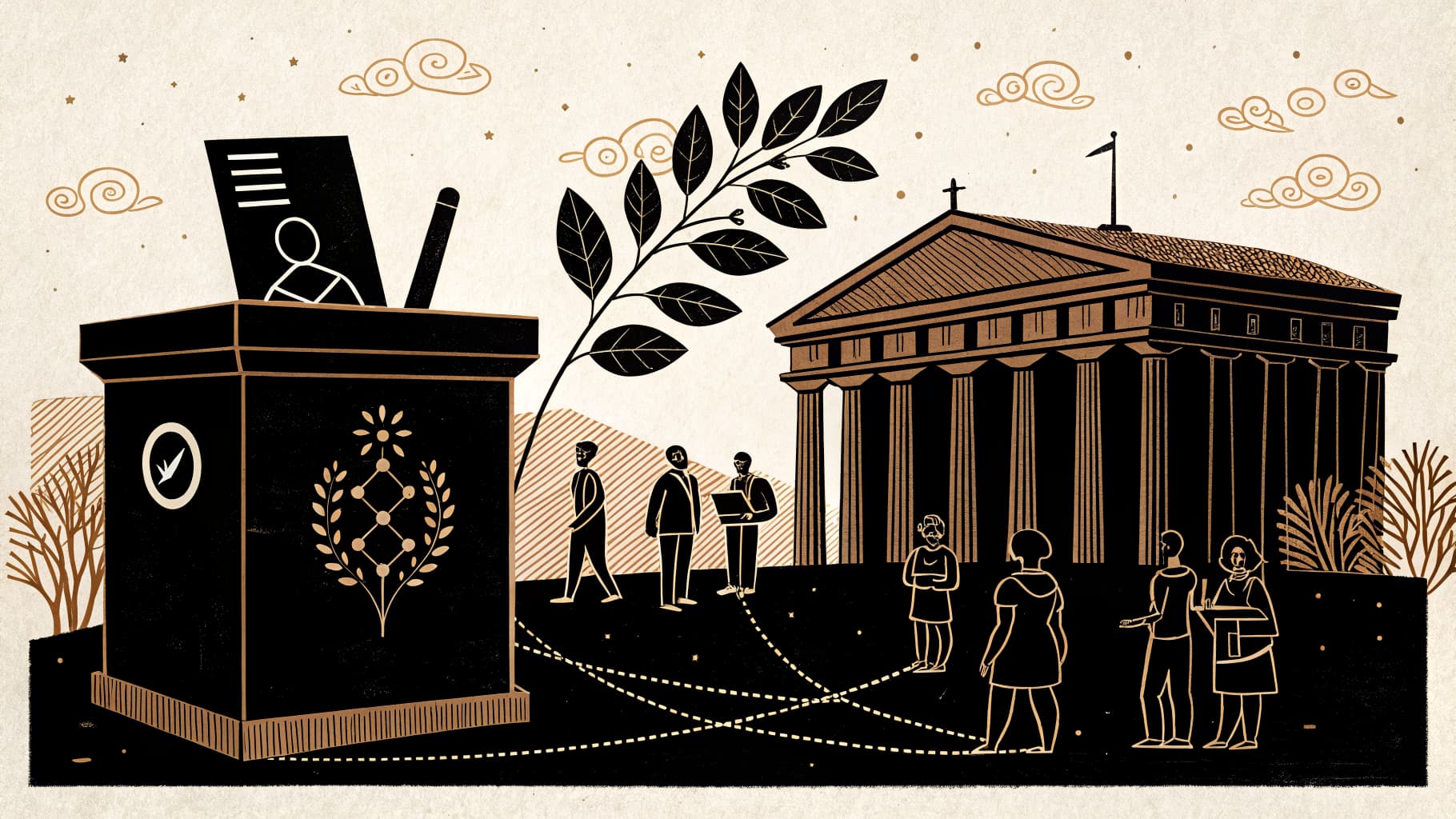
My Voice, My Choice: Why Voting Matters
Understand that voting is a way for people to choose their leaders and make decisions, and why it's important for everyone to have a voice.
TL;DR:Active learning helps students grasp the importance of voting by letting them experience its impact firsthand. When students role-play elections or debate policies, they connect abstract concepts to real decisions, making the value of each voice clear. This approach builds empathy and understanding that textbooks alone cannot achieve.
About This Topic
Voting gives citizens the power to select leaders and shape community decisions in a democracy. For 2nd Year students, this topic explores why adults vote, how it strengthens communities, and the value of every voice. Students connect voting to real Irish examples, such as local council elections or national referendums, and recognize that participation ensures fair representation.
This content aligns with NCCA Primary strands in Myself and the Wider World, focusing on making choices and community roles. Students examine scenarios where voting resolves disagreements, like choosing class monitors or school rules, and discuss barriers to voting, such as age limits. These discussions build skills in critical thinking, empathy, and civic responsibility, preparing students for active citizenship.
Active learning suits this topic perfectly. Mock elections, role-plays of debates, and class votes on everyday issues make abstract concepts concrete. Students experience the thrill of choice and impact, fostering enthusiasm for democracy while addressing key questions through hands-on participation.
Key Questions
- Why do grown-ups vote?
- How does voting help our community?
- Why is it important for everyone to have a say?
Learning Objectives
- Explain how voting allows citizens to select representatives in Ireland.
- Analyze the impact of voting on community decisions, using examples of local council elections.
- Compare the importance of individual votes in national referendums versus local issues.
- Evaluate scenarios where a lack of participation affects democratic outcomes.
- Identify barriers that might prevent citizens from voting.
Before You Start
Why: Students need to understand that communities have different roles and that people have responsibilities within them to grasp how voting fits into civic life.
Why: Understanding how to make choices and solve problems individually or in small groups provides a foundation for understanding collective decision-making through voting.
Key Vocabulary
| Suffrage | The right to vote in public elections. In Ireland, this right is typically granted to citizens over 18 years old. |
| Referendum | A direct vote by the electorate on a particular proposal or law. This allows citizens to make decisions on specific issues. |
| Electorate | All the people in a country or area who are entitled to vote. This group collectively chooses leaders and makes decisions through voting. |
| Representation | The action of speaking or acting on behalf of someone or the state of being so represented. In voting, it means choosing someone to speak for your interests. |
Watch Out for These Misconceptions
Common MisconceptionVoting is only for older adults.
What to Teach Instead
Many democracies lower voting ages, and students can participate in youth councils. Role-plays of age debates help students see fairness issues and value of youth voices through peer arguments.
Common MisconceptionOne vote never changes anything.
What to Teach Instead
Close elections, like some Irish referendums, show single votes matter in totals. Class mock votes demonstrate this when results flip with a few changes, building appreciation via direct experience.
Common MisconceptionLeaders always follow voter wishes exactly.
What to Teach Instead
Leaders balance many views and make compromises. Group discussions of election promises versus actions clarify this, with active voting simulations showing shared responsibility.
Active Learning Ideas
See all activities→Four Corners
Mock Election: Class Leader Vote
Nominate two candidates for a fictional class role, like 'Fun Day Planner.' Hold speeches, then vote using paper ballots. Tally results together and discuss how votes decided the winner.
Four Corners
Pairs Debate: Voting Scenarios
Pair students to debate prompts like 'Should everyone over 16 vote?' Each pair prepares arguments for and against, then shares with the class. Vote on the strongest argument.
Four Corners
Small Groups: Community Vote Survey
Groups design a simple survey on a school issue, like lunch options. Survey classmates, graph results, and present findings on why voting matters.
Real-World Connections
- Students can research the results of a recent local council election in their area, identifying which councillors were elected and what issues were important to voters.
- Discuss how the results of a national referendum, like the marriage equality or abortion referendums, directly changed laws and impacted people's lives across Ireland.
- Explore the role of the Ceann Comhairle (Chairperson of Dáil Éireann), who is elected by TDs (Teachtaí Dála), and how their role ensures fair debate in parliament.
Assessment Ideas
On a slip of paper, ask students to write one reason why voting is important for their community and one example of something they might vote on in school or at home.
Pose the question: 'If only 10 people in our class voted for class monitor, would the result be fair for everyone?' Facilitate a discussion about how low turnout can affect outcomes and why everyone's voice matters.
Present students with three short scenarios: one about a class vote for a school trip destination, one about a local council election, and one about a national referendum. Ask students to identify which scenario best represents 'making a choice for the community' and explain why.
Frequently Asked Questions
Why teach voting importance to 2nd Year students?
How does voting help Irish communities?
What active learning strategies work for teaching why voting matters?
Why is it important for everyone to have a say through voting?
More in The Architecture of Democracy
Our Classroom Rules: Why We Need Them
Explore why rules are important in our classroom and school, and how they help everyone feel safe and fair.
8 methodologies
Our School Leaders: Who Helps Our School?
Identify different people who help lead and make decisions in our school community, like the principal, teachers, and student council.
8 methodologies
Our President: A Special Person for Ireland
Learn about the President of Ireland as a national figure, what they do for our country, and why they are important.
8 methodologies
Making Choices: How We Vote in Class
Understand the simple idea of voting to make choices in the classroom, like choosing a class book or activity, and why everyone's vote counts.
8 methodologies
Local Councils: Power in the Community
Explore the structure and responsibilities of county and city councils in Ireland.
8 methodologies
Citizen Engagement in Local Governance
Investigate avenues for citizens to influence local government decisions and participate in community development.
8 methodologies