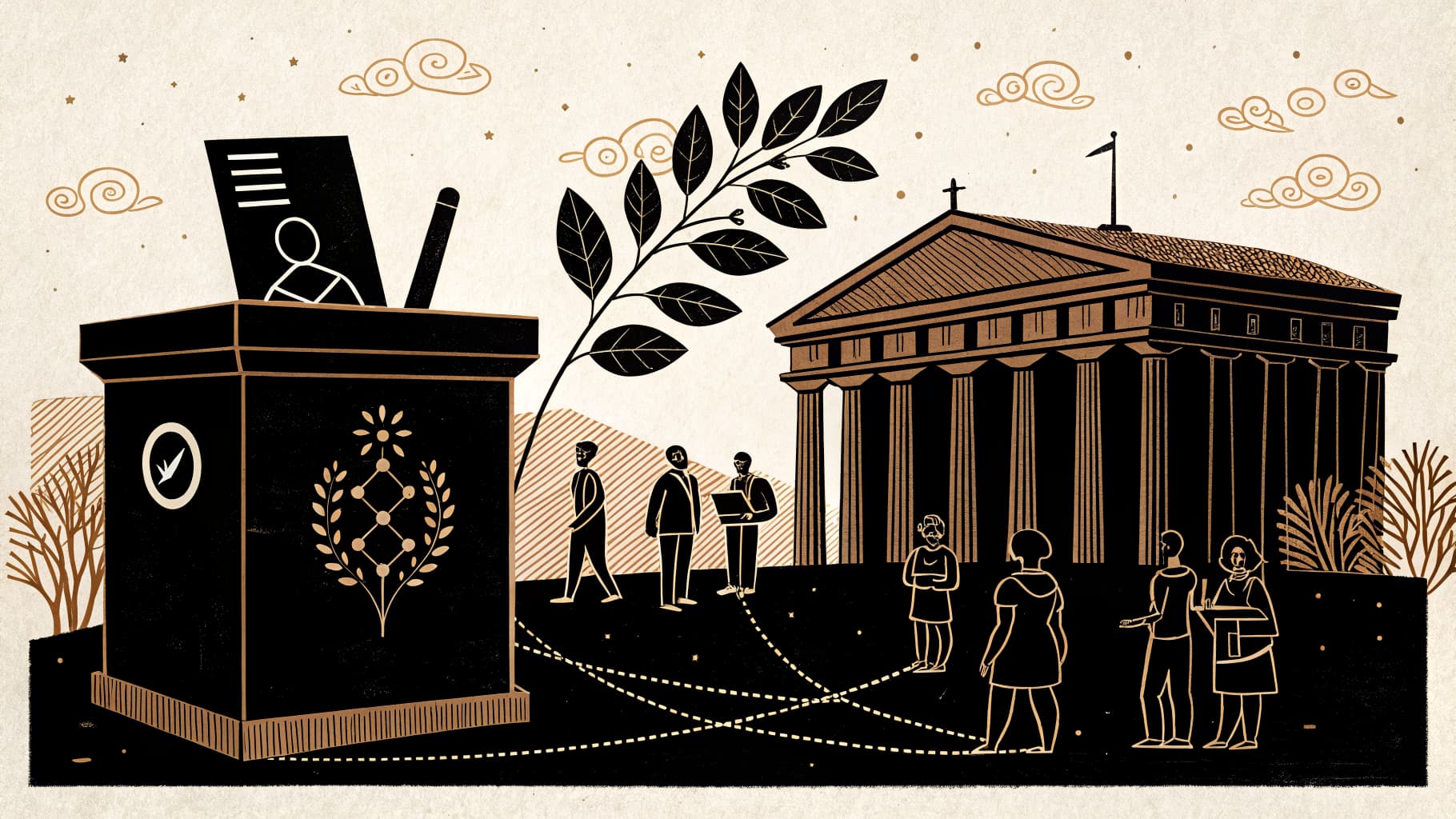
Civic Responsibility and Active Citizenship
Define and discuss the concept of active citizenship and its importance in a democratic society.
TL;DR:Active learning immerses students in real-world decision-making, which builds the empathy and agency needed for civic responsibility. By acting out scenarios and auditing their own community, students see how personal choices connect to broader social outcomes.
About This Topic
Active citizenship moves beyond simply residing in a democracy to actively participating in its processes and contributing to the common good. This topic explores the core tenets of civic responsibility, emphasizing that citizens have both rights and duties. Students will examine how individual actions, from voting and volunteering to advocating for change and staying informed, collectively shape the health and functionality of a democratic state. Understanding this dynamic is crucial for fostering a generation that is not only aware of societal issues but also equipped and motivated to address them.
This unit encourages students to reflect on their roles within their local communities and the wider national context. By differentiating between passive observation and active engagement, students begin to see themselves as agents of change. They will analyze the impact of their choices and learn to identify opportunities for meaningful contribution. Developing a personal plan for active citizenship helps solidify these concepts, making them practical and actionable for their lives beyond the classroom.
Active learning is particularly beneficial here because it transforms abstract civic concepts into tangible experiences. Engaging in simulations, community projects, or debates allows students to practice civic skills, understand the complexities of collective action, and develop a personal stake in democratic processes.
Key Questions
- Explain the difference between passive and active citizenship.
- Analyze how individual actions can contribute to collective well-being.
- Construct a personal plan for engaging in active citizenship within the community.
Watch Out for These Misconceptions
Common MisconceptionActive citizenship only means voting or protesting.
What to Teach Instead
Active citizenship encompasses a wide range of actions, including staying informed, volunteering, engaging in respectful dialogue, and contributing to local initiatives. Simulations and case studies can illustrate this broader spectrum of participation.
Common MisconceptionOne person's actions don't make a difference in a large society.
What to Teach Instead
Collective well-being is built upon individual contributions. Group projects and discussions about historical movements can demonstrate how seemingly small actions, when multiplied, lead to significant societal change.
Active Learning Ideas
See all activities→Role Play
Community Problem Solvers
Students are assigned roles representing different community members (e.g., resident, business owner, local official). They must collaboratively identify a local issue and propose solutions, debating the pros and cons of each approach.
Formal Debate
Mandatory Volunteering
Organize a formal debate on whether community service should be a mandatory requirement for all citizens. Students research arguments for and against, developing persuasive speaking and critical thinking skills.
Plan-Do-Review
Action Plan Creation: My Civic Contribution
Individually, students brainstorm and outline a personal plan for active citizenship. This includes identifying a specific area of interest (e.g., environmental protection, youth engagement) and detailing actionable steps they can take.
Frequently Asked Questions
What is the difference between passive and active citizenship?
How can students learn about civic responsibility effectively?
Why is active citizenship important for a democracy?
How can teachers encourage active citizenship in the classroom?
More in The Architecture of Democracy
Our Classroom Rules: Why We Need Them
Explore why rules are important in our classroom and school, and how they help everyone feel safe and fair.
8 methodologies
Our School Leaders: Who Helps Our School?
Identify different people who help lead and make decisions in our school community, like the principal, teachers, and student council.
8 methodologies
Our President: A Special Person for Ireland
Learn about the President of Ireland as a national figure, what they do for our country, and why they are important.
8 methodologies
Making Choices: How We Vote in Class
Understand the simple idea of voting to make choices in the classroom, like choosing a class book or activity, and why everyone's vote counts.
8 methodologies
Local Councils: Power in the Community
Explore the structure and responsibilities of county and city councils in Ireland.
8 methodologies
Citizen Engagement in Local Governance
Investigate avenues for citizens to influence local government decisions and participate in community development.
8 methodologies