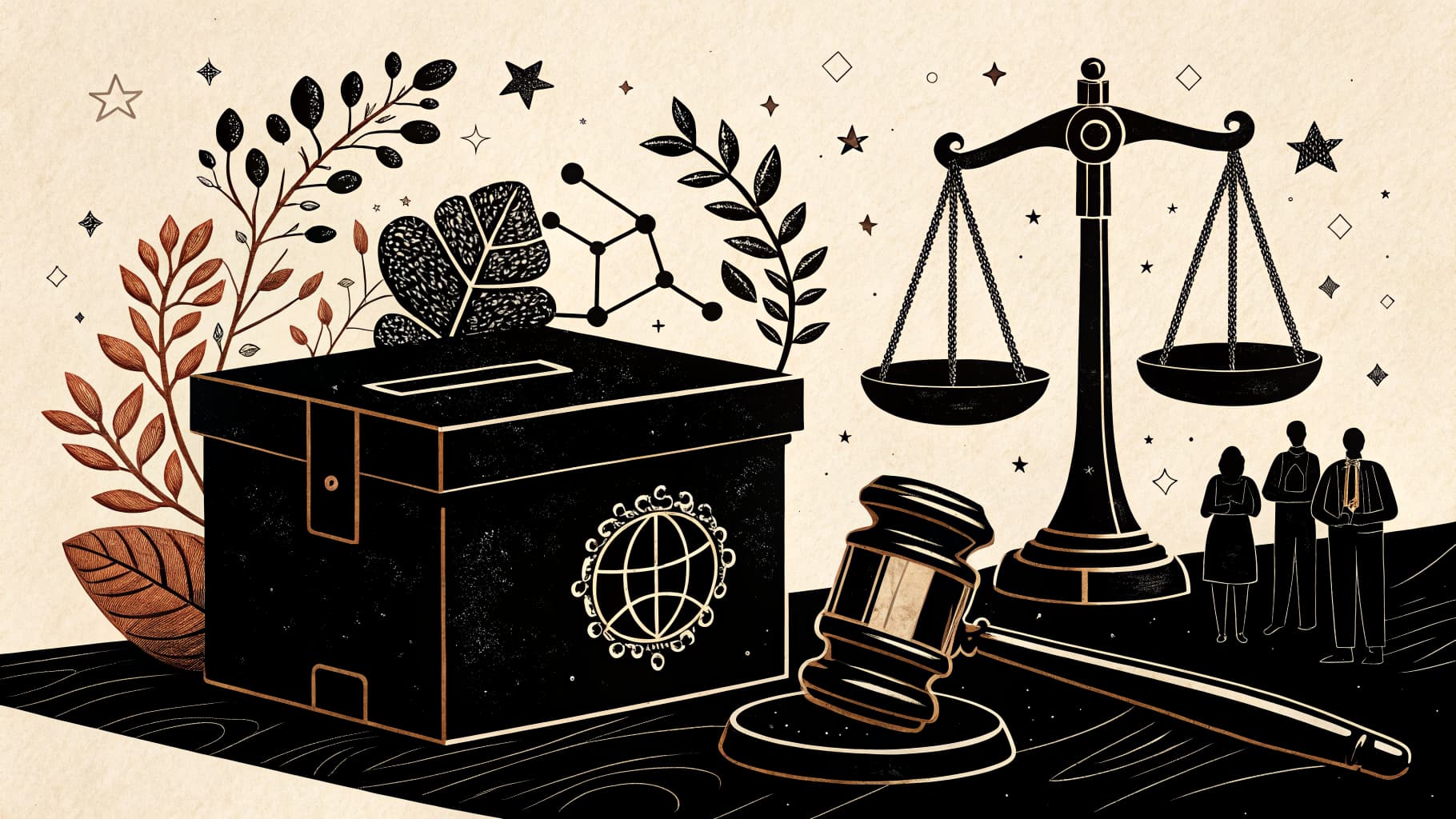
Environmental Rights
Examining the concept of environmental rights and the legal and ethical arguments for their recognition.
TL;DR:Active learning helps students grasp the real-world stakes of environmental rights by shifting from abstract legal principles to lived experiences. When students debate, role-play, and map impacts, they connect global declarations to personal consequences, making rights claims tangible rather than theoretical.
About This Topic
Environmental rights assert that individuals have a fundamental human right to a healthy, sustainable environment. Year 9 students examine legal arguments, including the UN General Assembly's 2022 resolution and national constitutions like those in over 100 countries, alongside ethical claims based on justice for future generations and protection of health and life. They connect these to real-world issues such as air pollution in UK cities and global deforestation.
This topic aligns with KS3 Citizenship standards on human rights, international law, and global citizenship. Students evaluate enforcement challenges, from varying national laws to the lack of binding global treaties, and predict climate change effects on rights like food security and safe housing. These discussions build skills in analysis and ethical reasoning.
Active learning benefits this topic greatly because simulations of UN negotiations or structured debates turn abstract legal concepts into engaging advocacy experiences. Students practice persuasion and empathy while grappling with trade-offs, making complex international dynamics concrete and memorable.
Key Questions
- Analyze the arguments for recognizing a human right to a healthy environment.
- Evaluate the challenges in enforcing environmental rights at national and international levels.
- Predict the impact of climate change on fundamental human rights.
Learning Objectives
- Analyze the legal and ethical arguments supporting a human right to a healthy environment.
- Evaluate the practical challenges in enforcing environmental rights at national and international levels.
- Predict the specific impacts of climate change on fundamental human rights, such as the right to life and adequate housing.
- Compare the legal recognition of environmental rights in different countries, citing examples from national constitutions.
- Critique the effectiveness of current international agreements in protecting environmental rights.
Before You Start
Why: Students need a foundational understanding of what human rights are and their significance before exploring specific environmental rights.
Why: Understanding that environmental problems often transcend national borders is crucial for grasping the international law aspect of environmental rights.
Key Vocabulary
| Environmental Rights | The assertion that individuals possess a fundamental human right to live in a safe, clean, and sustainable environment. This includes rights to clean air, water, and a stable climate. |
| Jus Cogens | Peremptory norms of general international law that are accepted and recognized by the international community of states as a whole as norms from which no derogation is permitted. Some argue environmental protection is emerging as such a norm. |
| Climate Justice | A framework that addresses the ethical and political issues arising from the impact of climate change, recognizing that its effects disproportionately harm vulnerable populations and future generations. |
| Environmental Treaty | A formal, legally binding agreement between two or more states or international organizations concerning environmental issues, such as pollution control or biodiversity conservation. |
Watch Out for These Misconceptions
Common MisconceptionEnvironmental rights only protect nature, not people.
What to Teach Instead
These rights safeguard human well-being through clean air, water, and safe climates. Role-plays help students see personal stakes, like asthma from pollution, shifting focus from abstract ecology to lived impacts.
Common MisconceptionEnvironmental rights are fully enforced worldwide already.
What to Teach Instead
Recognition exists in many places, but weak penalties and political resistance limit action. Case study jigsaws reveal enforcement gaps, prompting students to propose fixes through peer teaching.
Common MisconceptionClimate change won't impact our basic rights soon.
What to Teach Instead
It already strains rights via extreme weather and food shortages. Mapping activities connect local floods to global rights violations, building urgency through visual evidence.
Active Learning Ideas
See all activities→Socio-Scientific Issues
Debate Carousel: Arguments for Rights
Assign small groups one argument for or against environmental rights, such as legal precedents or economic costs. Groups rotate every 7 minutes to debate against another viewpoint, noting key points on shared charts. Conclude with a whole-class vote and reflection.
Jigsaw
Enforcement Hurdles
Divide cases like Ecuador's rights enforcement or UK's net-zero laws among expert groups for research and summary posters. Regroup into mixed teams to teach peers and discuss solutions. End with class priorities list.
Socio-Scientific Issues
Role-Play Summit: Climate Negotiations
Assign roles as country delegates, NGOs, or scientists with position cards on climate impacts. In rounds, negotiate a mock treaty protecting rights, then vote and debrief on compromises needed.
Real-World Connections
- Environmental lawyers working for organizations like ClientEarth use legal challenges to hold governments and corporations accountable for environmental damage, citing human rights principles in court cases in the UK and Europe.
- Indigenous communities in the Amazon rainforest are advocating for their land rights and the right to a healthy environment, directly impacted by deforestation and resource extraction, bringing their cases to international forums like the UN Permanent Forum on Indigenous Issues.
- Urban planners in cities like Manchester are developing strategies to improve air quality, recognizing that poor air pollution directly impacts residents' health and their right to a safe living environment.
Assessment Ideas
Pose the question: 'If a government fails to protect its citizens from severe air pollution, are they violating a human right?' Ask students to provide one legal and one ethical reason to support their answer, referencing specific examples discussed in class.
Present students with a short scenario describing a new industrial development that threatens a local water source. Ask them to identify: 1. Which fundamental human right might be threatened? 2. What is one challenge in legally enforcing protection for this right?
On a slip of paper, have students write down one specific consequence of climate change that could impact a human right, and name one international body or agreement that attempts to address environmental issues.
Frequently Asked Questions
What are the key arguments for recognising environmental rights?
How to teach challenges in enforcing environmental rights?
How can active learning help students grasp environmental rights?
What is the impact of climate change on human rights?
More in Human Rights and International Law
The Universal Declaration of Human Rights
Analyzing the historical context and the global impact of the 1948 declaration.
8 methodologies
European Convention on Human Rights
Examining the origins and key provisions of the European Convention on Human Rights.
8 methodologies
The UK Human Rights Act
Examining how the European Convention on Human Rights is integrated into British domestic law.
8 methodologies
International Law: Foundations
An introduction to the principles and sources of international law, and how it differs from domestic law.
8 methodologies
International Conflict and Humanitarian Law
Investigating the role of the UN and the International Criminal Court in managing global disputes.
8 methodologies
Refugee and Asylum Law
Exploring the legal framework for refugees and asylum seekers, and the UK's international obligations.
8 methodologies