Canada · Ontario Curriculum Expectations
Grade 5 Social Studies
Grade 5 Social Studies exploring the interactions between First Nations peoples and Europeans, the development of responsible citizenship, and French-English relations in early Canada.
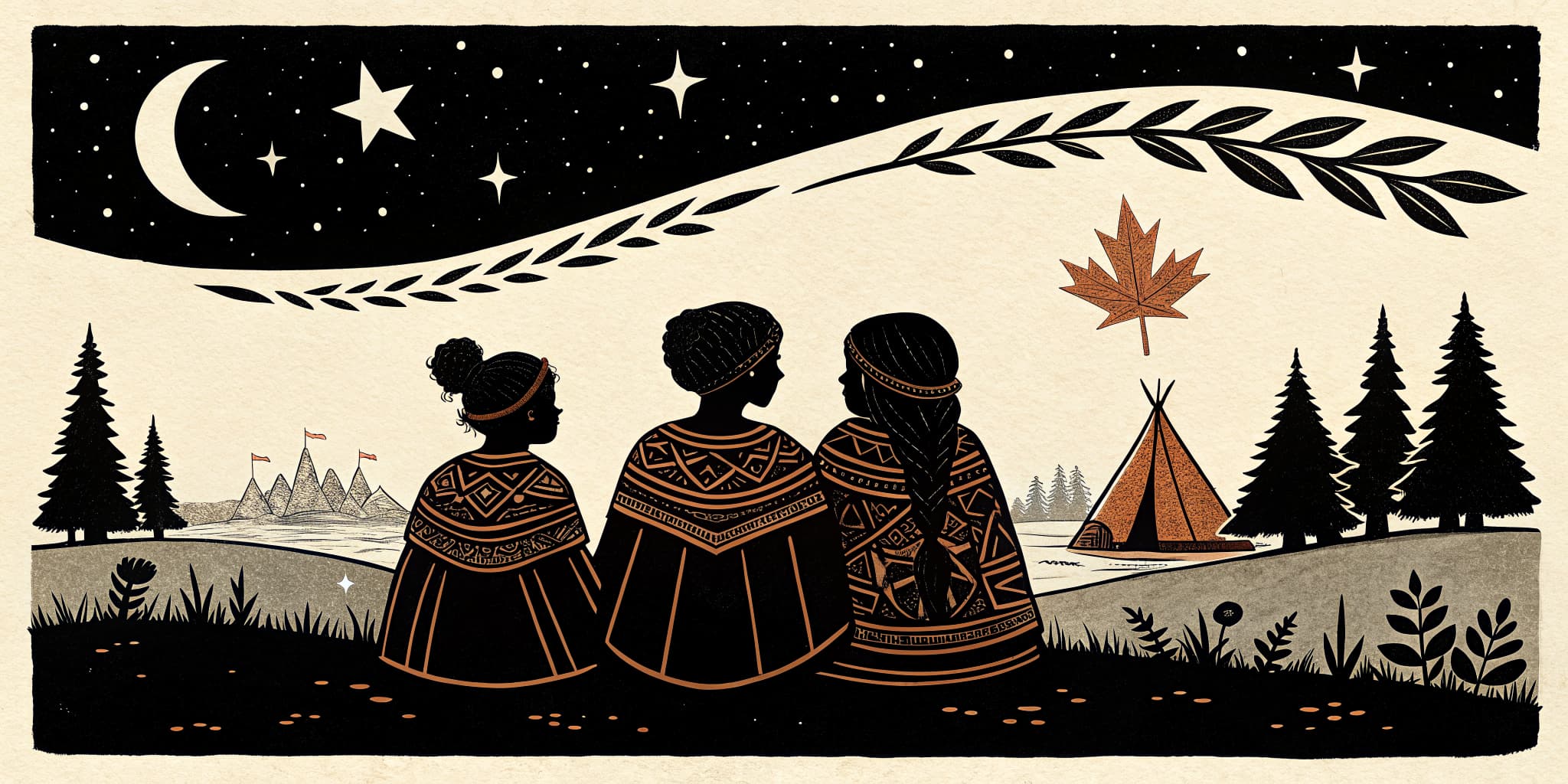
01First Nations Before Contact
What was life like for First Nations peoples before Europeans arrived? Students explore the diverse nations, cultures, and governance systems that existed across what is now Canada.
Students will identify and locate major First Nations groups across pre-contact Canada, recognizing their distinct geographical territories and cultural regions.
Students will explore the unique cultural practices, traditions, and daily life of specific First Nations groups, such as the Haudenosaunee or Anishinaabe.
Students will investigate the structure and principles of the Haudenosaunee Confederacy, focusing on its democratic processes and decision-making.
Students will examine the principles of Indigenous land stewardship, including sustainable resource management and the spiritual connection to the land.
Students will map and analyze the extensive trade routes and goods exchanged among First Nations before European arrival, highlighting economic and cultural connections.
Students will explore how First Nations oral traditions, including creation stories and legends, served as vital historical records and cultural teachings.
Students will examine various forms of First Nations art (e.g., carving, weaving, painting) and interpret the symbolism embedded within them.
Students will investigate the family, clan, and community structures of various First Nations, understanding their roles in daily life and governance.
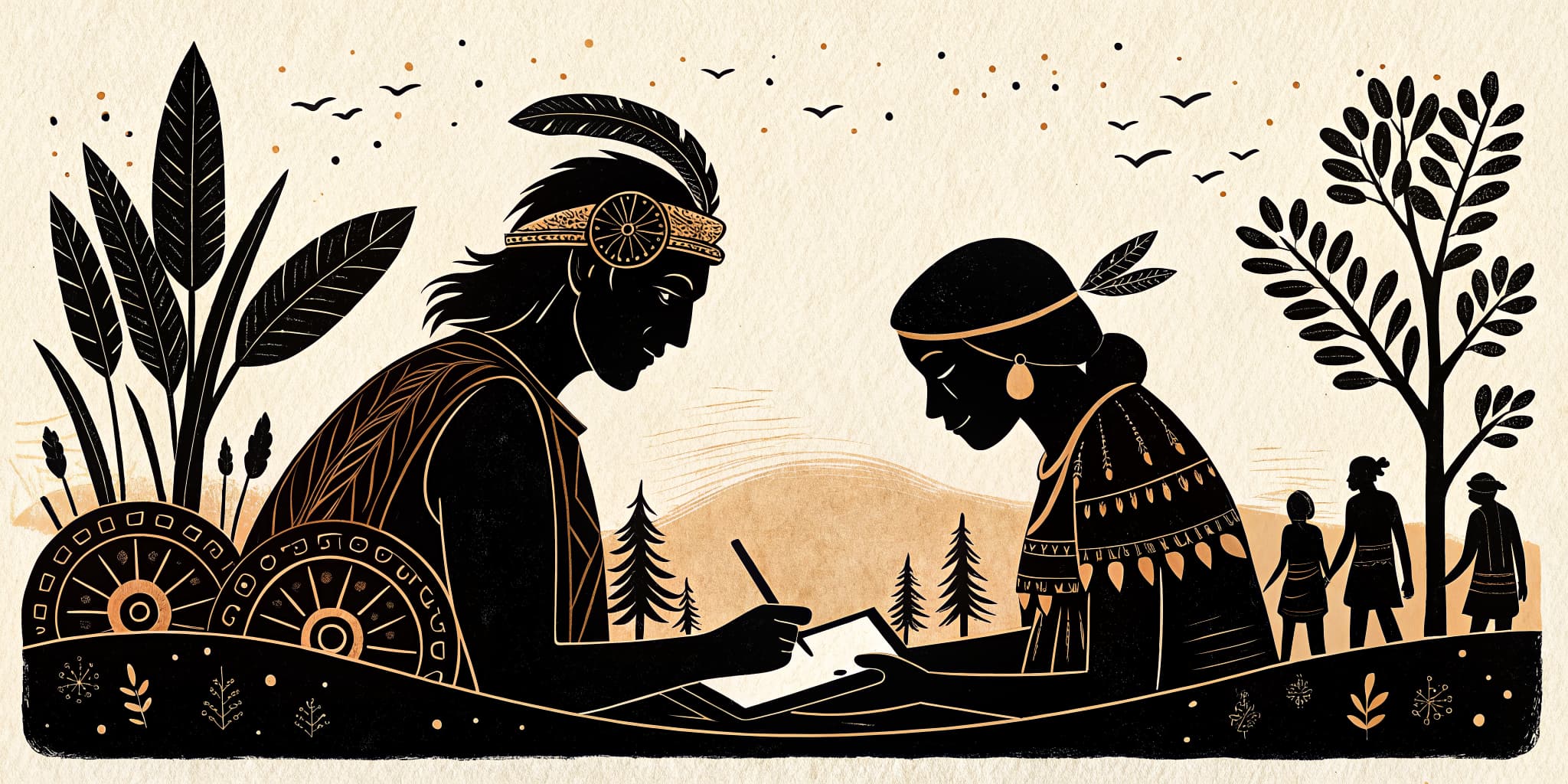
02First Nations & Europeans
What happened when two worlds met? Students examine the early interactions between First Nations peoples and European explorers and settlers.
Students will investigate the initial encounters between European explorers (e.g., Cartier, Cabot) and First Nations peoples, analyzing their motivations and immediate impacts.
Students will examine the economic structure of the fur trade, identifying key players (First Nations, coureurs de bois, European companies) and the goods exchanged.
Students will analyze specific early treaties, comparing the First Nations' understanding of shared land and resources with European concepts of land ownership.
Students will investigate the devastating impact of European diseases on First Nations populations and the resulting demographic changes.
Students will explore how European settlement led to the displacement of First Nations and the disruption of their traditional economies and social structures.
Students will analyze primary source documents (e.g., journals, oral histories) from both First Nations and European perspectives to understand differing views of contact.
Students will investigate the historical origins of the Métis people, their unique culture, and their role as intermediaries in the fur trade.
Students will explore the reasons for and challenges of early European settlements in North America, such as Port Royal or Quebec City.
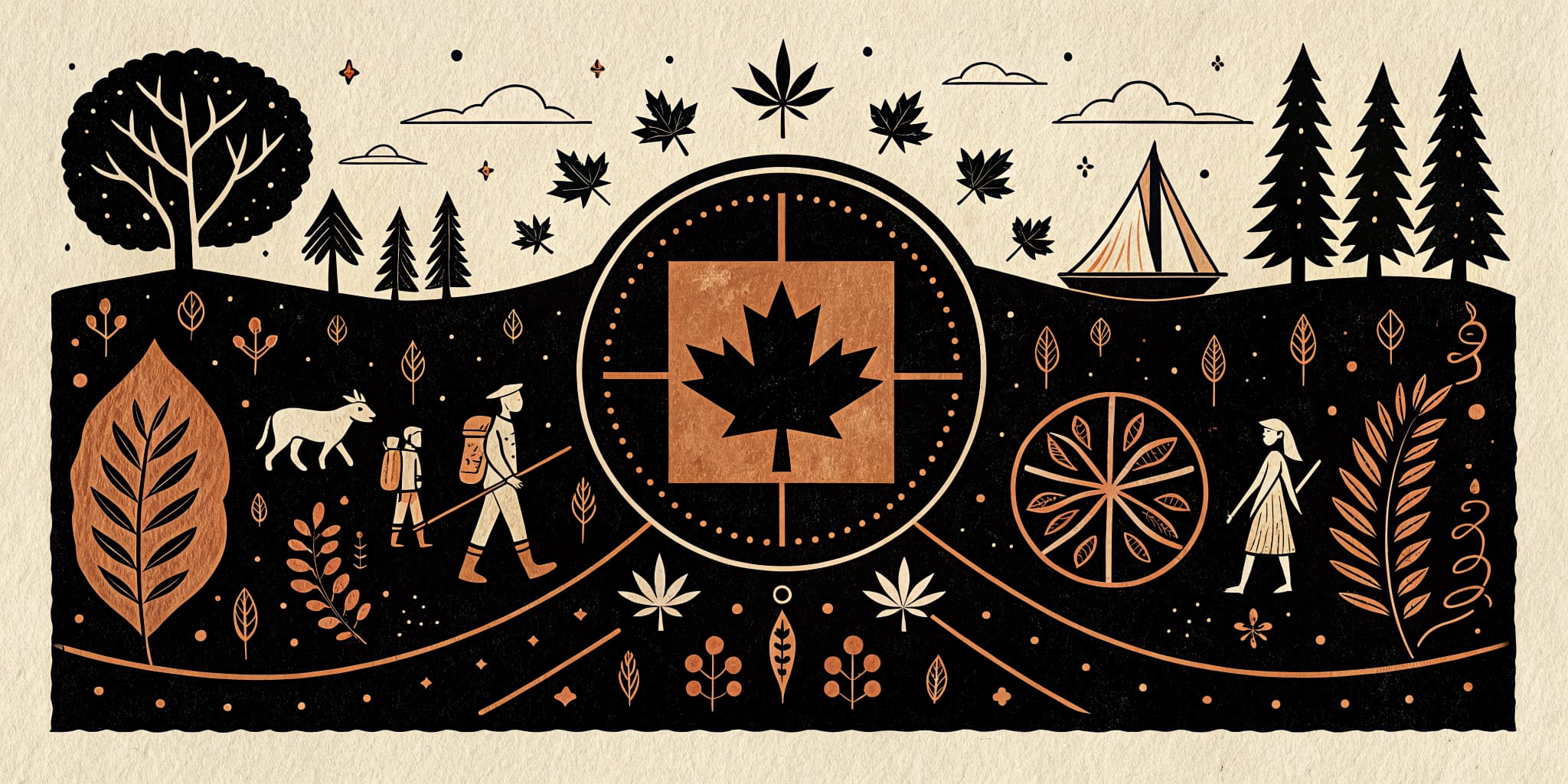
03French-English Relations
How did French and English settlers shape Canada? Students explore the early rivalries, alliances, and cultural exchanges.
Students will explore the daily life, social structure, and key institutions (e.g., seigneurial system, church) of New France.
Students will investigate the contributions of key figures like Samuel de Champlain and Jean Talon in the establishment and growth of New France.
Students will examine the growth of British colonies in North America, their economic drivers, and their distinct governance structures compared to New France.
Students will explore the escalating tensions and conflicts between Britain and France for control of North America, including the role of First Nations alliances.
Students will analyze the Battle of the Plains of Abraham from multiple perspectives, including French, British, and First Nations viewpoints.
Students will examine the provisions of the Quebec Act of 1774 and its significance in preserving French language, religion, and civil law.
Students will explore how the coexistence of French and English languages and cultures has shaped Canadian identity and continues to influence society.
Students will investigate the history of the Acadians, focusing on their unique culture, the Grand Derangement, and their enduring resilience.
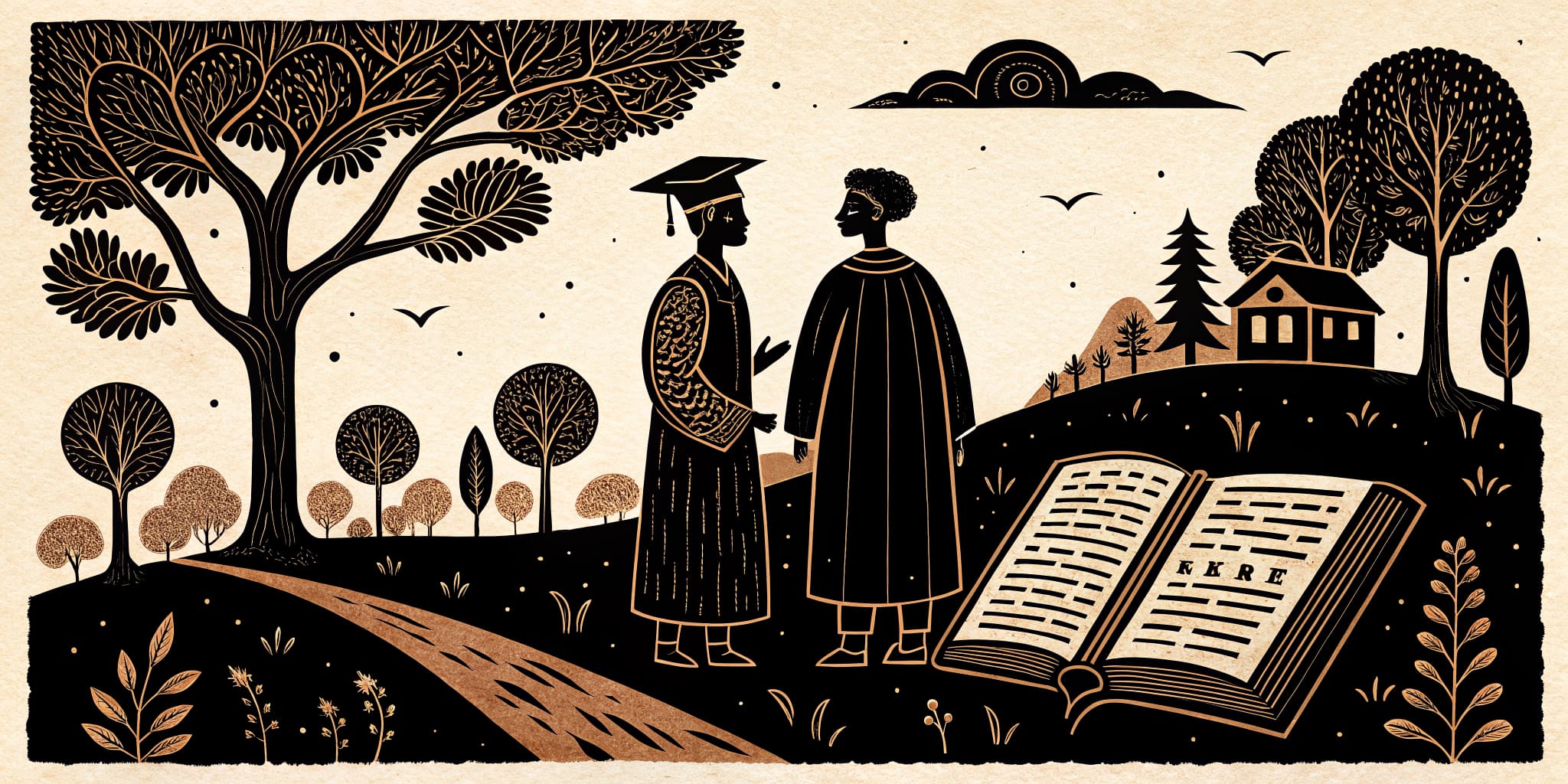
04Responsible Citizenship
What does it mean to be a responsible citizen? Students explore rights and responsibilities and how citizens can make a difference.
Students will identify fundamental rights and freedoms guaranteed to Canadians, such as freedom of speech and religion, and discuss their importance.
Students will explore various civic responsibilities, such as voting, obeying laws, and community involvement, and their role in a healthy democracy.
Students will examine scenarios involving fairness and injustice, discussing how individuals and groups can advocate for equitable treatment.
Students will research and propose solutions to a local community issue, demonstrating how citizens can initiate positive change.
Students will be introduced to the concept of reconciliation with Indigenous peoples, exploring its meaning and importance in Canadian society.
Students will explore selected Calls to Action from the Truth and Reconciliation Commission, focusing on those relevant to education and youth.
Students will explore the concept of global citizenship, understanding their role and responsibilities in a interconnected world.
Students will learn to critically evaluate information from various media sources to make informed decisions as citizens.
05Government Levels & Functions
How is Canada governed? Students explore the three levels of government and the roles of officials in the democratic process.
Students will identify the key responsibilities of the federal government, such as national defense, currency, and Indigenous affairs.
Students will explore the responsibilities of provincial/territorial governments, including education, healthcare, and natural resources.
Students will identify the services provided by their local municipal government and the roles of local elected officials.
Students will examine the symbolic and constitutional roles of the British Monarch and the Governor General in Canada's parliamentary democracy.
Students will trace the process of how a bill is introduced, debated, and passed into law in the Canadian parliamentary system.
Students will learn about the mechanics of Canadian elections, including political parties, voting, and the secret ballot.
Students will explore the concept of Indigenous self-determination and how First Nations, Métis, and Inuit communities are working towards self-governance.
Students will investigate the function of political parties in a democracy, including their platforms and how they represent different viewpoints.

06Canada's Physical & Political Regions
Students explore the vast geography of Canada, its provinces, territories, and the diverse physical regions that define the landscape.
Students will identify and locate all ten provinces and three territories of Canada, along with their capital cities, on a map.
Students will investigate the geological formation and natural resources of the Canadian Shield, and its impact on human settlement and industry.
Students will identify and describe Canada's major landform regions (e.g., Cordillera, Interior Plains, Appalachian Mountains) and their unique features.
Students will connect Canada's diverse natural resources to the economic activities and industries prevalent in different regions.
Students will explore the importance of sustainable practices in managing Canada's natural resources for future generations.
Students will identify and describe the major climate zones across Canada and the factors that influence them.
Students will investigate how people in different Canadian regions have adapted their lifestyles, housing, and activities to suit their local climate.
Students will identify Canada's major urban centers and analyze the factors that led to their growth and development.