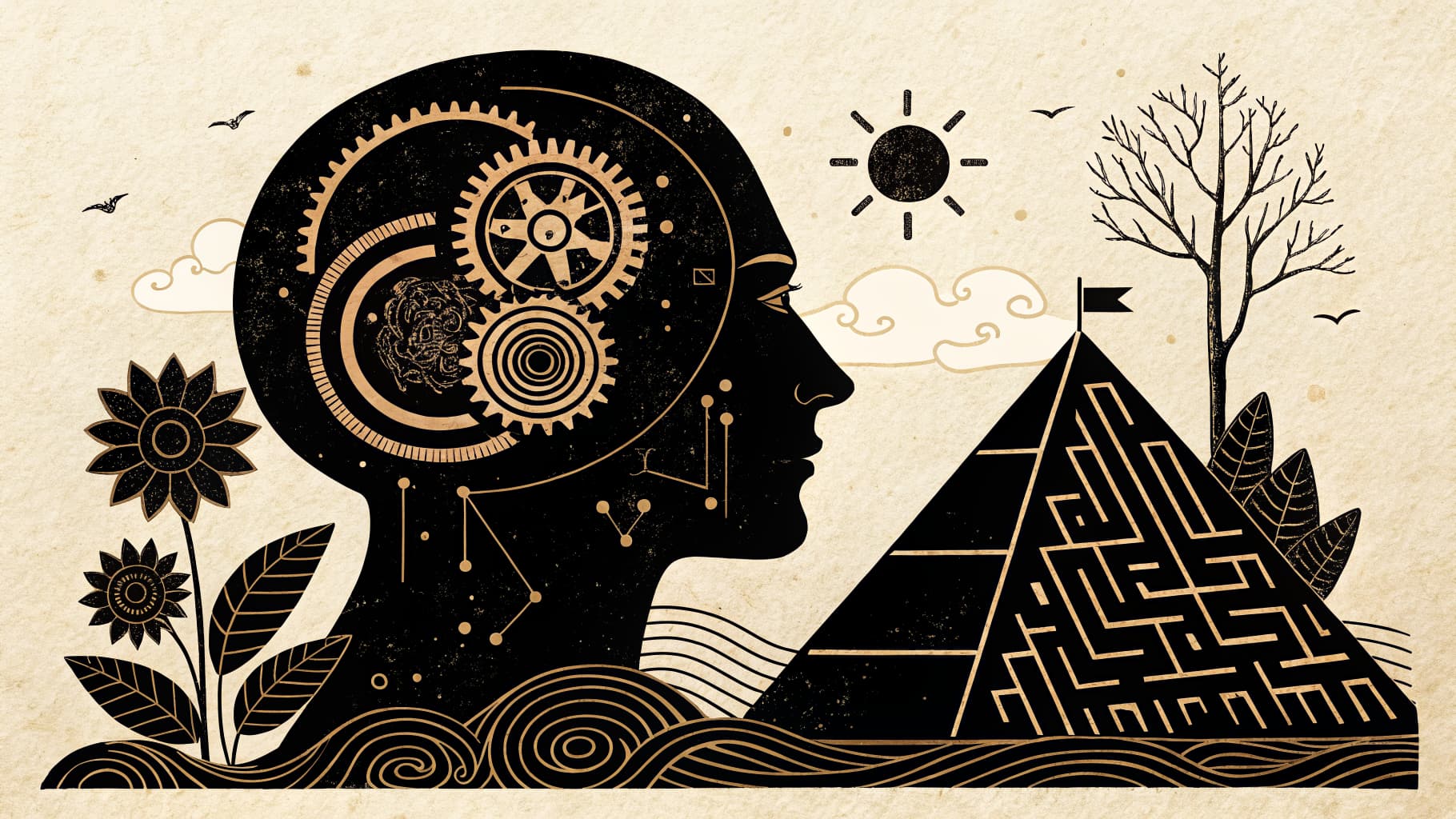
Brain Plasticity and Damage
An investigation into how the brain changes in response to experience and the psychological impacts of acquired brain injury.
TL;DR:This topic explores the dynamic nature of the brain, challenging the old belief that the adult brain is static. Students investigate neuroplasticity, the brain's ability to reorganise its structure and function in response to experience, learning, or injury. This includes developmental plasticity in infants and adaptive plasticity in adults. The study of brain damage, including acquired brain injuries (ABI), provides a window into how specific regions of the brain govern different behaviours and what happens when those systems are disrupted.
About This Topic
This topic explores the dynamic nature of the brain, challenging the old belief that the adult brain is static. Students investigate neuroplasticity, the brain's ability to reorganise its structure and function in response to experience, learning, or injury. This includes developmental plasticity in infants and adaptive plasticity in adults. The study of brain damage, including acquired brain injuries (ABI), provides a window into how specific regions of the brain govern different behaviours and what happens when those systems are disrupted.
In the Australian context, understanding ABI is crucial, as it affects many individuals through accidents or health conditions. Students examine famous case studies, such as Phineas Gage, to see the link between brain structure and personality. This topic is deeply human and benefits from a narrative-driven approach. Students grasp the complexities of recovery and adaptation much better through role-play and case study analysis than through rote learning of brain anatomy.
Key Questions
- What is neuroplasticity and when does it occur?
- How does acquired brain injury affect behaviour and cognition?
- What can case studies of brain damage teach us about brain function?
Watch Out for These Misconceptions
Common MisconceptionBrain damage is always permanent and cannot be overcome.
What to Teach Instead
Students often overlook the brain's remarkable ability to 'rewire' itself. Using success stories of rehabilitation helps demonstrate that while neurons might not regrow, other areas can often take over lost functions.
Common MisconceptionWe only use 10% of our brains.
What to Teach Instead
This is a persistent myth. Teachers can use brain imaging data in a gallery walk to show that almost every part of the brain has a known function and is active even during sleep.
Active Learning Ideas
See all activities→Gallery Walk
Famous Case Studies in Neuropsychology
Place posters around the room detailing different cases of brain damage (e.g., H.M., Phineas Gage, local Australian examples of stroke recovery). Students move in pairs to identify the damaged area and the resulting behavioural changes.
Simulation Game
The Plastic Brain Challenge
Students attempt a simple motor task (like mirror writing or drawing with their non-dominant hand). They discuss the frustration and the eventual improvement, linking their experience to the concept of neural pathway strengthening.
Role Play
The Rehabilitation Team
Students take on roles such as an occupational therapist, a neurologist, and a family member. They must collaborate to create a 'recovery plan' for a patient with a specific brain injury, focusing on how to use adaptive plasticity.
Frequently Asked Questions
What is the difference between developmental and adaptive plasticity?
How does an acquired brain injury (ABI) affect behaviour?
What can we learn from case studies of brain damage?
How can active learning help students understand neuroplasticity?
More in Introduction to Psychology and Brain Function
The Origins and Scope of Psychology
An exploration of the historical development of psychology and the various contemporary perspectives used to understand human behaviour.
8 methodologies
Structure and Function of the Nervous System
An examination of the central and peripheral nervous systems, focusing on the role of neurons and neurotransmitters in transmitting information.
8 methodologies