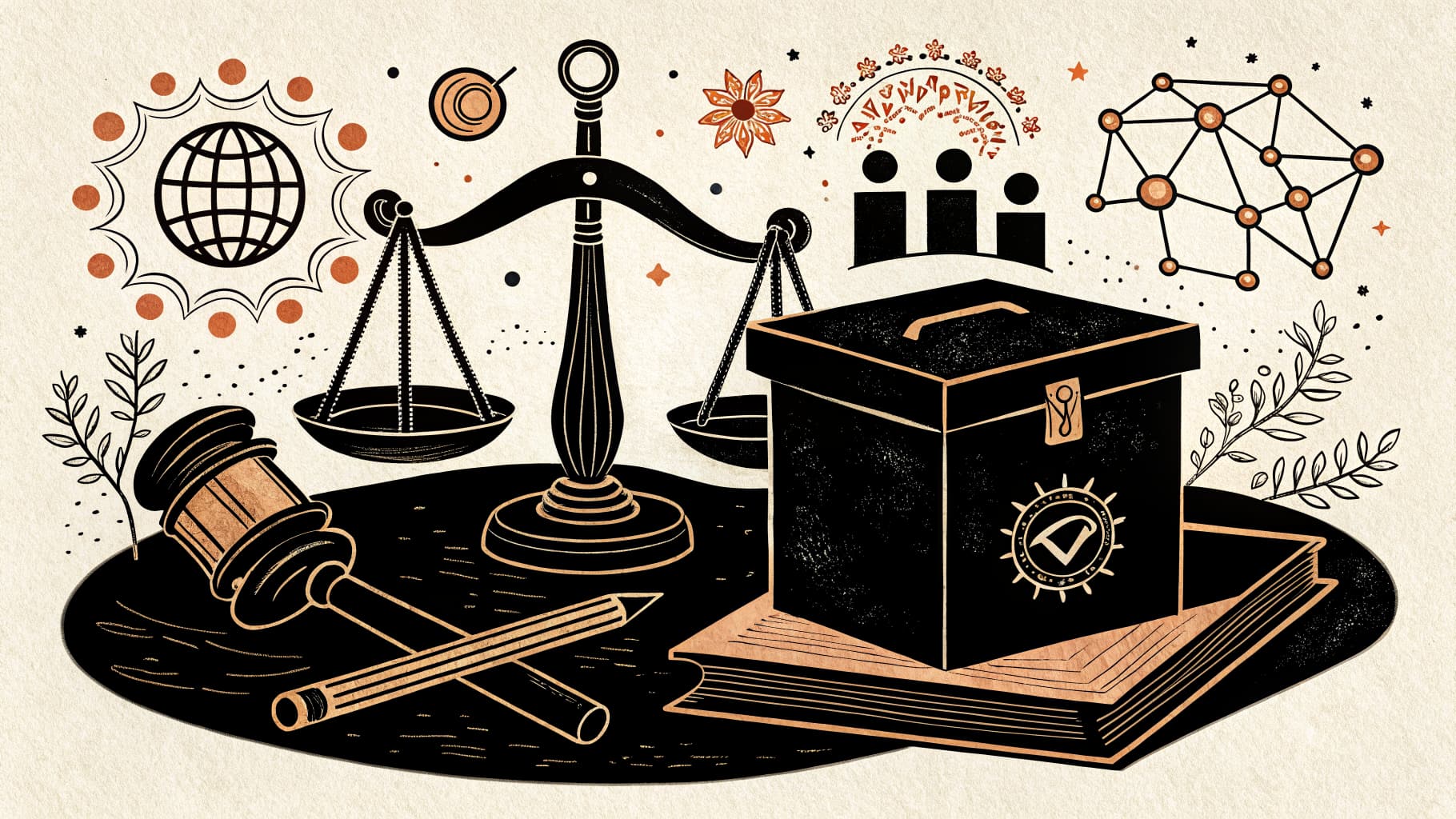
Active Citizenship: Getting Involved
Exploring ways students can be active citizens in their school and local community.
TL;DR:Active learning helps students see themselves as capable change-makers right now, not just in the future. By engaging in hands-on projects like clean-ups or meetings, they connect abstract ideas about citizenship to real, measurable actions in their school community.
About This Topic
Active citizenship means students take practical steps to improve their school and local community. In Year 3, they learn actions such as organising litter clean-ups, suggesting playground changes through class meetings, or writing letters to school leaders. These activities show how individual efforts contribute to shared spaces and model democratic participation, where citizens voice concerns and propose solutions.
This topic fits the Australian Curriculum's Civics and Citizenship strand, aligning with AC9HASS3S01 for investigating civic roles and AC9HASS3S02 for participating in discussions. Students design plans for school issues, justify why involvement matters in democracy, and evaluate methods like petitions or surveys to express opinions. It builds skills in collaboration, decision-making, and respect for diverse views.
Active learning suits this topic well. Role-plays of community meetings or real school projects let students experience civic processes firsthand. They gain confidence in speaking up, see immediate impacts, and connect abstract ideas to their lives, fostering lifelong civic habits.
Key Questions
- Design a plan for students to address a school issue.
- Justify why active participation is important in a democracy.
- Evaluate different methods for citizens to express their opinions to leaders.
Learning Objectives
- Design a simple plan to address a specific issue within the school community.
- Explain the importance of active participation for the functioning of a democracy.
- Compare at least two different methods citizens can use to express opinions to elected leaders.
- Evaluate the effectiveness of a chosen method for citizen expression in a given scenario.
Before You Start
Why: Understanding the purpose and origin of rules helps students grasp the concept of civic responsibility and why people follow or change them.
Why: Familiarity with roles and responsibilities within the school environment provides a foundation for understanding community roles and active participation.
Key Vocabulary
| Active Citizen | A person who participates in their community or country by taking action to make it better. |
| Community Issue | A problem or concern that affects the people living in a particular area, such as a school or neighborhood. |
| Petition | A formal written request signed by many people, asking for a change or action from leaders. |
| Proposal | A plan or suggestion put forward for consideration or discussion by others. |
| Civic Duty | The responsibilities or actions of citizens in relation to their community or government. |
Watch Out for These Misconceptions
Common MisconceptionOnly adults can be active citizens.
What to Teach Instead
Students often think citizenship starts at voting age. Show through class projects that children contribute via school councils or community events. Role-plays help them practice and see their ideas matter, shifting views to include all ages.
Common MisconceptionExpressing opinions means complaining.
What to Teach Instead
Many see participation as negative feedback only. Activities like positive suggestion boxes reveal constructive methods. Group planning sessions teach balancing concerns with solutions, building positive civic habits.
Common MisconceptionLeaders ignore children's ideas.
What to Teach Instead
Children may believe adults dismiss them. Real interactions, like presenting to the principal, demonstrate listening. Peer evaluations of methods reinforce that respectful expression gains attention.
Active Learning Ideas
See all activities→Stations Rotation
Civic Action Stations
Set up stations for petition writing (draft school improvement ideas), letter composing (to principal on a class vote), survey design (poll peers on playground needs), and role-play meeting (present ideas to 'council'). Groups rotate every 10 minutes, adding to a class action board.
Think-Pair-Share
Pairs: Community Helper Interviews
Pair students to prepare five questions about local helpers' roles (e.g., crossing supervisor). Visit school areas to interview, record responses, then share in whole class to identify participation ways. Follow with pair brainstorming of one student action.
Think-Pair-Share
Whole Class: School Issue Vote
Brainstorm three school issues as a class. Vote using tally charts, discuss results, then form committees to plan one solution. Present plans to 'principal' (teacher) with justifications.
Real-World Connections
- Students can learn about local council members who are elected officials responsible for making decisions about parks, libraries, and roads in their town. They can see how citizens write letters or attend meetings to share their ideas about local projects.
- The school principal and student representative council work together to solve school problems, similar to how mayors and city councils address issues for a whole city. Students can observe or participate in these decision-making processes.
- Community groups often organize events like park clean-ups or fundraising drives. These activities show how ordinary people can work together to improve their local environment and support important causes.
Assessment Ideas
Present students with a scenario, such as 'The school playground equipment is old and needs repair.' Ask them to write down one action they could take as an active citizen to help fix this issue and one reason why their action is important.
Facilitate a class discussion using the prompt: 'Imagine you want the school to have a new book for the library. What are two different ways you could tell the principal your idea? Which way do you think would be most effective and why?'
On an index card, have students draw a symbol representing active citizenship. Below the symbol, they should write one sentence explaining what it means to be an active citizen in their school.
Frequently Asked Questions
How to teach active citizenship in Year 3 Australia?
Why is active participation important in democracy for kids?
How can active learning help students understand active citizenship?
What methods can Year 3 students use to express opinions?
More in Democracy in Action
Making Decisions Together: Voting
Learning about the secret ballot and how voting ensures everyone has a say.
8 methodologies
Who Represents Us? Local Leaders
Identifying the roles of local representatives and how they speak for their community.
8 methodologies
Majority Rule and Protecting Minorities
Balancing the will of the majority with the protection of the rights of smaller groups.
8 methodologies
Symbols of Australian Democracy
Exploring national symbols and their connection to democratic values.
8 methodologies
The Three Levels of Government
An introduction to local, state, and federal governments and their basic responsibilities.
8 methodologies
Elections: How Leaders Are Chosen
Understanding the basic process of an election, from candidates to counting votes.
8 methodologies