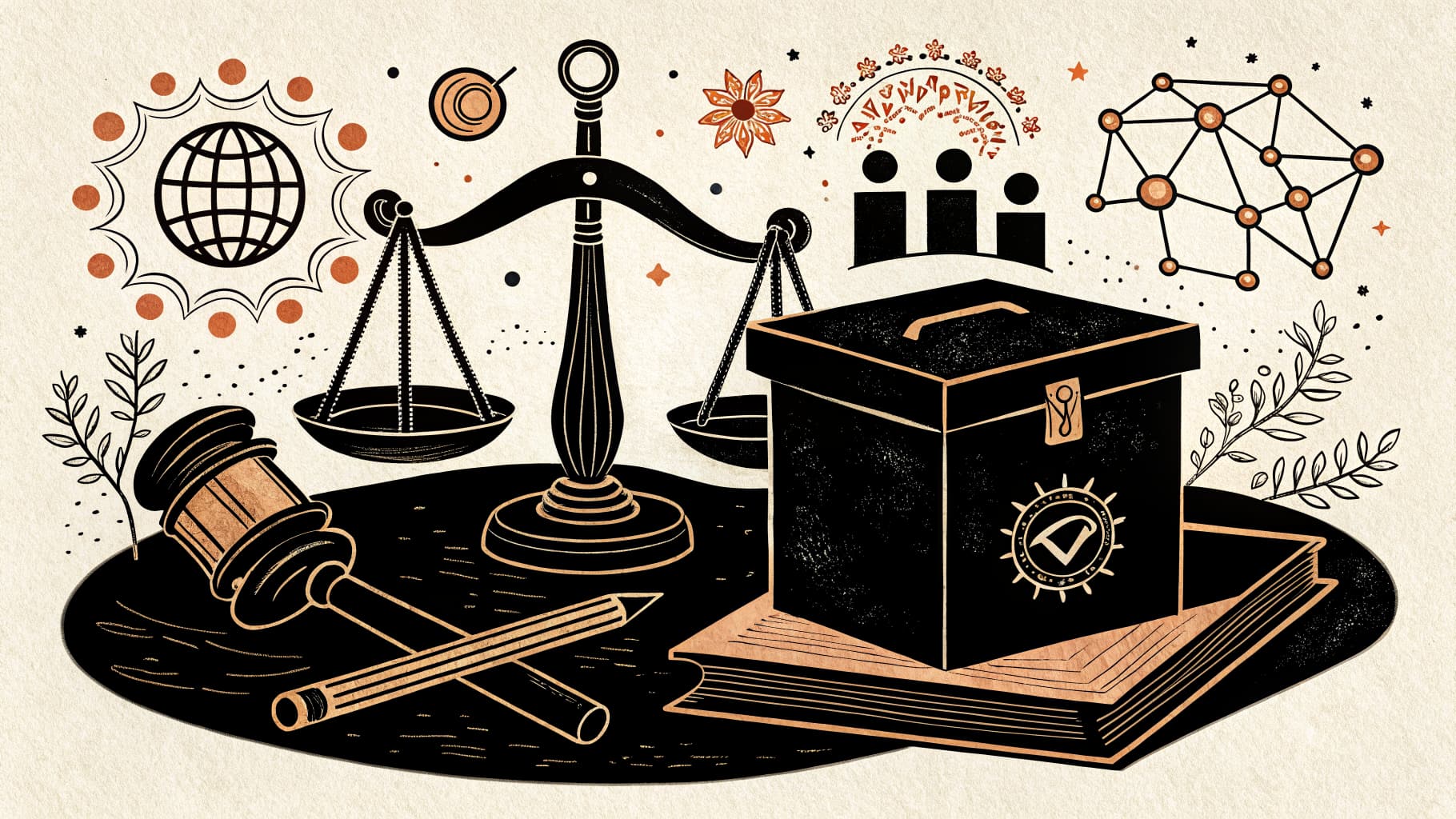
The Role of the Opposition
Investigating the functions of the Opposition in holding the government accountable and presenting alternative policies.
TL;DR:Active learning works for this topic because students need to experience power dynamics and scrutiny firsthand, not just study them. Simulating parliamentary roles with real texts and debates builds empathy for both government and opposition perspectives.
About This Topic
In the Australian Parliament, the Opposition acts as a key democratic safeguard by scrutinizing the government, proposing alternative policies, and representing diverse views. Year 10 students examine its constitutional role under parliamentary conventions, including Question Time, shadow portfolios, and committee participation. This aligns with AC9C10K05 and the legislative process unit, as students explain how these functions ensure accountability.
Students analyze Opposition strategies like media campaigns, amendments to bills, and public petitions to evaluate their impact on policy. Case studies from recent parliaments show how effective scrutiny can lead to government concessions or shifts in public debate. This builds analytical skills for assessing political influence in a Westminster system.
Active learning excels here because simulations recreate parliamentary dynamics, allowing students to practice questioning and defending positions. Group analysis of Hansard records uncovers debate tactics, while policy comparison tasks foster evaluation skills. These approaches make abstract roles tangible, boost engagement, and deepen understanding of democratic balance.
Key Questions
- Explain the constitutional role of the Opposition in Parliament.
- Analyze the strategies used by the Opposition to scrutinize government.
- Evaluate the effectiveness of the Opposition in influencing policy.
Learning Objectives
- Explain the constitutional basis and conventions that define the role of the Opposition in the Australian Parliament.
- Analyze specific strategies employed by the Opposition to scrutinize government policies and actions, such as Question Time and committee inquiries.
- Evaluate the effectiveness of Opposition tactics in influencing public opinion and government policy decisions.
- Compare the policy platforms of the government and the Opposition on a key contemporary issue.
Before You Start
Why: Students need a foundational understanding of how the Parliament is structured and its basic functions before examining the specific role of the Opposition within it.
Why: Understanding core democratic principles like accountability and representation is essential for grasping the Opposition's purpose in a parliamentary system.
Key Vocabulary
| Shadow Ministry | A group of senior opposition members of parliament, each responsible for scrutinizing a specific government minister and their portfolio. |
| Question Time | A scheduled period in parliament where opposition members can directly question government ministers on their responsibilities and government policies. |
| Scrutiny | The close and careful examination of government actions, policies, and legislation by the Opposition to ensure accountability and identify potential flaws. |
| Amendments | Formal proposals made by the Opposition to change or modify a bill being debated in parliament. |
| Grievance debate | A parliamentary session where members, including those from the Opposition, can raise issues affecting their constituents or express concerns about government actions. |
Watch Out for These Misconceptions
Common MisconceptionThe Opposition has equal power to the government and can block all bills.
What to Teach Instead
The Opposition cannot veto bills but delays and amends them through debate and committees. Role-plays reveal power limits, as students experience government majorities passing legislation despite strong arguments.
Common MisconceptionThe Opposition only criticizes and offers no constructive ideas.
What to Teach Instead
Opposition proposes full policy platforms via shadow ministers. Collaborative policy drafting activities show students how alternatives refine government plans, building appreciation for balanced critique.
Common MisconceptionMinor parties serve the same role as the Official Opposition.
What to Teach Instead
The Official Opposition is the largest non-government party with formal recognition and resources. Jigsaw expert groups clarify distinctions, helping students analyze crossbench influences separately.
Active Learning Ideas
See all activities→Role Play
Role-Play: Shadow Minister Scrutiny
Assign students as government ministers and Opposition shadow ministers. Provide a mock bill; Oppositions prepare 3 questions each, ministers respond. Groups switch roles after 10 minutes and debrief on effective tactics. Record key strategies on shared charts.
Jigsaw
Opposition Strategies
Divide strategies (Question Time, committees, media) among home groups for research using Parliament websites. Students regroup as experts to teach peers, then return to analyze a recent Hansard excerpt collaboratively. Create a class strategy toolkit.
Formal Debate
Policy Alternatives
Pairs draft an Opposition alternative to a government policy on an issue like climate action. Whole class votes after presentations, justifying choices. Evaluate effectiveness using rubric on scrutiny and appeal.
Real-World Connections
- Political journalists working for outlets like the ABC or The Sydney Morning Herald regularly report on Opposition press conferences and parliamentary debates, analyzing their effectiveness in holding the government accountable.
- Community advocacy groups, such as those focused on environmental protection or social welfare, often work with the Opposition to highlight policy failures and propose alternative solutions to government legislation.
Assessment Ideas
Pose the question: 'Imagine you are the Leader of the Opposition. Choose one current government policy and outline three specific strategies you would use to scrutinize it and propose an alternative.' Facilitate a class discussion where students share and justify their chosen strategies.
Provide students with a recent Hansard transcript excerpt from Question Time. Ask them to identify one question asked by an Opposition member and explain the specific government policy or action it aimed to scrutinize. Collect responses to gauge understanding of parliamentary questioning.
On an exit ticket, ask students to define 'Shadow Ministry' in their own words and name one specific portfolio (e.g., Health, Treasury) and the likely government minister it would scrutinize. This checks comprehension of key vocabulary and roles.
Frequently Asked Questions
What is the constitutional role of the Opposition in Australian Parliament?
How does the Opposition scrutinize government actions?
How effective is the Opposition at influencing policy?
How can active learning teach the role of the Opposition?
More in The Legislative Process
From Bill to Law: Stages of Legislation
Understanding the stages of the legislative process and the importance of parliamentary debate and scrutiny.
8 methodologies
The Role of Political Parties
Analyzing the function of political parties in shaping policy, representing interests, and forming government.
8 methodologies
Electoral Systems: Preferential Voting
Exploring Australia's preferential voting system, its impact on election outcomes, and the importance of voter participation.
8 methodologies
The Influence of Lobby Groups
Assessing how interest groups, lobbyists, and corporate entities influence the creation of public policy.
8 methodologies
The Role of the Media in Democracy
Analyzing the media's power to shape public opinion and hold the government to account.
8 methodologies
Public Opinion and Policy Making
Investigating how public opinion is measured, influenced, and its role in shaping government policy.
8 methodologies