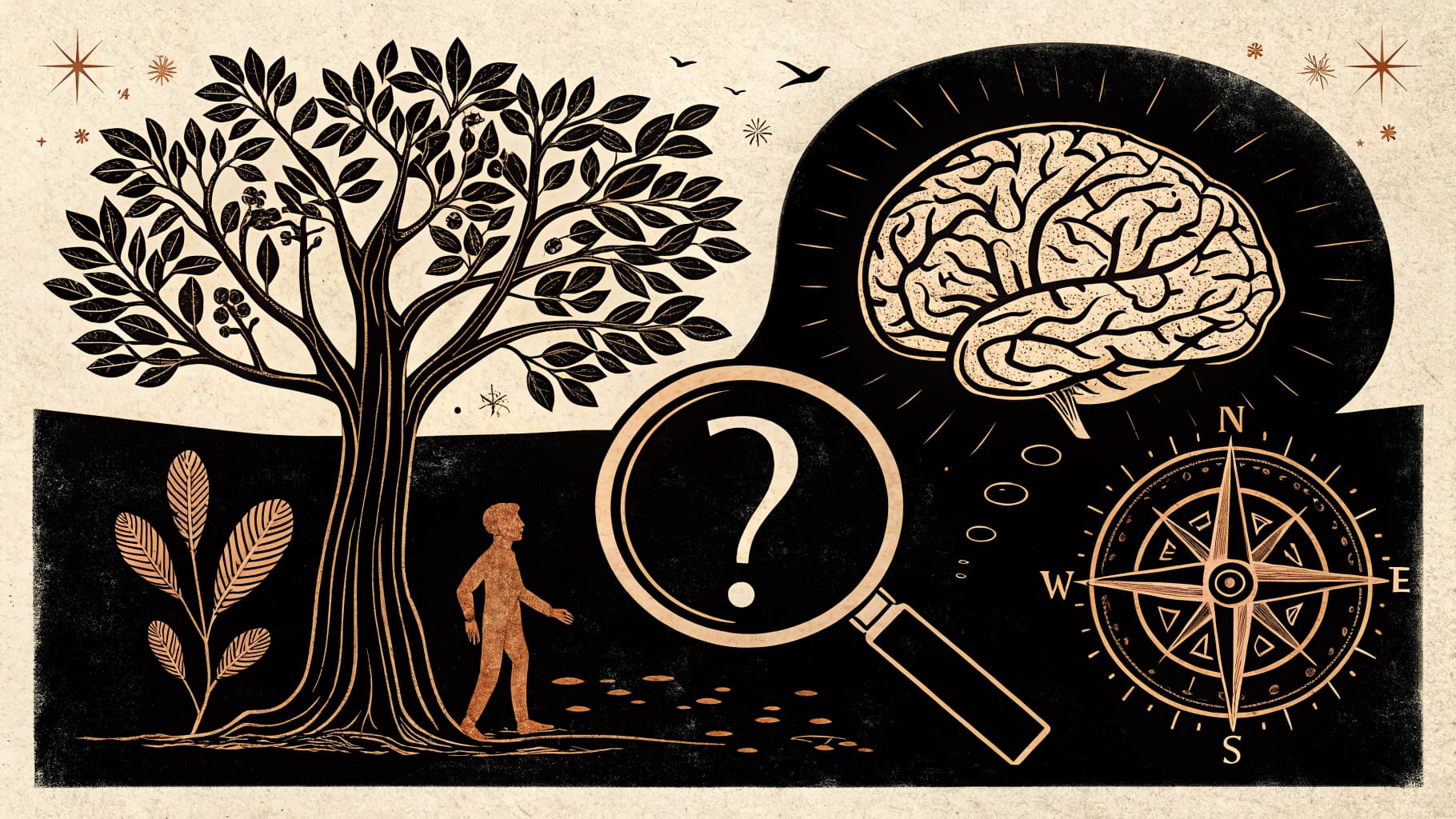
The Scientific Method and Falsification
Analyze the methodologies of the natural sciences, focusing on induction, deduction, and Popper's theory of falsification. Evaluate the objectivity of scientific paradigms.
TL;DR:The Scientific Method and Falsification explores the logic behind how we 'know' things in the natural sciences. Students move beyond the simplified 'observation-hypothesis-experiment' model to look at the philosophy of science. We focus on Karl Popper's falsificationism, the idea that science progresses by disproving theories rather than proving them, and Thomas Kuhn's paradigm shifts. This is a core component of the MOE KI Syllabus for Knowledge in the Natural Sciences, requiring students to evaluate the reliability and progress of scientific inquiry.
About This Topic
The Scientific Method and Falsification explores the logic behind how we 'know' things in the natural sciences. Students move beyond the simplified 'observation-hypothesis-experiment' model to look at the philosophy of science. We focus on Karl Popper's falsificationism, the idea that science progresses by disproving theories rather than proving them, and Thomas Kuhn's paradigm shifts. This is a core component of the MOE KI Syllabus for Knowledge in the Natural Sciences, requiring students to evaluate the reliability and progress of scientific inquiry.
In Singapore, where STEM education is highly valued, understanding the fallibility of science is a significant intellectual shift for students. They must learn to distinguish between science and pseudoscience using these frameworks. This topic comes alive when students can physically model the patterns of scientific discovery and attempt to falsify each other's 'theories' in a controlled environment.
Key Questions
- What distinguishes science from pseudoscience?
- How do scientific paradigms shift?
- Is scientific knowledge purely objective?
Watch Out for These Misconceptions
Common MisconceptionA scientific 'theory' is just a guess.
What to Teach Instead
In everyday language, 'theory' means a hunch, but in science, it is a well-substantiated explanation. Active modeling of the scientific process helps students see the rigorous testing and evidence required to elevate a hypothesis to a theory.
Common MisconceptionScience proves things to be 100% true.
What to Teach Instead
Students often view science as absolute. By engaging in falsification activities, they learn that science is 'provisional', it is the best explanation we have *so far* until it is disproven or refined.
Active Learning Ideas
See all activities→Inquiry Circle
The Black Box Challenge
Groups are given a sealed box with an object inside. They must propose theories about its contents and design tests to *falsify* their own theories, rather than prove them, documenting their process on a shared board.
Formal Debate
Popper vs. Kuhn
Divide the class into two teams representing Popper (evolutionary progress) and Kuhn (revolutionary shifts). They must argue which model better explains a major scientific discovery, like the transition from Newtonian to Einsteinian physics.
Think-Pair-Share
Science or Pseudoscience?
Provide students with a list of claims (e.g., astrology, climate change, homeopathy). Students use Popper's falsifiability criterion to categorize them individually, then pair up to defend their choices based on whether the claims can be disproven.
Frequently Asked Questions
What is Karl Popper's theory of falsification?
How can active learning help students understand scientific progress?
What is a paradigm shift according to Thomas Kuhn?
Why is the distinction between science and pseudoscience important in KI?
More in Knowledge in the Sciences
Human Behaviour
An inquiry into the epistemological foundations and methodologies used to study human behaviour in the social sciences.
8 methodologies
Mathematics and Formal Logic
Investigate the nature of mathematical knowledge and its relationship to the physical world. Discuss the certainty and a priori nature of formal logic.
8 methodologies