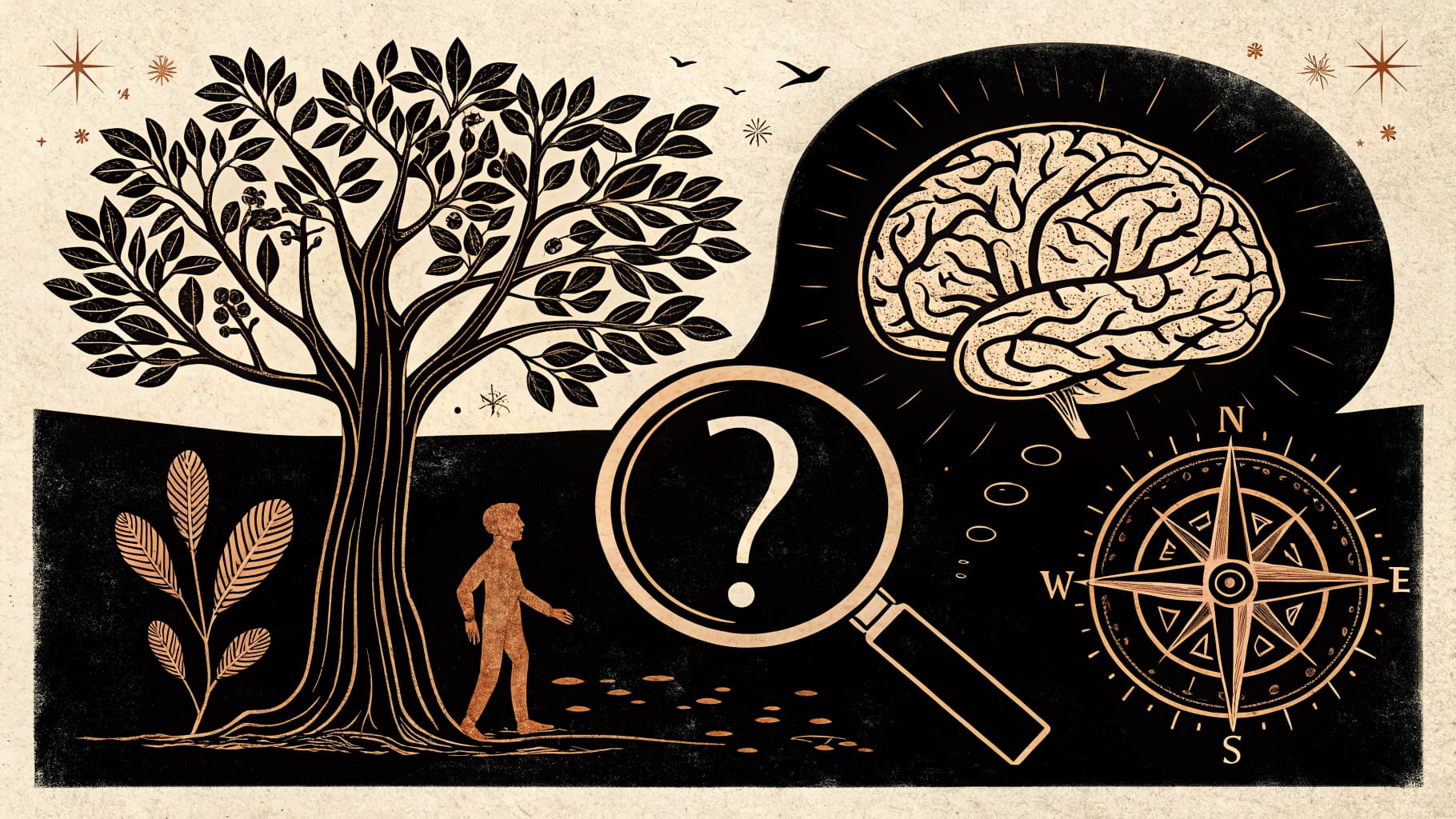
Human Behaviour
An inquiry into the epistemological foundations and methodologies used to study human behaviour in the social sciences.
TL;DR:Objectivity and Values in Science examines the 'human' side of scientific inquiry. While science is often portrayed as a purely objective pursuit of truth, this topic explores how societal values, ethical constraints, and funding sources influence what is researched and how results are interpreted. This is a critical area for SEAB KI AO2, as it asks students to evaluate the claim of scientific neutrality. In Singapore, where research is often aligned with national strategic goals (like water security or urban sustainability), this discussion is highly relevant.
About This Topic
Objectivity and Values in Science examines the 'human' side of scientific inquiry. While science is often portrayed as a purely objective pursuit of truth, this topic explores how societal values, ethical constraints, and funding sources influence what is researched and how results are interpreted. This is a critical area for SEAB KI AO2, as it asks students to evaluate the claim of scientific neutrality. In Singapore, where research is often aligned with national strategic goals (like water security or urban sustainability), this discussion is highly relevant.
Students will look at historical and contemporary examples where values have shaped science, from the eugenics movement to modern AI ethics. We also discuss the ethical responsibilities of scientists to society. Students grasp this concept faster through structured discussion and peer explanation, where they can debate the trade-offs between scientific freedom and social responsibility.
Key Questions
- Can human behavior be studied scientifically?
- What is the role of interpretation in social sciences?
- How do values influence social research?
Watch Out for These Misconceptions
Common MisconceptionIf science is influenced by values, it is 'fake' or 'bad' science.
What to Teach Instead
Students often think any value-influence equals bias. Through collaborative investigations, they learn that values (like honesty or simplicity) are actually *internal* to the scientific method, and societal values often determine the *direction* of research without necessarily ruining the data.
Common MisconceptionScientists are perfectly objective individuals.
What to Teach Instead
Students may idolize scientists as logic machines. Role-playing exercises help them see that scientists are human 'knowers' with their own biases, and that scientific objectivity comes from the *community* and peer-review process, not just the individual.
Active Learning Ideas
See all activities→Mock Trial
The Ethics of Funding
Set up a trial where a scientist is 'accused' of bias because their research on sugar was funded by a soda company. Students play the roles of lawyers, witnesses, and jury to debate if the funding invalidates the scientific findings.
Stations Rotation
Value-Laden Science
Create stations with different case studies: CRISPR gene editing, climate change data, and pharmaceutical trials. At each station, groups must identify the 'hidden' values or societal pressures influencing the scientific process.
Think-Pair-Share
The Neutrality Myth
Students read a short prompt about whether a scientist should develop a weapon. They reflect individually on whether 'pure' science can be separated from its application, then share their views with a partner to find common ground.
Frequently Asked Questions
Can science ever be completely value-free?
How can active learning help students understand ethics in science?
What is the 'internal' vs. 'external' value distinction in science?
Why does funding matter in scientific inquiry?
More in Knowledge in the Sciences
The Scientific Method and Falsification
Analyze the methodologies of the natural sciences, focusing on induction, deduction, and Popper's theory of falsification. Evaluate the objectivity of scientific paradigms.
8 methodologies
Mathematics and Formal Logic
Investigate the nature of mathematical knowledge and its relationship to the physical world. Discuss the certainty and a priori nature of formal logic.
8 methodologies