Language and Knowledge
Explore how language shapes, limits, and communicates knowledge. Discuss the problem of meaning and interpretation in different cultural and academic contexts.
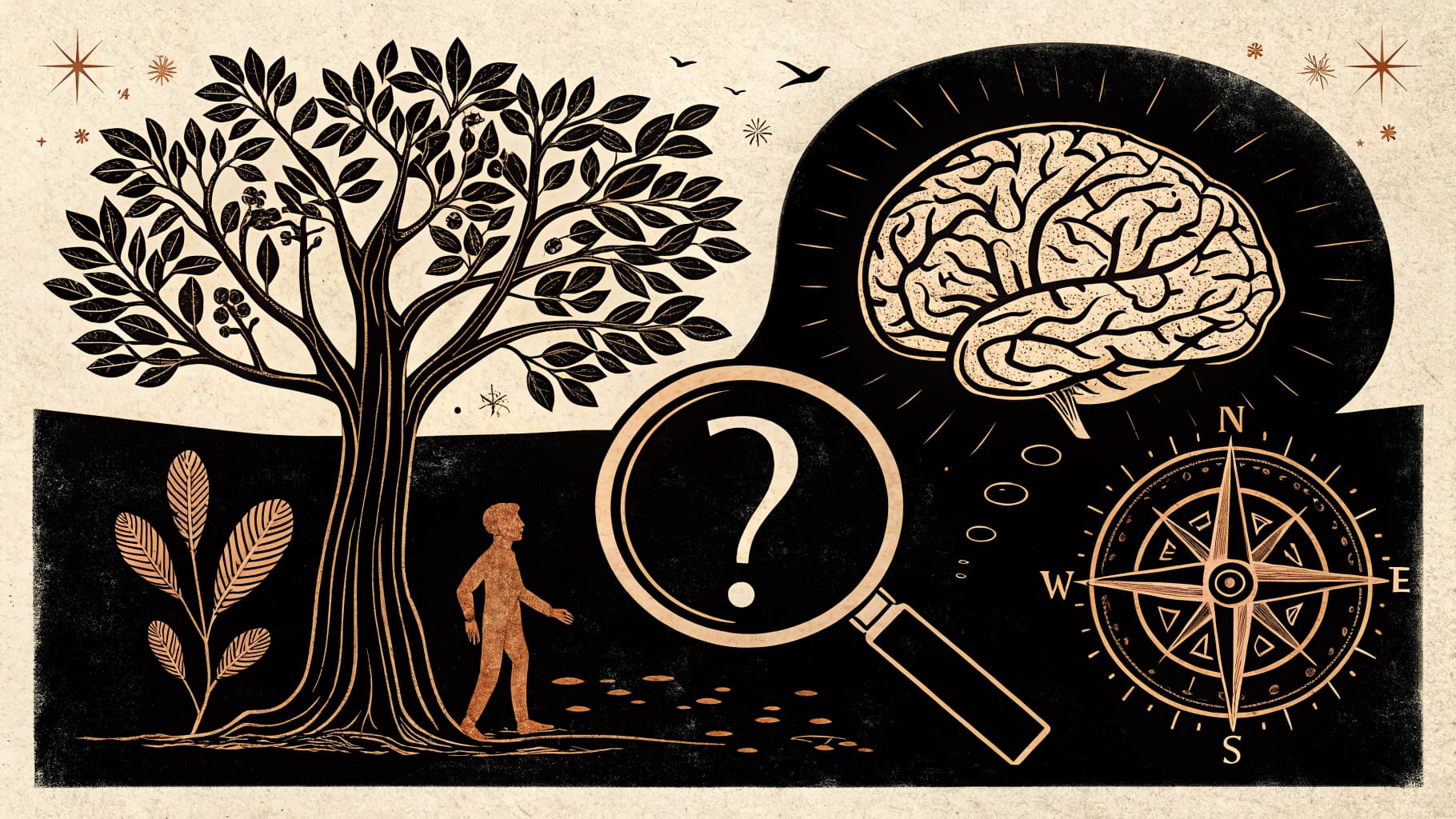
TL;DR:The Role of the Knower shifts the focus from the 'what' of knowledge to the 'who.' This topic examines how an individual's identity, including their culture, language, and cognitive biases, influences the way they perceive and construct reality. In a multi-racial and multi-cultural society like Singapore, this is a vital area of study. Students reflect on how their own upbringing and the four-language policy might shape their worldview differently from someone in a different context. This aligns with SEAB KI AO1 and AO3, emphasizing the construction and communication of knowledge.
About This Topic
The Role of the Knower shifts the focus from the 'what' of knowledge to the 'who.' This topic examines how an individual's identity, including their culture, language, and cognitive biases, influences the way they perceive and construct reality. In a multi-racial and multi-cultural society like Singapore, this is a vital area of study. Students reflect on how their own upbringing and the four-language policy might shape their worldview differently from someone in a different context. This aligns with SEAB KI AO1 and AO3, emphasizing the construction and communication of knowledge.
The tension between the subjective knower and the goal of objective reality is a central theme. We explore whether a knower can ever truly step outside their own 'conceptual scheme.' This topic particularly benefits from hands-on, student-centered approaches because it requires deep personal reflection and the sharing of diverse perspectives to see the 'knower' in action.
Key Questions
- Does language determine how we think?
- How is meaning constructed and shared?
- Can knowledge exist without language?
Watch Out for These Misconceptions
Common MisconceptionObjectivity means having no perspective at all.
What to Teach Instead
Students often think being objective means being a 'blank slate.' Peer explanation helps them realize that objectivity is often about acknowledging one's perspective and using rigorous methods to mitigate its influence.
Common MisconceptionIf knowledge is shaped by the knower, then all knowledge is just opinion.
What to Teach Instead
This leads to radical relativism. Collaborative investigations help students see that while the knower influences the process, there are still external standards and shared frameworks that prevent knowledge from being purely subjective.
Active Learning Ideas
See all activities→Think-Pair-Share
The Language Lens
Students are given words from different languages that have no direct English translation (e.g., 'gotong royong'). They discuss in pairs how these words shape the way speakers of those languages think about community and responsibility.
Simulation Game
The Bias Blindspot
Students participate in a short decision-making game where they are unknowingly primed with certain biases. Afterward, they analyze their choices in small groups to see how their 'knower' profile influenced the outcome.
Gallery Walk
Cultural Perspectives on History
Display different accounts of the same historical event (e.g., the 1964 riots or the Japanese Occupation) from various ethnic or national perspectives. Students move around to identify how the background of the 'knower' influenced the narrative.
Frequently Asked Questions
How does language influence the way we know things?
What are the best hands-on strategies for teaching the role of the knower?
What is a cognitive bias in the context of KI?
Can we ever be truly objective knowers?
More in The Nature and Construction of Knowledge
Theories of Truth and Justification
Examine the correspondence, coherence, and pragmatic theories of truth. Evaluate what constitutes adequate justification for a knowledge claim in different contexts.
8 methodologies
Perception and Cognition
Investigate the role of sensory perception and cognitive processes in acquiring knowledge. Analyze the limitations and biases inherent in human observation.
8 methodologies