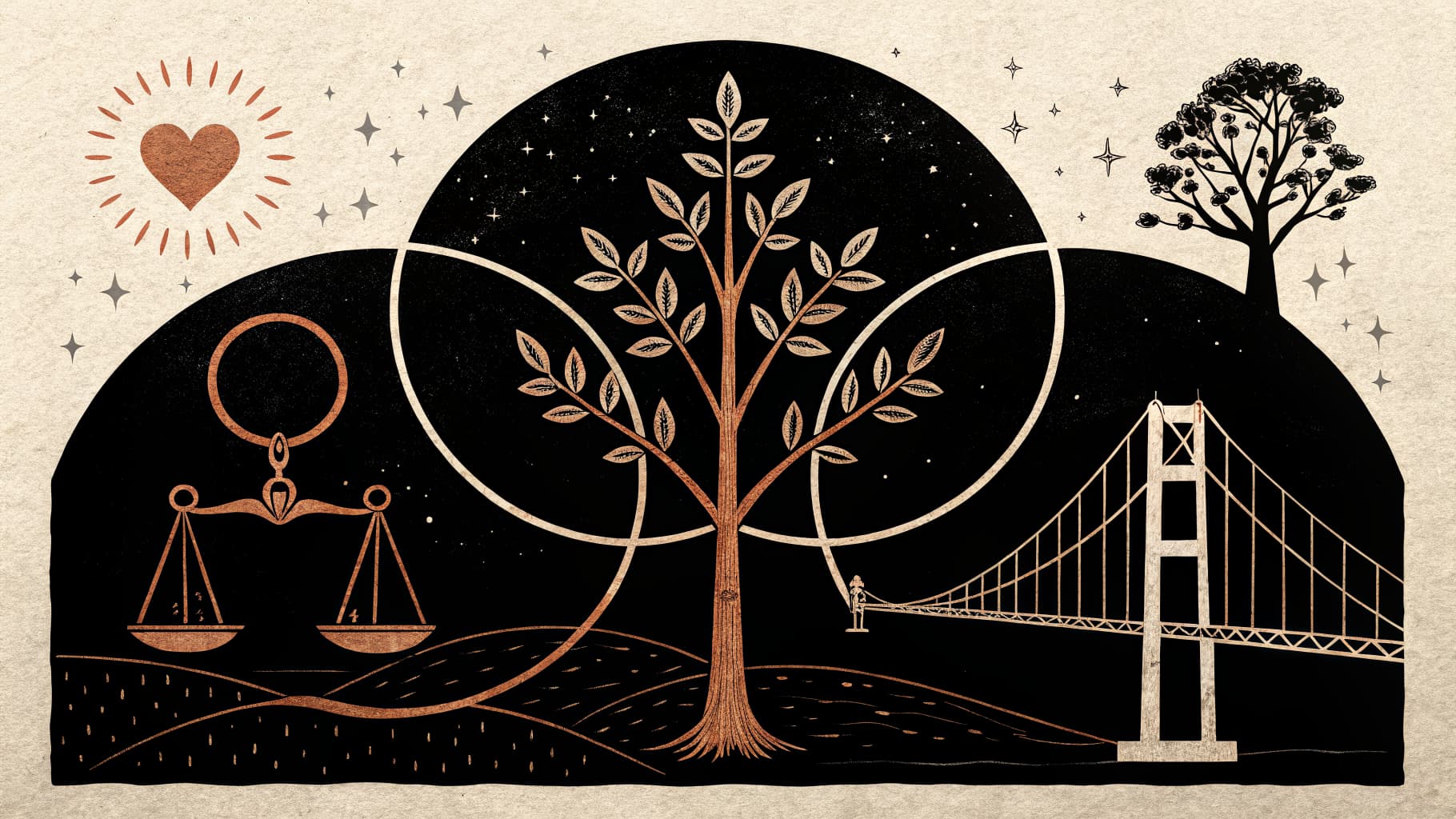
Consensus Building and Compromise
Learning strategies for reaching agreements in a diverse society with competing interests, emphasizing negotiation and mutual respect.
TL;DR:Active learning builds consensus and compromise skills by giving students immediate, real-world practice with conflict resolution. When students role-play playground conflicts or plan class trips, they move beyond abstract ideas to tangible problem-solving, deepening engagement and retention of these civic skills.
About This Topic
Consensus building and compromise teach Primary 6 students practical strategies for reaching agreements amid diverse opinions and competing interests. They practice active listening, identifying common ground, and proposing solutions that respect all voices. In Singapore's multicultural context, these skills promote harmonious interactions and prepare students for real-world civic engagement.
This topic aligns with the Leadership and Moral Agency unit by addressing MOE standards in Interpersonal Skills and Decision Making. Students analyze benefits of compromise, such as group cohesion and faster resolutions, and drawbacks like potential inequity for minorities. They evaluate scenarios where consensus falls short and design facilitation strategies, building critical evaluation and leadership abilities.
Active learning suits this topic well because role-plays and collaborative negotiations let students experience tension, test techniques, and reflect on outcomes in real time. This hands-on practice deepens empathy, reveals negotiation pitfalls, and makes abstract concepts like equity tangible through peer interactions.
Key Questions
- Analyze the benefits and drawbacks of compromise in resolving conflicts.
- Evaluate scenarios where consensus might not be the most equitable outcome.
- Design a strategy for facilitating consensus in a group with diverse opinions.
Learning Objectives
- Analyze the advantages and disadvantages of compromise in resolving disagreements within a group.
- Evaluate scenarios to determine when consensus might lead to unfair outcomes for certain individuals or groups.
- Design a step-by-step strategy for facilitating consensus in a hypothetical group with conflicting viewpoints.
- Compare the effectiveness of different negotiation tactics in reaching a mutually agreeable solution.
- Explain the importance of active listening and empathy in the consensus-building process.
Before You Start
Why: Students need to be able to recognize that others may have different viewpoints before they can learn to negotiate or build consensus.
Why: Effective listening and clear expression of ideas are foundational for any discussion or negotiation.
Key Vocabulary
| Consensus | A general agreement reached by all members of a group, where everyone can support the final decision even if it is not their first choice. |
| Compromise | An agreement where each side gives up something they want in order to achieve a settlement or resolve a conflict. |
| Negotiation | A discussion aimed at reaching an agreement, involving the process of bargaining and making concessions. |
| Mutual Respect | A feeling of admiration for someone or their abilities, qualities, or achievements, and the consideration of their feelings and opinions. |
| Competing Interests | Situations where different individuals or groups have desires or goals that cannot all be satisfied simultaneously. |
Watch Out for These Misconceptions
Common MisconceptionCompromise always requires equal concessions from everyone.
What to Teach Instead
Compromise seeks mutual benefit, not identical losses; solutions can vary by need. Role-plays help students test scenarios and see win-win paths emerge through discussion, shifting focus from zero-sum thinking.
Common MisconceptionConsensus means 100% agreement with no disagreements allowed.
What to Teach Instead
Consensus builds broad support while accommodating differences, not forcing uniformity. Group negotiations reveal how dissent strengthens outcomes, as students practice inclusive strategies during activities.
Common MisconceptionThe strongest argument or loudest voice determines the decision.
What to Teach Instead
Effective consensus values all input equally through structured turns. Simulations show how ignoring quieter voices leads to poor agreements, helping students value respectful processes.
Active Learning Ideas
See all activities→Simulation Game
Role-Play Negotiation: Playground Conflict
Present a scenario where groups disagree on playground rules. Assign roles with different priorities to small groups. They negotiate for 10 minutes, aiming for consensus, then present their agreement and rationale to the class. Follow with a 10-minute reflection on what enabled success.
Simulation Game
Consensus Circle: Class Trip Planning
Form a circle for whole-class discussion on trip options with pros and cons listed. Students propose compromises using 'I suggest' statements. Facilitate until broad agreement emerges, then vote and discuss accommodations for dissenters.
Simulation Game
Strategy Design Workshop: Diverse Opinions
In pairs, students analyze a case study of clashing views. They brainstorm and sketch a step-by-step facilitation plan, including listening prompts and voting methods. Pairs share plans in a gallery walk for peer feedback.
Real-World Connections
- In the Singapore Parliament, Members of Parliament must engage in negotiation and compromise to pass legislation that benefits the nation, balancing diverse community needs.
- Community dispute resolution centers in Singapore utilize mediation techniques to help neighbours resolve conflicts over issues like noise or shared property boundaries, aiming for consensus.
- Project teams at companies like DBS Bank often use consensus-building strategies to decide on new product features, ensuring all departments, from marketing to IT, feel their input is valued.
Assessment Ideas
Present students with a scenario: 'Your class is deciding on a theme for the school's upcoming cultural fair. One group wants a 'Global Food Festival', another wants a 'Traditional Games Showcase'. Facilitate a class discussion using these questions: What are the potential benefits of each idea? What might be a compromise? What if one group feels their idea is completely ignored? How can we ensure everyone feels heard?'
Ask students to write on a slip of paper: 'Describe one situation where compromise might be necessary. Then, list two strategies you would use to ensure that compromise is fair to everyone involved.'
Show students a short video clip of a disagreement (e.g., friends deciding on a movie). Ask them to identify: 1. The main point of conflict. 2. One possible compromise. 3. A sign of mutual respect (or lack thereof) shown by the characters.
Frequently Asked Questions
How to teach benefits and drawbacks of compromise in P6 CCE?
What activities build consensus skills for diverse groups?
How can active learning enhance consensus building lessons?
When is consensus not the most equitable outcome?
More in Leadership and Moral Agency
Qualities of Ethical Leadership
Identifying the core qualities of ethical leaders in government, community, and personal life, such as integrity, empathy, and courage.
8 methodologies
Integrity and Accountability in Public Service
Examining the importance of integrity and accountability for leaders in public service and how they are upheld.
8 methodologies
Conflict Resolution Skills
Developing practical skills for resolving conflicts peacefully and constructively in various settings, from personal to community level.
8 methodologies
Critical Thinking and Source Evaluation
Developing skills to critically evaluate information sources, identify bias, and distinguish between facts and opinions to make informed decisions.
8 methodologies
Media Literacy: Navigating the Information Age
Understanding how media messages are constructed, identifying different forms of media, and developing strategies to consume media responsibly.
8 methodologies
Moral Courage and Standing Up for What is Right
Exploring the concept of moral courage and the importance of speaking out against injustice, even when it is difficult.
8 methodologies