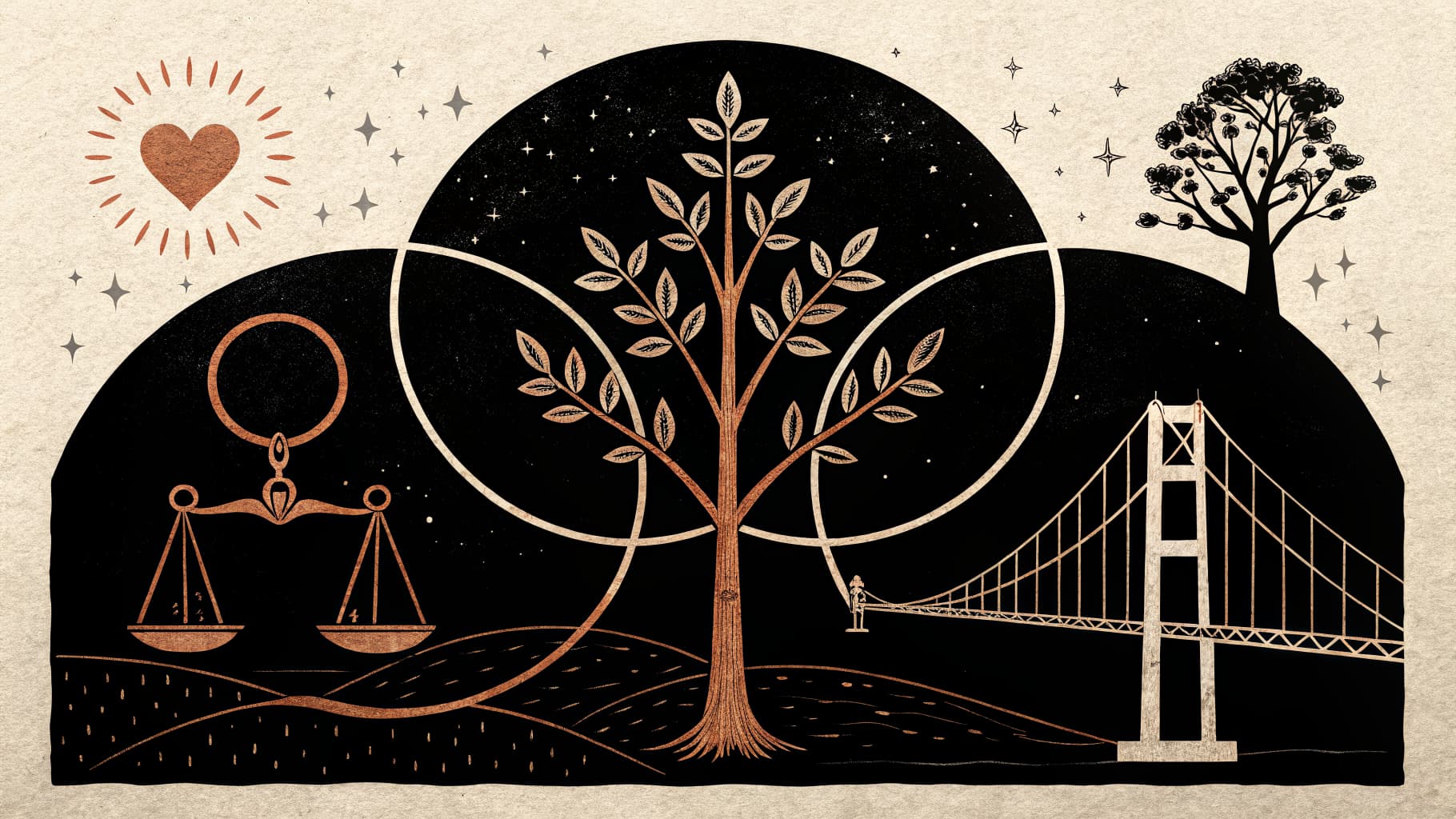
The Cost of Corruption
Investigating the economic, social, and political consequences of corruption.
TL;DR:Active learning works because corruption is an abstract concept that students must connect to their lived experiences. When they role-play decisions or map consequences, they see how dishonesty in public office affects real people and places they know, not just distant governments.
About This Topic
The Cost of Corruption examines how dishonest practices by public officials damage society on multiple levels. Students explore economic consequences, such as misallocated funds that delay infrastructure like roads and schools, stunting national growth. Socially, corruption breeds inequality, as resources favor the connected few, while politically, it erodes public trust in government, risking instability and poor governance. Key questions guide students to explain these links, analyze integrity's role in public office, and predict long-term effects on Singapore's stability.
In MOE's CCE framework under Integrity and Honesty, this topic builds ethical decision-making and civic awareness. Students connect personal honesty to collective well-being, using relatable scenarios like a town clerk pocketing repair money, leaving playgrounds unsafe. This fosters empathy and responsibility, preparing pupils for active citizenship.
Active learning benefits this topic greatly, as role-plays and group analyses turn complex consequences into personal stories. When students simulate corrupt choices and trace outcomes, they internalize impacts, debate solutions, and commit to integrity, making lessons engaging and memorable.
Key Questions
- Explain how corruption undermines public trust and economic development.
- Analyze the social consequences of a lack of integrity in public office.
- Predict the long-term impact of widespread corruption on a nation's stability.
Learning Objectives
- Analyze how corruption diverts public funds from essential services like healthcare and education.
- Explain the link between a lack of integrity in public office and the erosion of citizen trust.
- Evaluate the social consequences of corruption, such as increased inequality and reduced access to opportunities.
- Predict the long-term impact of widespread corruption on a nation's economic stability and political stability.
Before You Start
Why: Students need to grasp the concept of established guidelines and their purpose before understanding how breaking them (corruption) causes harm.
Why: Understanding fairness helps students recognize how corruption creates unequal access to resources and opportunities.
Key Vocabulary
| Corruption | Dishonest or fraudulent conduct by those in power, typically involving bribery or misuse of public funds. |
| Public Trust | The confidence citizens have in their government and public institutions to act fairly and in their best interest. |
| Integrity | The quality of being honest and having strong moral principles; moral uprightness. |
| Economic Development | The process by which a nation improves the economic, political, and social well-being of its people. |
| Misallocation of Funds | The improper or inefficient use of money, often by diverting it from intended purposes. |
Watch Out for These Misconceptions
Common MisconceptionCorruption only hurts the government, not everyday people.
What to Teach Instead
It raises costs for all through wasted taxes and poor services like delayed public transport. Group discussions of personal scenarios, such as unpaved roads affecting school commutes, help students see widespread harm and build empathy.
Common MisconceptionSmall bribes are okay if they get things done faster.
What to Teach Instead
They erode trust and normalize dishonesty, leading to bigger problems. Role-plays showing escalation from small favors to major scandals clarify this, as peers challenge assumptions and explore integrity's value.
Common MisconceptionSingapore is immune to corruption's effects.
What to Teach Instead
Even low-level issues can weaken progress. Analyzing local examples in debates reveals vulnerabilities, prompting students to value vigilance and report wrongdoing.
Active Learning Ideas
See all activities→Simulation Game
Role-Play: Public Official Dilemma
Assign roles: official, citizens, and inspector. Groups act out a scenario where the official faces a bribe offer for a contract. After the skit, discuss economic, social, and political costs. Groups present findings to class.
Simulation Game
Consequence Mapping: Chain Reaction
Provide a corruption scenario card, like stolen school funds. In pairs, students draw a flowchart showing immediate and ripple effects across economy, society, and politics. Share maps and predict long-term national impacts.
Simulation Game
Debate Circles: Integrity Pays
Divide class into teams to debate: 'Small corrupt acts have no real harm' vs. 'Every act undermines society.' Use evidence from readings. Rotate speakers and vote on strongest arguments.
Real-World Connections
- Imagine a town clerk who takes money meant for repairing a local park. This corruption means the park remains unsafe, affecting children's play and community well-being, a direct consequence of dishonesty.
- Consider how bribes might influence the awarding of contracts for building new roads or schools. If contracts go to less qualified companies due to corruption, the infrastructure may be poorly built, delaying progress and wasting taxpayer money.
Assessment Ideas
Pose this question to small groups: 'If a government official accepts a bribe to approve a project that harms the environment, what are three different consequences for the citizens?' Have groups share their top consequence and explain why they chose it.
Provide students with a scenario: 'A company owner gives a city planner a gift to get a permit faster.' Ask them to write one sentence explaining how this might affect public trust and one sentence explaining a possible economic impact.
Present students with a list of actions. Ask them to circle the actions that represent corruption and underline the actions that demonstrate integrity. For example: 'Accepting a bribe,' 'Reporting a crime,' 'Using public resources for personal gain.'
Frequently Asked Questions
What are the economic costs of corruption for Primary 4 students?
How does corruption affect social trust in society?
How can active learning help teach the cost of corruption?
What long-term impacts does corruption have on a nation?
More in Justice and Ethics
Distributive Justice
Discussing how resources like healthcare and education should be shared in a fair society.
8 methodologies
Fairness in Resource Allocation
Exploring different principles of fairness (e.g., equality, equity, need) in distributing resources.
8 methodologies
Social Safety Nets and Welfare
Understanding government programs designed to support vulnerable members of society.
8 methodologies
Ethical Leadership
Evaluating the qualities and responsibilities of those who hold positions of power.
8 methodologies
Qualities of a Good Leader
Identifying and discussing characteristics like integrity, empathy, and courage in leadership.
8 methodologies
Accountability and Transparency in Leadership
Examining how leaders are held responsible for their actions and the importance of openness.
8 methodologies