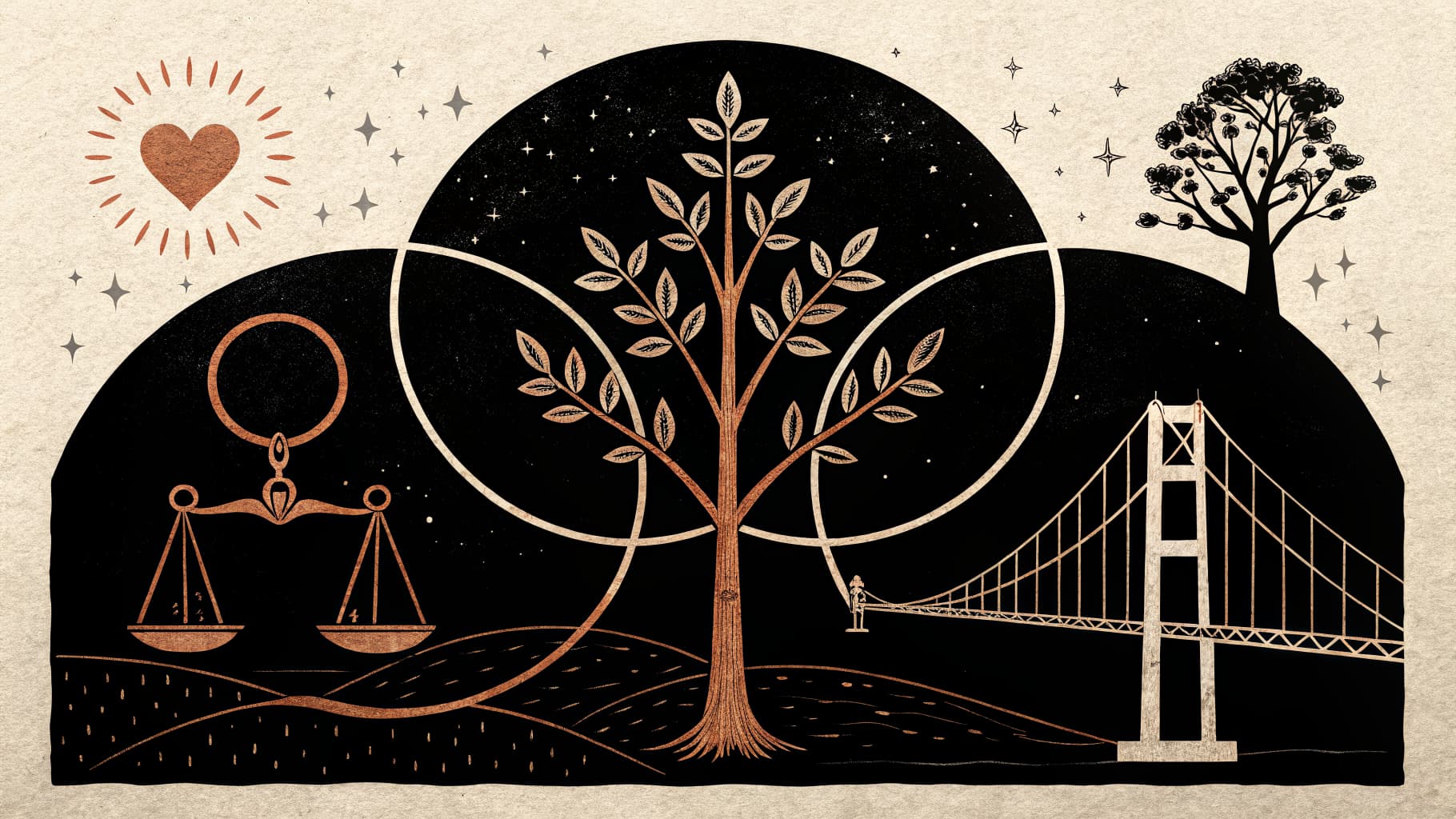
Promoting Integrity and Whistleblowing
Discussing strategies to uphold honesty and the role of individuals in reporting wrongdoing.
TL;DR:Active learning helps students internalize abstract concepts like integrity and whistleblowing by giving them real situations to analyze and act on. When students take on roles or discuss dilemmas together, they move beyond memorizing definitions to seeing how these ideas shape trust and fairness in their own lives.
About This Topic
Promoting integrity means choosing honesty in actions and decisions, regardless of consequences or observers. Whistleblowing involves reporting wrongdoing, such as cheating or unfair treatment, to authorities or trusted adults. In Primary 4 CCE under Justice and Ethics, students discuss strategies to build integrity in public settings like schools through assemblies and rules, and in private like families via open talks. They justify whistleblowing's role in exposing corruption and evaluate dilemmas, such as loyalty to friends versus right action.
This topic supports MOE's Integrity and Honesty standards by developing ethical reasoning and citizenship skills. Students differentiate sector-specific strategies: public uses campaigns and codes, private relies on personal modeling. Key questions prompt justification of whistleblowing's impact and balanced evaluation of personal risks, fostering responsible choices.
Active learning benefits this topic through role-plays and group scenarios. Students practice real-time decisions, articulate reasons, and receive peer feedback, turning ethical concepts into practical skills they internalize for everyday use.
Key Questions
- Differentiate between various strategies for promoting integrity in public and private sectors.
- Justify the importance of whistleblowing in uncovering corruption.
- Evaluate the ethical dilemmas faced by individuals who report wrongdoing.
Learning Objectives
- Compare strategies for promoting integrity in public and private sectors.
- Justify the importance of whistleblowing in uncovering corruption.
- Evaluate the ethical dilemmas faced by individuals who report wrongdoing.
- Analyze the potential consequences of reporting or not reporting unethical behavior.
Before You Start
Why: Students need to understand the concept of rules and why they exist to grasp the idea of breaking rules and the need for reporting.
Why: Understanding fairness and how actions affect others is foundational to discussing ethical dilemmas and the impact of dishonesty.
Key Vocabulary
| Integrity | The quality of being honest and having strong moral principles. It means doing the right thing even when no one is watching. |
| Whistleblowing | The act of reporting wrongdoing or unethical behavior within an organization to someone in authority or to the public. |
| Corruption | Dishonest or fraudulent conduct by those in power, typically involving bribery or misuse of public funds. |
| Ethical Dilemma | A situation where a person must choose between two or more conflicting moral principles, often with no clear right answer. |
Watch Out for These Misconceptions
Common MisconceptionWhistleblowing is the same as tattling on friends.
What to Teach Instead
Whistleblowing targets serious wrongdoing to protect the group, unlike petty tattling. Role-plays help students distinguish by acting out impacts, building empathy and clear criteria through peer discussions.
Common MisconceptionIntegrity only matters personally, not in groups.
What to Teach Instead
Integrity shapes group trust and fairness in schools or families. Sorting activities reveal collective strategies, as students collaborate to see how individual actions affect shared rules.
Common MisconceptionReporting wrongdoing always leads to personal trouble.
What to Teach Instead
Protected channels exist, and integrity brings long-term respect. Debates let students explore outcomes, weighing risks with support systems to reframe fears positively.
Active Learning Ideas
See all activities→Hot Seat
Role-Play: Ethical Dilemmas
Present three scenarios of potential wrongdoing, like a friend copying homework. Groups assign roles: whistleblower, wrongdoer, bystander. Perform skits, then discuss choices and outcomes. Debrief as a class on integrity strategies.
Hot Seat
Strategy Sort: Public vs Private
Provide cards with integrity actions, such as 'school pledge' or 'family honesty pact'. Pairs sort into public or private sectors, justify placements, and create one new strategy per category. Share with class.
Hot Seat
Whistleblower Debate: Weighing Risks
Divide class into teams to debate: 'Whistleblowing is worth the risk.' Each side prepares two points with examples. Vote and reflect on ethical balances post-debate.
Real-World Connections
- In Singapore, the Corrupt Practices Investigation Bureau (CPIB) investigates and prevents corruption, relying on information from the public to uncover cases.
- A student might witness cheating during a school exam. Deciding whether to report it involves weighing loyalty to a friend against the school's rules and fairness to other students.
- Companies often have an 'ethics hotline' where employees can anonymously report concerns about fraud or misconduct, demonstrating a structured approach to integrity in the private sector.
Assessment Ideas
Present students with a scenario: 'Your best friend is taking supplies from the school art room without permission. What are your options? Discuss the pros and cons of each option, and what you think is the most ethical choice and why.'
Ask students to write down two ways they can show integrity at school and one reason why whistleblowing is important for a community. Collect these to gauge understanding of core concepts.
Show two short case studies, one for a public sector (e.g., a government official taking a bribe) and one for a private sector (e.g., a shopkeeper shortchanging customers). Ask students to identify the wrongdoing and suggest one strategy to promote integrity in each case.
Frequently Asked Questions
How to teach whistleblowing to Primary 4 students?
What strategies promote integrity in schools?
Why is active learning key for integrity lessons?
What ethical dilemmas arise in whistleblowing?
More in Justice and Ethics
Distributive Justice
Discussing how resources like healthcare and education should be shared in a fair society.
8 methodologies
Fairness in Resource Allocation
Exploring different principles of fairness (e.g., equality, equity, need) in distributing resources.
8 methodologies
Social Safety Nets and Welfare
Understanding government programs designed to support vulnerable members of society.
8 methodologies
Ethical Leadership
Evaluating the qualities and responsibilities of those who hold positions of power.
8 methodologies
Qualities of a Good Leader
Identifying and discussing characteristics like integrity, empathy, and courage in leadership.
8 methodologies
Accountability and Transparency in Leadership
Examining how leaders are held responsible for their actions and the importance of openness.
8 methodologies