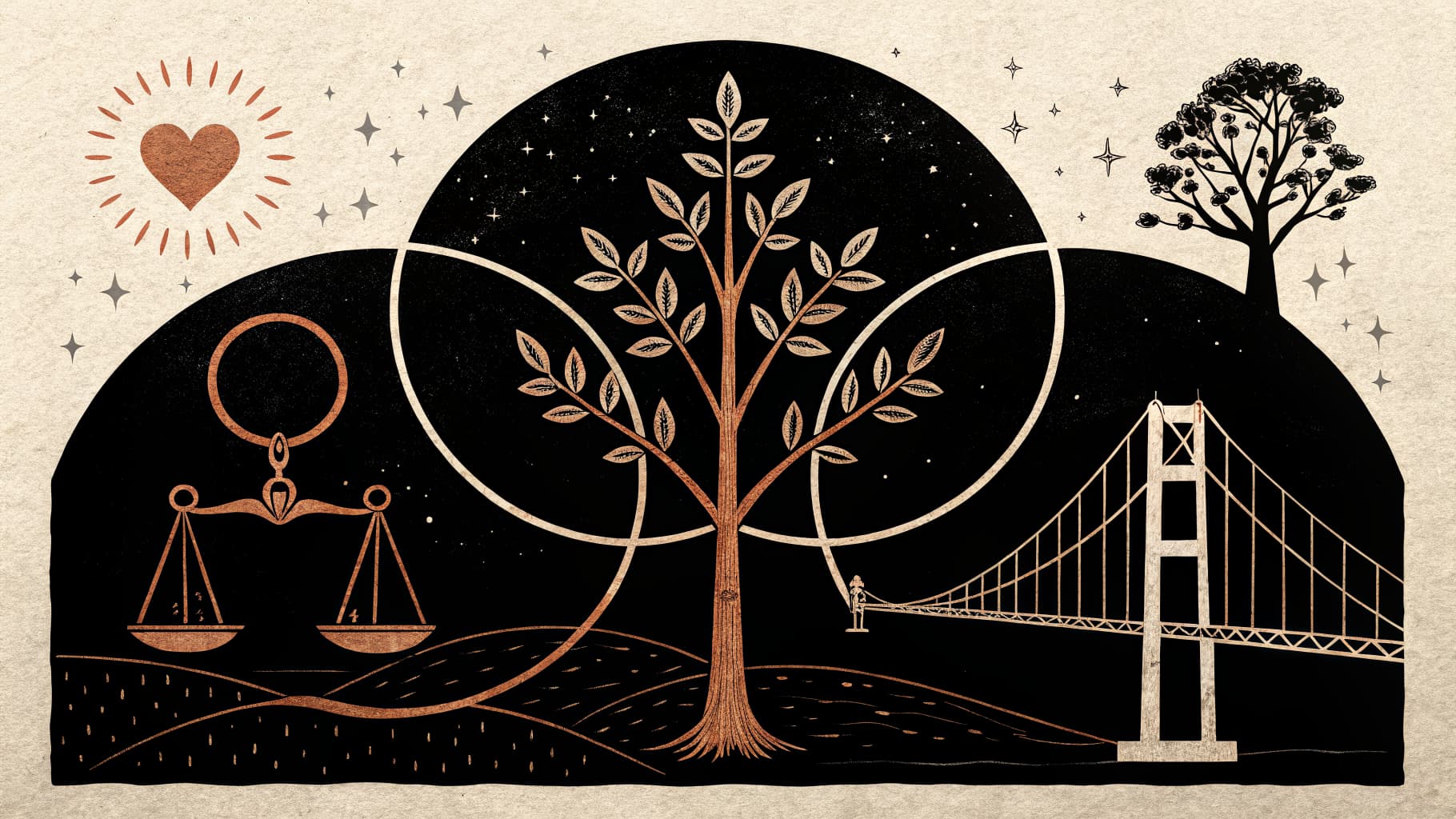
Protecting Rights through Laws
Students investigate specific examples of how laws protect fundamental rights, such as safety and privacy.
TL;DR:Active learning helps young students grasp that laws are not fixed rules but tools designed by people to solve problems. When children participate in hands-on activities, they see firsthand how laws can change to meet new needs, making the concept concrete and memorable.
About This Topic
Societies are not static, and neither are their laws. This topic teaches Primary 3 students that laws can and should change as our needs, technology, and values evolve. It introduces the idea that laws are tools created by people to solve problems. When a law no longer serves the community or becomes unfair, there is a process to improve it. This helps students to see themselves as future contributors to the legal landscape.
In the Singapore context, this might involve looking at how environmental laws have changed as we became more aware of climate change. It encourages students to think critically about the rules around them. This topic benefits from hands-on, student-centered approaches where students identify 'outdated' classroom rules and propose better alternatives through a mock legislative process.
Key Questions
- How does a rule like 'no bullying' help keep students safe at school?
- Explain how a law that requires wearing a seatbelt protects people.
- What might happen if there was no rule against hurting others?
Learning Objectives
- Explain how specific laws, such as those requiring seatbelt use or prohibiting bullying, protect fundamental rights like safety.
- Analyze the purpose of laws in maintaining order and protecting citizens' rights within a community.
- Compare the effectiveness of classroom rules versus national laws in addressing specific societal issues.
- Identify potential consequences of the absence of laws designed to protect individual rights.
Before You Start
Why: Students need to understand the concept of rules and their purpose in creating an orderly and safe environment before learning about formal laws.
Why: The concept of rights is closely linked to fairness, and students should have a basic understanding of what is fair and unfair.
Key Vocabulary
| Law | A rule made by a government that people must follow. Laws are created to protect people and ensure fairness. |
| Right | Something that all people are entitled to, such as the right to be safe or the right to privacy. Laws help protect these entitlements. |
| Safety | The condition of being protected from harm or danger. Laws often exist to ensure people are safe in their homes, schools, and public spaces. |
| Privacy | The state of being free from public attention or intrusion. Laws can protect personal information and private spaces. |
| Consequence | The result or effect of an action or condition. Understanding consequences helps us see why rules and laws are important. |
Watch Out for These Misconceptions
Common MisconceptionLaws are permanent and can never be changed.
What to Teach Instead
Explain that Parliament meets regularly to update laws. Showing examples of recently updated laws, like those regarding plastic bag charges, helps students see the law as a living document.
Common MisconceptionIf I don't like a law, I can just ignore it.
What to Teach Instead
It is important to distinguish between 'disagreeing with a law' and 'changing a law.' Teachers should emphasize that we follow current laws while working through proper channels to change them.
Active Learning Ideas
See all activities→Inquiry Circle
Laws Through Time
Students look at old photos of Singapore (e.g., when there were no seatbelt laws) and compare them to today. They discuss in groups why the change was necessary for safety.
Think-Pair-Share
Mock Parliament: The New Rule Proposal
The class identifies a school rule they think should change. They work in groups to draft a 'New Rule' and present their reasons to the 'Speaker of the House' (the teacher) for a class vote.
Think-Pair-Share
Technology and Rules
Pairs discuss how the invention of personal mobility devices (PMDs) or drones required new rules that didn't exist when their parents were young. They share one 'future rule' they think might be needed.
Real-World Connections
- The Land Transport Authority (LTA) in Singapore enforces laws requiring seatbelt use in vehicles. This protects drivers and passengers from serious injury during accidents, similar to how a classroom rule against running in corridors protects students.
- The Ministry of Health (MOH) establishes guidelines and laws related to public health, such as ensuring food sold in hawker centres is safe to eat. This protects the right to health for all citizens.
- Police officers work to enforce laws that protect citizens from harm, like laws against theft or assault. They investigate incidents and ensure that those who break laws face consequences.
Assessment Ideas
Provide students with a scenario, e.g., 'A student is being teased online.' Ask them to write one sentence explaining which right is being violated and one sentence explaining how a law could help protect that right.
Pose the question: 'Imagine our school had no rule against taking other people's belongings. What might happen?' Facilitate a class discussion, guiding students to identify the negative consequences and the need for rules and laws.
Show images depicting different scenarios (e.g., someone wearing a seatbelt, a person's private message being read, a playground with no supervision). Ask students to give a thumbs up if a law is protecting a right in the image, and a thumbs down if a right is at risk.
Frequently Asked Questions
How do laws actually change in Singapore?
Can children help change rules or laws?
What are the best hands-on strategies for teaching rule changes?
Why do we need to change laws if they were already good?
More in Rules, Laws, and Our Shared Life
Why Rules and Laws are Essential
An exploration of the transition from school rules to national laws and their role in protecting individual rights.
8 methodologies
From School Rules to National Laws
Students compare the purpose and enforcement of rules in a school setting to the broader context of national laws.
8 methodologies
Understanding the Rule of Law
Understanding the principle that laws apply equally to everyone, including leaders and the government.
8 methodologies
Fairness in Law Application
Students explore scenarios to understand what it means for laws to be applied fairly and impartially.
8 methodologies
Laws and Power Dynamics
Students investigate how laws can protect individuals or groups with less power in society.
8 methodologies
Why Laws Change
Investigating how laws evolve over time to meet the changing needs and values of a society.
8 methodologies