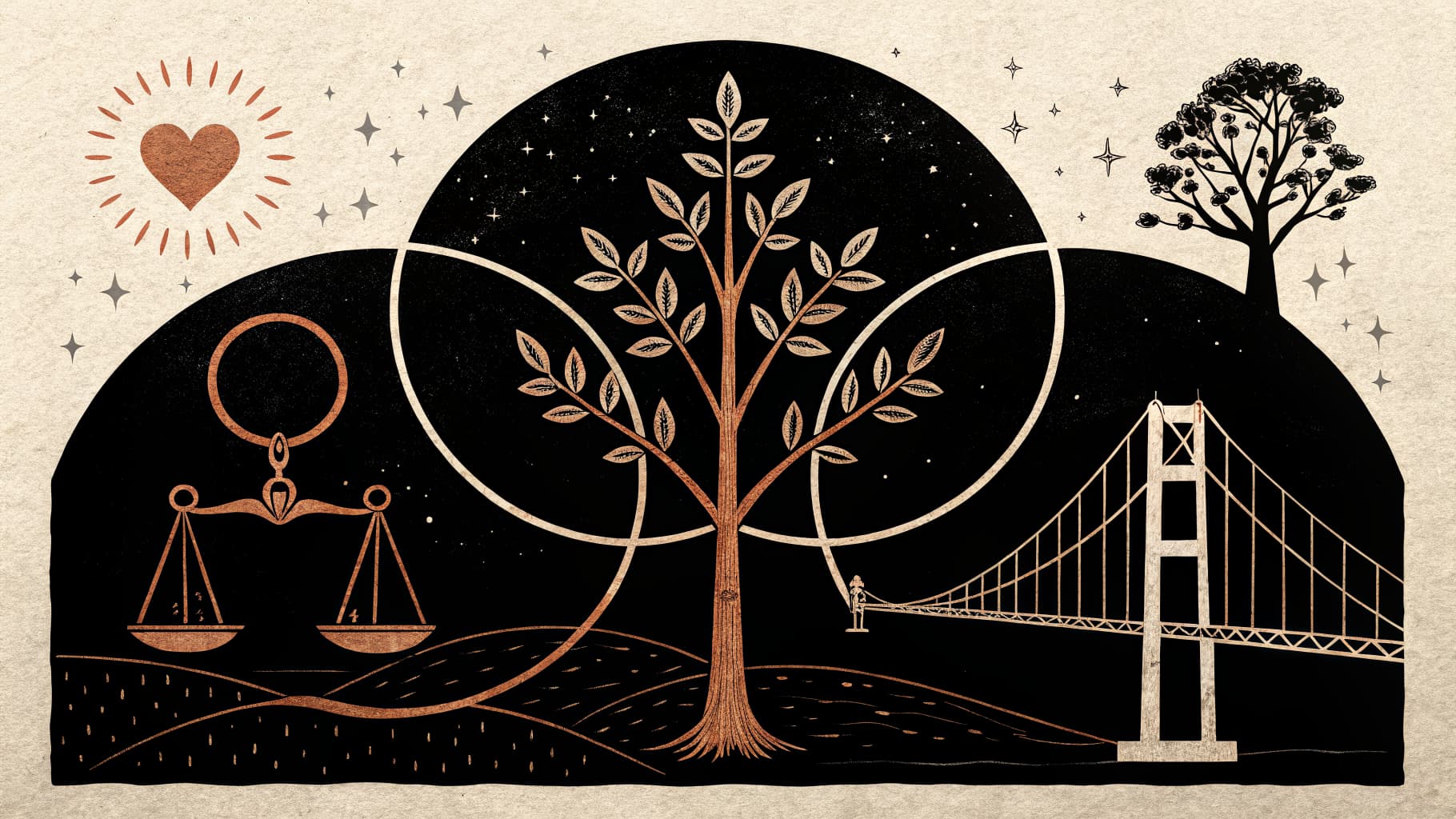
My Journey as an Active Citizen
Students create a personal reflection on their learning journey and commit to future civic engagement.
TL;DR:Active learning works especially well for this topic because students need to connect abstract ideas about citizenship to their own experiences. By moving, talking, and writing about their beliefs and actions, they build ownership of their role in the community.
About This Topic
This activity asks Primary 3 students to reflect on their journey as active citizens. They identify one strong belief that motivates community help, explain a key lesson about good community membership to apply next year, and write a simple personal promise for ongoing support in school or neighborhood. These steps build on the unit's focus on taking action, aligning with MOE standards for Civic Participation and Citizenship at P3.
Reflections foster self-awareness and responsibility, key traits for young citizens in Singapore's context. Students connect personal values to real-world actions, such as recycling drives or helping peers, which strengthens empathy and commitment. This process prepares them for deeper civic roles, emphasizing that citizenship involves daily choices.
Active learning shines here through sharing reflections in pairs or groups. Students gain feedback, refine ideas, and see diverse perspectives, turning individual thoughts into collective motivation. Hands-on elements like drawing promises or posting on a class wall make abstract commitments concrete and inspiring.
Key Questions
- What is one thing you believe in strongly that made you want to help your community?
- Explain one thing you have learned about being a good community member that you will use next year too.
- Write a simple promise to yourself about one way you will keep helping others in your school or neighborhood.
Learning Objectives
- Identify personal values that motivate community involvement.
- Explain one learned behavior for effective community membership.
- Create a personal commitment statement for future civic action.
- Analyze the connection between personal beliefs and community service.
Before You Start
Why: Students need to understand the roles of various people who help society to appreciate the concept of contributing to the community.
Why: Recognizing community needs is a foundational step before students can commit to taking action to address them.
Key Vocabulary
| Civic Participation | Taking part in the activities of your community or country to help make it a better place. |
| Community Member | A person who lives in or belongs to a particular place or group, and contributes to its well-being. |
| Active Citizen | Someone who actively contributes to their community and society, showing care and responsibility. |
| Commitment | A promise or pledge to do something, showing dedication to a cause or action. |
Watch Out for These Misconceptions
Common MisconceptionActive citizenship requires big actions like raising funds.
What to Teach Instead
Small, everyday acts like picking up litter or helping classmates count equally. Role-plays and sharing stations let students explore and value these actions, shifting focus from scale to consistency through peer examples.
Common MisconceptionOne child's efforts make no real difference.
What to Teach Instead
Individual actions inspire others and accumulate impact. Group pledge walls show collective power, while pair discussions reveal chain reactions from personal stories, building belief in personal agency.
Common MisconceptionCitizenship means only obeying rules.
What to Teach Instead
It includes proactive help and initiative. Reflections paired with real examples from class projects clarify this, as students discuss and compare passive versus active roles.
Active Learning Ideas
See all activities→Think-Pair-Share
Strong Beliefs
Students spend 5 minutes jotting one belief that drives community help. In pairs, they share and ask clarifying questions. Pairs then report one example to the class, noting similarities. This builds confidence in articulating values.
Think-Pair-Share
Journal Station: Lessons Rotation
Set up stations with prompts on lessons learned. Students rotate every 7 minutes, writing responses in journals. At the end, they select one lesson to share aloud. Provide sentence starters for support.
Think-Pair-Share
Pledge Wall: Personal Promises
Students write or draw their promise on sticky notes. They post on a class wall and read two others aloud. Discuss as a class how promises connect. Photograph the wall for portfolios.
Real-World Connections
- Volunteers at the neighbourhood park clean-up events, like those organized by the People's Association, demonstrate active citizenship by dedicating their time to improve shared spaces.
- Students participating in school recycling drives, inspired by national campaigns like the Singapore Green Plan, learn to contribute to environmental care through collective action.
- Local community leaders, such as grassroots advisors, often engage with residents to identify needs and organize initiatives, showing how active citizens can foster positive change.
Assessment Ideas
Students will complete a 'Commitment Card'. On one side, they write one belief they hold strongly. On the other side, they write a simple promise to themselves about how they will help others in their school or neighborhood next year.
Teacher asks: 'Think about our unit on active citizens. What is one specific thing you learned about being a good community member that you will definitely try to do more of next year? Why is that important?'
Teacher displays a prompt: 'My Beliefs Inspire Action'. Students draw a simple symbol or write one sentence representing a belief that makes them want to help others. This checks their ability to identify motivating values.
Frequently Asked Questions
How to help P3 students identify strong beliefs for community help?
What prompts work best for citizenship reflections?
How does active learning enhance reflection on active citizenship?
How to extend reflections beyond the lesson?
More in Taking Action: The Active Citizen
Community Needs Assessment
Researching local issues and determining where student action can make a difference.
8 methodologies
Stakeholder Mapping
Identifying key individuals, groups, and organizations that are affected by or can influence a community issue.
8 methodologies
Brainstorming Solutions
Generating creative and practical solutions to identified community needs, considering resources and feasibility.
8 methodologies
Crafting a Persuasive Message
Learning how to advocate for a cause and persuade others to join a movement for change.
8 methodologies
Choosing Advocacy Channels
Exploring different platforms and methods for communicating a message to the public and decision-makers.
8 methodologies
Responding to Feedback and Criticism
Developing strategies for handling disagreements and constructive criticism during an advocacy campaign.
8 methodologies