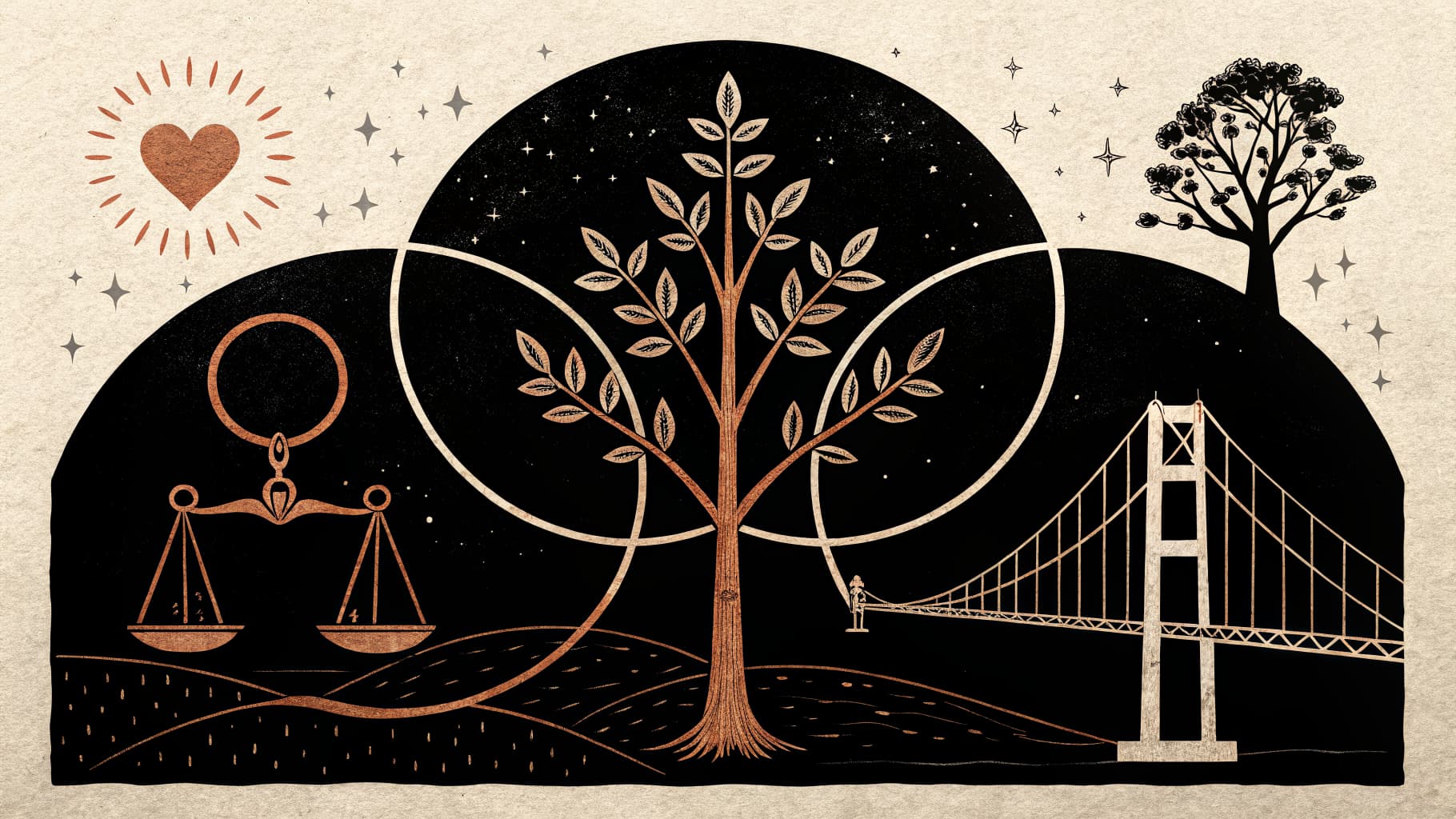
Understanding the Purpose of Rules
An investigation into why communities establish laws and the consequences of living without shared agreements.
TL;DR:Active learning works because young students grasp abstract concepts best through direct experience. When they act out scenarios and create rules together, they build personal understanding of why shared agreements matter. This hands-on approach turns the idea of 'rules protect us' from words on a page into lived moments they can feel and explain.
About This Topic
Understanding the Purpose of Rules guides Primary 1 students to see how shared agreements create safe, fair communities. They explore scenarios like a playground without rules, where pushing and grabbing lead to tears and fights. Students then link this to school rules, which the government helps establish to protect everyone and promote harmony.
This topic fits the Belonging to a Community unit and MOE standards for Citizenship and Community and Social Responsibility at Primary 1. Key questions prompt analysis of the government's role in school rules, evaluation of who decides essential community rules, and design of just policies for playground conflicts. These build skills in reasoning, collaboration, and empathy.
Active learning works well for this topic. Role-plays of rule-free chaos followed by group rule-making let students feel the difference rules make. Such hands-on experiences turn abstract ideas into personal insights, strengthening commitment to community standards.
Key Questions
- Analyze the government's role in establishing school rules.
- Evaluate who should determine the most crucial rules for a community.
- Design a just policy for resolving conflicts on the playground.
Learning Objectives
- Identify at least three reasons why rules are necessary in a community.
- Explain the consequences of not having rules in a given scenario.
- Compare and contrast a situation with rules to one without rules.
- Design a simple rule to promote fairness in a specific community setting.
Before You Start
Why: Students need to recognize emotions like sadness or anger to understand the negative consequences of rule-breaking.
Why: Understanding the concept of taking turns is a foundational social agreement that relates directly to the need for rules in shared spaces.
Key Vocabulary
| Rule | An instruction or guideline that tells people what they can or cannot do. Rules help keep things organized and safe. |
| Community | A group of people living or working together in the same place. This could be a classroom, a school, or a neighborhood. |
| Consequence | What happens as a result of an action or decision. Consequences can be positive or negative. |
| Fairness | Treating everyone in a way that is right and equal. Fairness means everyone gets a chance and is treated with respect. |
Watch Out for These Misconceptions
Common MisconceptionRules exist only to punish bad behavior.
What to Teach Instead
Rules mainly protect safety and fairness for all. Role-plays show positive outcomes like smooth play, helping students shift focus from punishment to benefits. Group discussions reinforce this balanced view.
Common MisconceptionAdults make all rules, and children have no say.
What to Teach Instead
Communities benefit when everyone contributes ideas. Collaborative rule-design activities let students propose and vote on rules, building ownership. This counters the idea and teaches democratic participation.
Common MisconceptionWithout rules, play is more fun and free.
What to Teach Instead
Chaos from no rules leads to hurt feelings and exclusion. Simulations reveal frustration quickly, and peer comparisons highlight how rules enable enjoyable, inclusive activities.
Active Learning Ideas
See all activities→Morning Circle
Role-Play: Playground Chaos vs Order
Divide class into small groups to act out playground play first without rules, noting conflicts that arise. Then introduce simple rules and replay, comparing outcomes. Groups share one key learning with the class.
Morning Circle
Rule Design Pairs: Playground Policy
In pairs, students brainstorm and draw three rules for fair playground turns and conflict resolution. Pairs present to class for voting on the best policy. Display winning rules as a class chart.
Morning Circle
Sorting Game: Rules and Consequences
Provide cards with actions like 'sharing toys' or 'taking turns' and outcomes like 'happy play' or 'fights.' Students sort into 'with rules' and 'without rules' piles in small groups, then justify choices.
Real-World Connections
- Traffic police officers create and enforce rules like speed limits and traffic light signals to ensure drivers and pedestrians can travel safely in cities like Singapore.
- Playground supervisors establish rules for using equipment, such as taking turns on the swings, to prevent accidents and ensure everyone has a chance to play.
Assessment Ideas
Show students a picture of a busy playground. Ask them to point to one thing that might happen if there were no rules and explain why. Then, ask them to suggest one rule that would make the playground safer.
Pose the question: 'Imagine our classroom had no rules for sharing toys. What might happen?' Allow students to share their ideas, guiding them to identify potential problems like arguments or toys breaking. Then ask, 'What is one rule we could make to share toys fairly?'
Give each student a slip of paper. Ask them to draw one picture showing a rule in action (e.g., lining up, sharing) and write one word describing why that rule is important (e.g., safe, kind, fair).
Frequently Asked Questions
How to teach Primary 1 students the purpose of rules in CCE?
What activities help Primary 1 understand rules in communities?
How does active learning benefit teaching rules purpose?
What is the government's role in Singapore school rules for Primary 1?
More in Belonging to a Community
Exploring Rights and Responsibilities
Understanding the reciprocal nature of being a member of a group and the duties students owe to one another.
8 methodologies
Making Voices Heard in the Classroom
Introducing the concept of representation and how individual opinions contribute to collective decisions.
8 methodologies
Family as the First Community
Students explore their roles and responsibilities within their families and how families contribute to society.
8 methodologies
School as a Learning Community
Understanding the school environment as a community with shared goals, rules, and diverse members.
8 methodologies
Resolving Conflicts Peacefully
Learning basic strategies for resolving disagreements with peers and family members constructively.
8 methodologies
The Importance of Teamwork
Exploring how working together in groups helps achieve common goals in school and beyond.
8 methodologies